Impact of the knowledge economy on auditing and policy responses
This paper provides an in-depth analysis of the impact of the knowledge economy on auditing and its response from the point of view of theoretical elements such as audit content, auditing standards and audit techniques。
Keyword
Knowledge economy; network audits; policy responses
In recent years, the concept of the “knowledge economy” has begun to gain ground with the use and development of the internet, and the knowledge economy will have a profound impact not only on the development of accounting information, but also on traditional audit models, whose objectives, content, clues and technical tools are undergoing dramatic changes, and how to adapt to this change is an important issue currently facing the auditing field。
I. The challenges of the knowledge economy for auditing
(i) impact of the knowledge economy on the audit trail
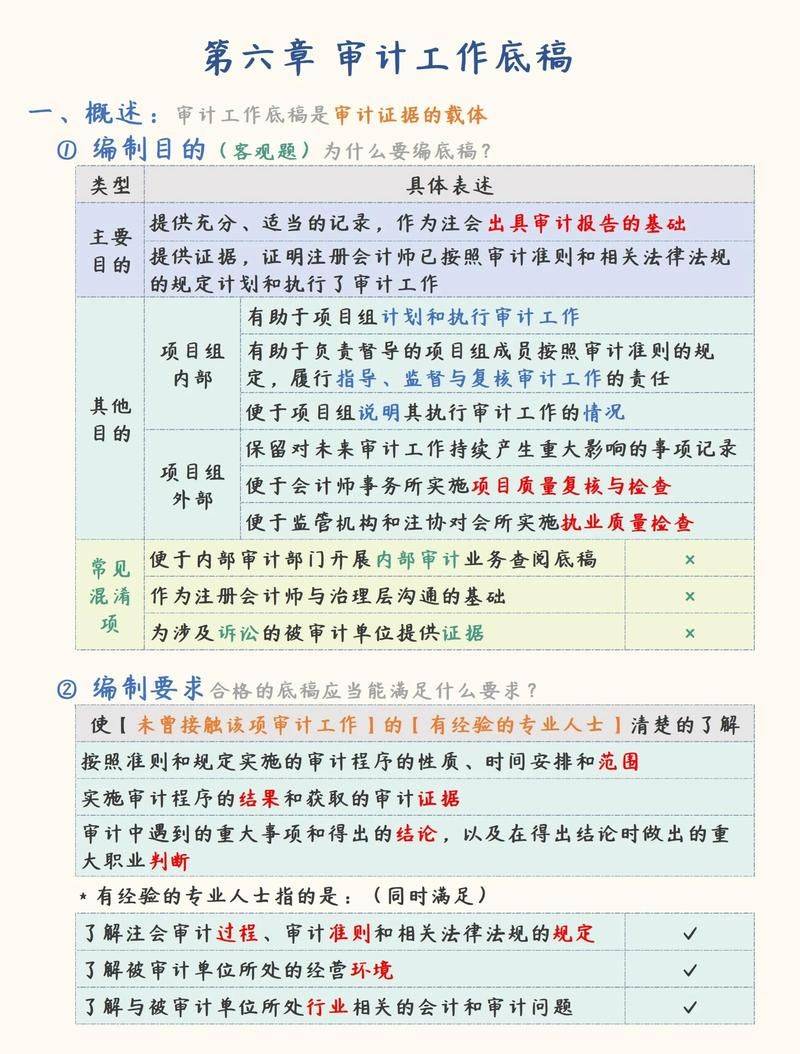
The audit trail is critical to the audit. In the traditional manual accounting system, the auditing process is essentially one of continuous collection, validation and consolidation of audit evidence through the audit trail tracking of paper-based original vouchers, billing vouchers, books, statements and the like. In the course of traditional business operations, each transaction has a complete audit trail, each part of the transaction is documented and signed by the operator, and the audit trail is clear. The auditors can track transactions from the original documents up to the statements; they can also start from the statements and find the source, going back to the original documents, thus creating audit methods such as check-in, reverse check, etc. However, after e-commerce had been achieved, traditional documents had disappeared, paper media records had disappeared and were replaced by disks, tapes, cds, etc. Containing data-processing information, which were machine-readable and no longer directly identifiable by the naked eye. Moreover, when original documents enter the computer, the processing of intermediate transactions is done automatically by the computer, where traditional audit trails are interrupted and disappeared, and where traditional audit methods are no longer applicable. The physical invisibility of the audit trail, on the one hand, makes it more difficult for audit investigations to obtain evidence and, on the other hand, puts psychological pressure on auditors。
(ii) impact of the knowledge economy on audit content and scope
In the original audit, the scope of the audit was determined on the basis of different auditees and audit objectives, which generally appeared to be narrower and closed. In e-commerce activities, the enterprise accounting information system has become a wide and open system, and the processing of accounting information is in an open space covering all aspects of a transactional related party: at the same time, because of the shared nature of their resources, those who have access to accounting information, as well as those who have access to it, may be involved with the entire network of users and, of course, there are still restrictions on information relating to business secrets. Network users, especially those who use listed company information, may engage in malicious acts for different motives, making it more difficult to control online behaviour. As a result, those responsible for incorrect and illegal data cannot be limited to the unit under review, and both parties to the transaction and the relevant public will be covered by the audit. In summary, any audit operation in e-commerce activities is based on a web-based platform and is web-oriented. Thus, the development of the knowledge economy has led to significant changes in the scope of network audits。
(iii) impact of the knowledge economy on the quality of auditors
In the age of the knowledge economy, the collection, analysis, processing and transmission of information is done by computer and network technology. The processing environment of the computerized accounting information system is more complex than that of manual processing and, as a result, changes in audit trails, internal controls, audit content, audit methods and techniques have resulted in increased requirements for auditors. Auditors who do not understand computers will not be able to track audits because of changes in audit trails, will not be able to review and evaluate their internal controls because they do not understand the characteristics and risks of web-based audits, and will not be able to audit accounting information systems because they do not use computer and web-based systems. As a result, auditors must have knowledge and skills in computer auditing, which places higher demands on the quality of their operations。
(iv) impact of the knowledge economy on audit techniques
Audit is a socio-economic activity targeted at accounting information. In a web-based environment, the subject of audits has changed, and a large amount of evidence is stored in magnetic media. For these paperless information, it is objectively only required that modern information processing tools be used to speed up the processing of information and to facilitate the advancement of audit processing from manual to computerized. The stability, timeliness and reliability of computerized accounting systems in processing and providing accounting information necessarily make computers the primary tool and tool for auditing operations。
(v) impact of the knowledge economy on auditing standards
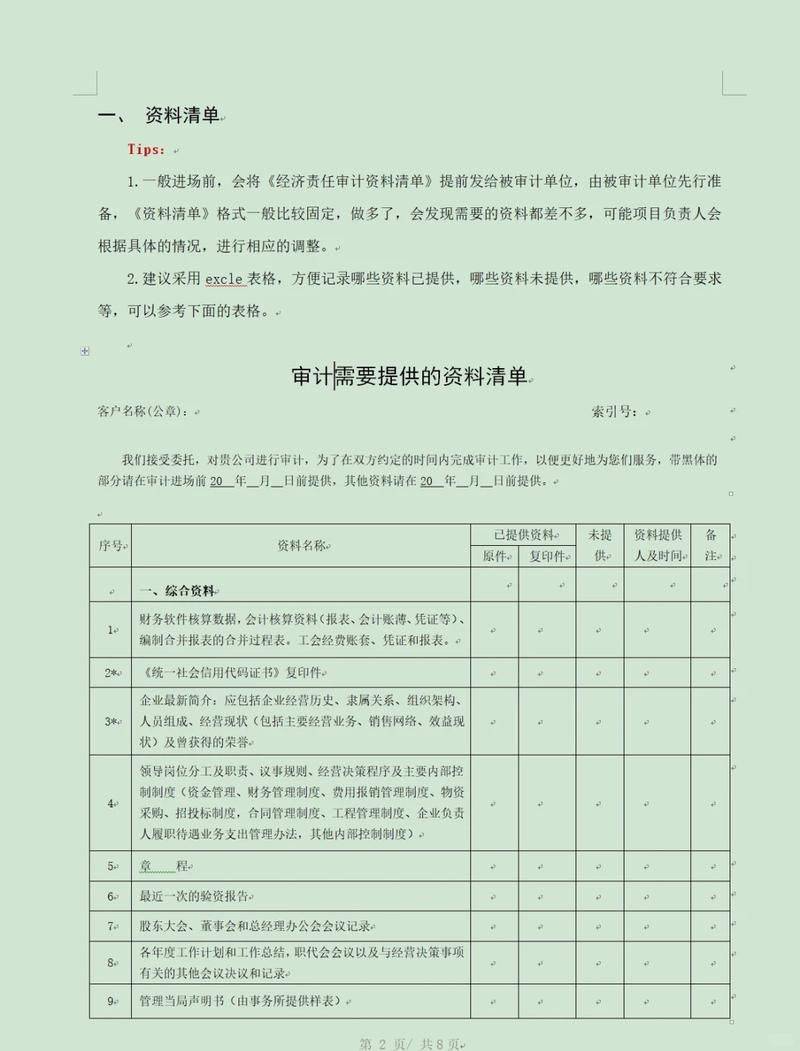
The development of computer applications in audits, in particular network audits, has led to changes in audit subjects, audit trails, audit methodologies, etc., so that a number of audit standards and standards previously created manually are not fully applicable to changing situations and new auditing standards and standards are needed to guide audit work and practice. Examples include general requirements for web-based auditors, prior audit standards for web-based audits, standards for the safe and reliable evaluation of systems for web-based audits, and internal control standards for web-based audit systems. For the time being, the united states, japan and the united kingdom have developed audit guidelines on computer auditing. In the context of the international standards on auditing, there are also specific provisions detailing the scope, objectives, procedures, techniques and methods of computer auditing. The chinese guidelines for the independent auditing of certified accountants also include computer-assisted auditing, but there are many gaps in the auditing standards in response to the growing development of computerized accounting information systems and the resulting new set of issues。
Ii. Audit responses in the context of the knowledge economy
In the face of the enormous impact of the knowledge economy, we should organize our efforts to study future audits, find responses and meet the challenges。
(i) magnetization of the storage of media during needles to address audit trail issues
In manual information systems, the processing of economic operations is recorded on paper media, which can be followed by auditors at the time of the audit. However, under the knowledge-based economy, and in particular the development of networks, the impact of audits has been greater, resulting in a change in the pattern of business processing and information recording, making it difficult for auditors to follow up on economic operations as they did on a manual basis. In order to audit computer accounting systems more effectively, attention should be paid to the following issues: (1) audit requirements must be made in the design and development of the system, otherwise the system will lose its reviewability ... If, at the time of design and development of the system, the various data files of the system are left with an audit trail, the printed accounting data file should be printable, in addition to which the accounting data file should be kept in auditable form: (2) the auditors can easily access the data files in the computer accounting information system of the audited units by making the necessary data conversions through software to enable them to be identified by the auditors and then regroup and process the various data for audit purposes; (3) audits can be carried out, for example, through the tracking software developed in the most recent research。
(ii) development of web audit guidelines and strengthening of web audit legislation
The auditing standards are the norm and the yardstick by which the audit is conducted and the authoritative rule for evaluating the quality of the audit work. The development of new auditing standards and standards should be expedited to guide the in-depth development of web audit practices, as all aspects of web audit clients, leads, methodologies, processes and results have changed relative to traditional audits, and previous audit standards and standards are no longer fully applicable。
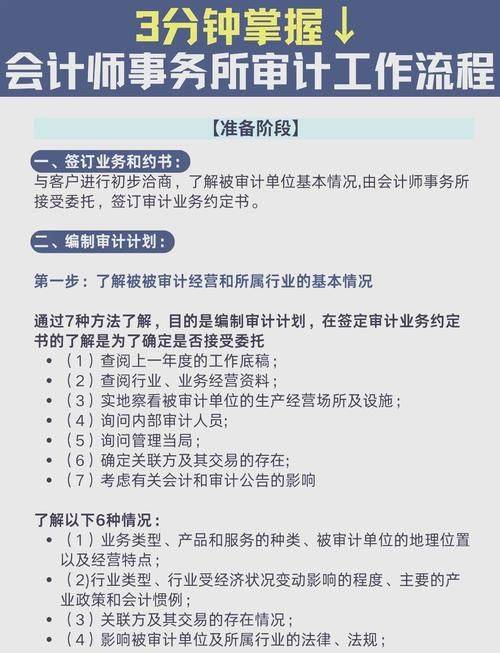
Cyber audit legislation is a key safeguard for the normal development of network audits. While our new accounting act has been added to the content of online finance, the drafting of the e-commerce law of the people's republic of china is under intensive process, neither of these regulations has been issued for network audits and does not meet the needs of our network audits. Therefore, there is a need to accelerate the level and pace of legislative work on web-based auditing, so that people can rely on the law when conducting web-based audits, particularly those on legality。
(iii) full utilization of computer-assisted audit techniques to reduce audit risk
As modern technology is applied in the network, auditors should, in the course of their audit implementation, select scientifically sound audit techniques based on the characteristics of the network's “immediate interaction”, make full use of audit software and other supporting auditing techniques, effectively conduct computer audits and reduce audit risks by: (1) using the audit code management software to conduct a comprehensive review of system legitimacy and compliance; (2) using the audit interface software to obtain adequate and appropriate audit evidence to reduce inherent audit risks; (3) using the audit software to sample and improve audit efficiency; and (4) using the robust computation, analysis, tabulation and editing functions of excel forms to develop audit workplans, prepare background reports and issue audit reports。
(iv) accelerate the development of a cadre of auditors to develop human resources with complex knowledge structures
In order to adapt to the age of the knowledge economy, departments should strengthen the continuous updating of the knowledge of auditors, who, in addition to the wealth of knowledge and skills in accounting, auditing and other areas, should also have some computer and network knowledge. To this end, industry management and audit departments should develop professional training systems and plans, such as computer-assisted auditing techniques, web technology, web accounting, etc., in cooperation with local training authorities or institutions of higher learning, in order to improve the web application and auditing capabilities of auditors。
(v) meeting challenges and expanding audit coverage
Under the knowledge-based economy, audit coverage should be improved and expanded in the following ways: (1) the sample of knowledge-based assets should be expanded ... As the weight of intangible assets, such as information on unit knowledge resources, increases, the targeted expansion of the sample of such assets is necessary to ensure audit quality and reduce audit risk: (2) the system-based audit should be strengthened to improve the performance of the audit ... All economic activities of the unit should operate effectively under a given internal control system. In addition to putting in place sound and efficient internal control systems, an enterprise should properly evaluate its internal control systems in conjunction with the characteristics of the knowledge economy and focus on obtaining the corresponding audit evidence; (3) give due weight to the audit of intangible assets. The knowledge economy has led to an increase in the share of knowledge-based information on some of the knowledge resources of enterprises and the growth of the intangible assets of enterprises, so that auditors should focus on and strengthen auditing in such areas as the value of intangible assets as to constitute returns: (4) gradual environmental auditing. Environmental issues are a major issue facing human society. Environmental degradation not only affects the continued development of the economy, but also directly threatens the health and survival of humanity and is of vital interest to everyone. An environmental audit to evaluate the enterprise's own development and its impact on the environment should therefore also be part of future audits。