Competing responsibility means that a breach of an obligation entails more than two legal liabilities. The fact that the perpetrator assumes different legal responsibilities leads to different responsibilities. In civil legal relations, violations may sometimes also have the effect of violations. For example, the electricity sector failed to supply electricity in accordance with safety standards, or defaulted to suspend it, causing physical damage to users and damage to property. Moreover, such as the supply of defective products by the direct seller to the buyer for personal or property damage。
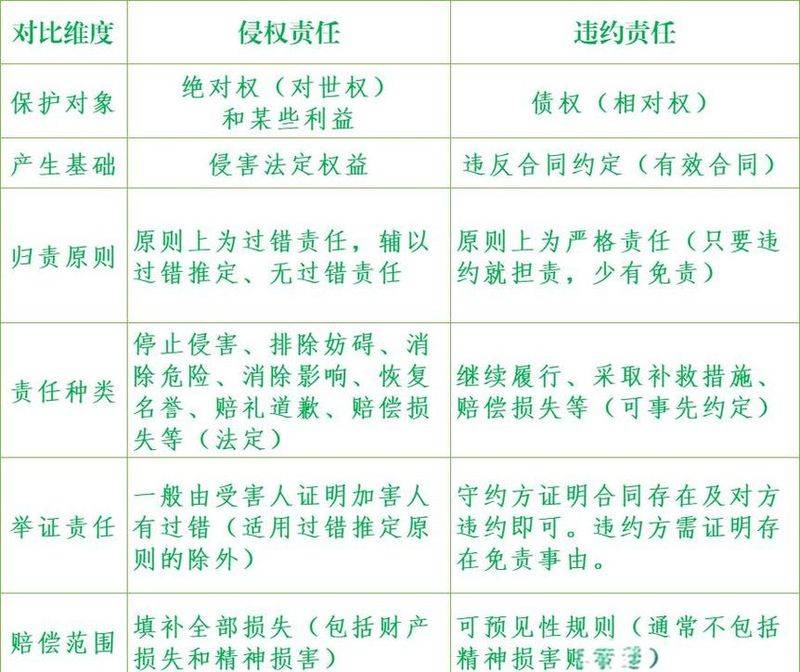
The different choice of responsibility for breach of contract and tort may have different legal consequences that directly affect the interests of the parties. The main difference between responsibility for breach of contract and responsibility for tort is that of the principle of attribution. The former primarily adopted the principle of responsibility without fault; the latter generally applied the principle of responsibility without fault and, in particular, the principle of responsibility without fault. Responsibility is different. The former is responsible as long as the breach is without harm; the latter is not liable without the fact of harm. 3. The scope of responsibility varies. The former were primarily liable for loss of property; the latter included, inter alia, personal injury and moral damages; and 4. Third-party liability was different. If the former were unable to perform because of a third party, the debtor should be held accountable first to the creditor and then recover from the third party; the latter was only responsible for its own fault. 5. The jurisdiction of the proceedings differs from that of the court of the place of residence of the defendant, the place of performance of the contract, or the court of the place where the contract was concluded, the place of residence of the plaintiff and the subject matter, by agreement, to that of the court of the place of residence of the defendant, to that of the tort。
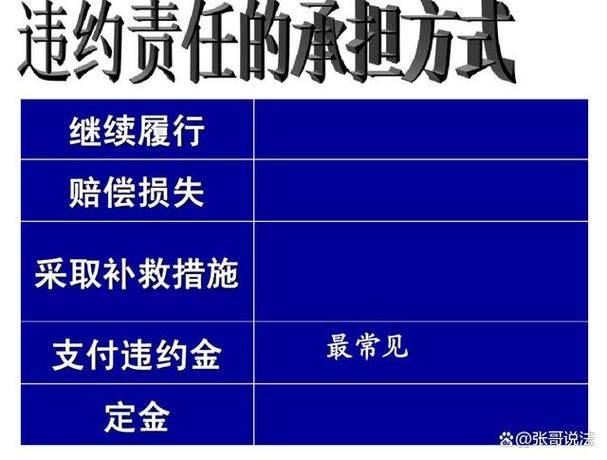
In the case of competing responsibilities, i. E., the injured party has the option of holding it liable for breach under contract law or for tort under other law if the other party's personal or property interests are affected by the breach. Contract law protects the legitimate rights and interests of the parties and gives them to the injured party where there is a dual right of petition, the choice is made in the manner most conducive to the protection of one's rights and interests. The breaching party, the aggrieved party, is held liable, and the people's courts are required by law to deal with the complaint。
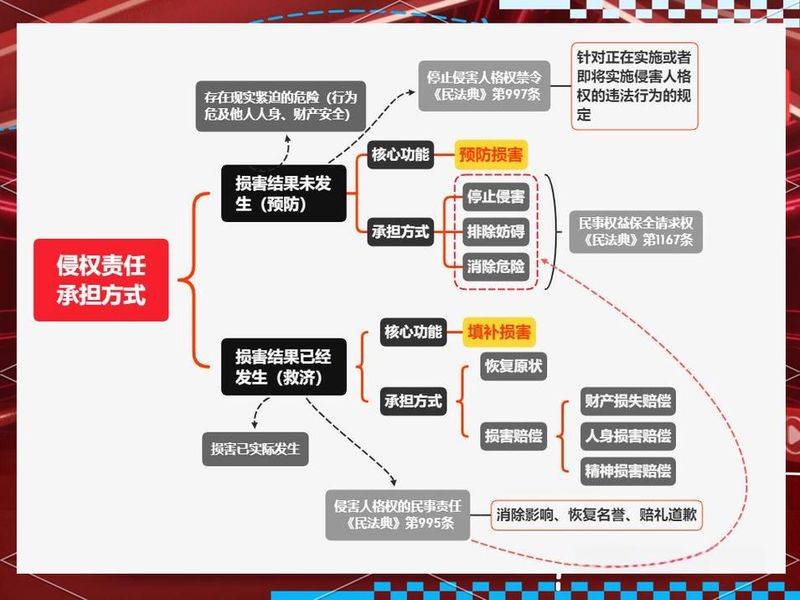
The following options are generally more favourable to the injured party: 1. In the event of a contractual relationship causing personal injury and moral damage, an option may be to pursue tort. 2. Any person who has caused loss of property only under the subject matter of the contract may be held liable for breach of contract。