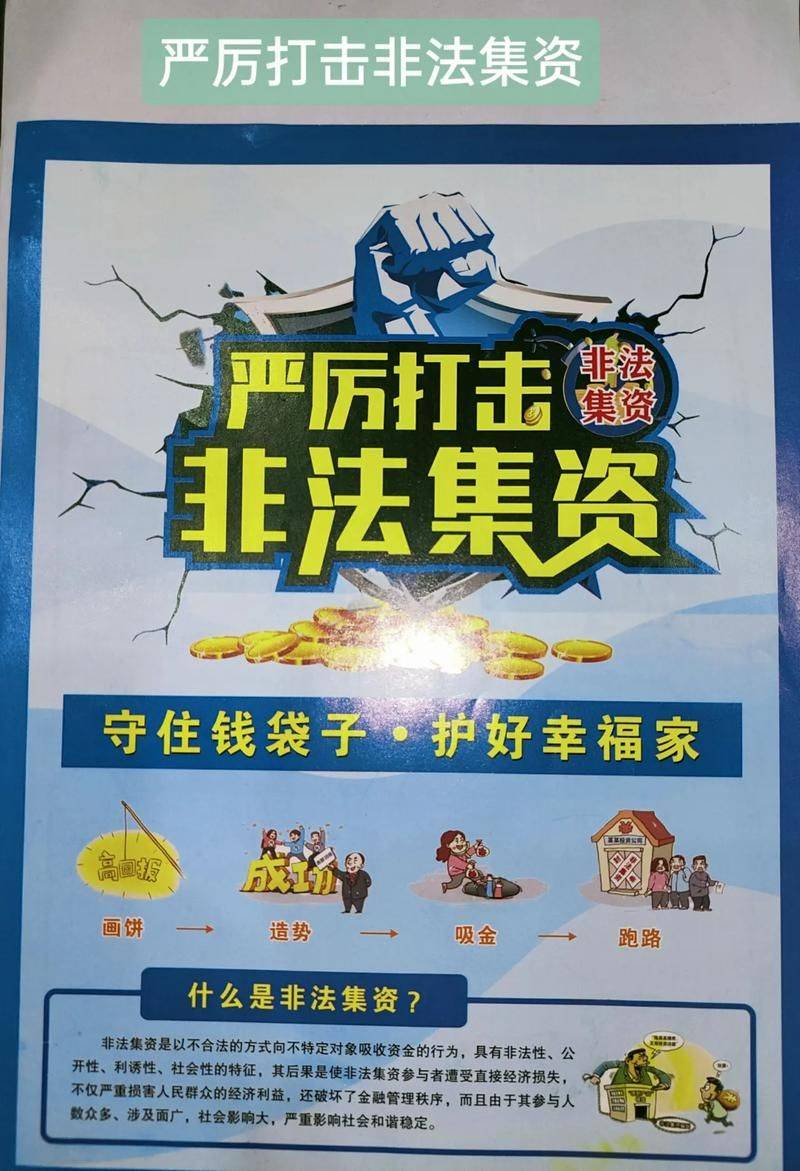
At present, in the context of the month of financial literacy, various financial literacy activities are being carried out in the banking and insurance sectors. On 11 september, the shandong insurance industry association sent a letter reminding consumers to guard their money bags against illegal fund-raising。
What is illegal fund-raising? According to the shandong provincial security union, the general illegal collection of funds is characterized by four major characteristics. One is the absorption of funds in the form of legal activities without the approval of the authorities concerned or on the basis of loans; the second is the public dissemination of information through the media, promotional boards, leaflets and text messages on mobile phones; the third is the commitment to repay or pay back interest in money, in kind, equity, etc. Within a certain period of time; and the fourth is the absorption of funds from the public at large, i. E. From a non-specific audience in society. Currently, private investment intermediaries, p2p network lending, farmers ' cooperatives, real estate, private fund-raising, etc. Are the most affected areas of illicit financing。
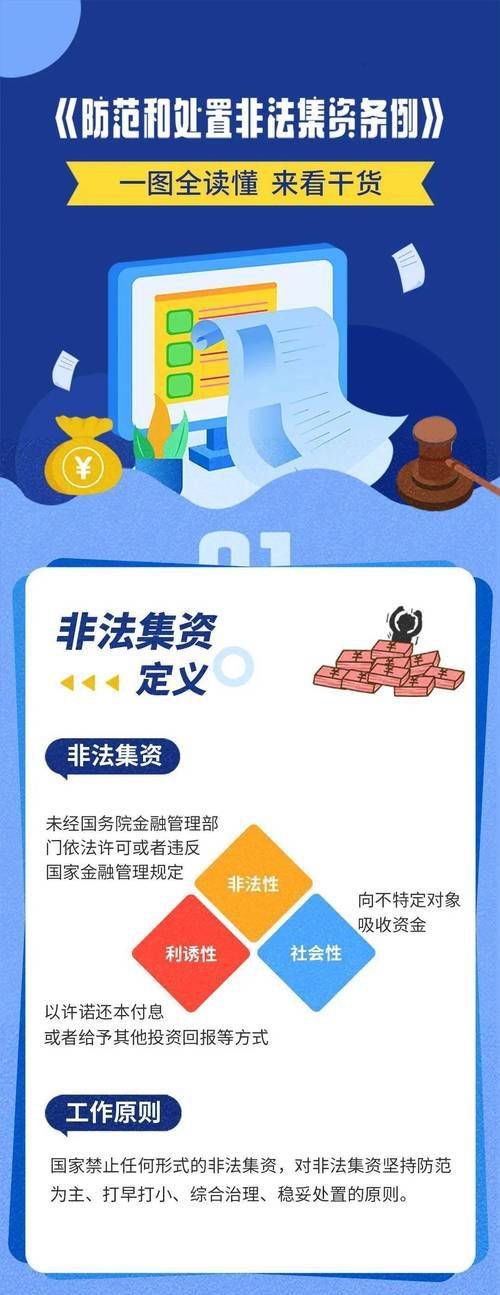
What are the forms and means of illicit fund-raising offences in the area of insurance? According to the shandong provincial security coordinator, there are three main types of cases. One is the lead case. It refers to fraud committed by insurance practitioners using job facilities or company management loopholes, under the guise of insurance products, insurance contracts or in the name of insurance companies. The main tools are: the false creation of insurance property by criminals, or the commitment of additional benefits on the basis of old insurance products, or the conclusion of “business agreements” with consumers to absorb funds; the issuance by criminals of false insurance policies and the imposition of private seals on self-purchase receipts or company scrap receipts, or even the direct issuance of white notes to obtain funds。
The second is a participatory case. This refers to the participation of insurance workers in social financing, private lending and the marketing of non-insured financial products. The main instruments are: the promotion of insurance products by insurance practitioners at the same time as non-insured financial products, which confuses the nature of the two products; the commitment of insurance practitioners to non-insured financial products secured by the creditworthiness of insurance companies, with a high security and return rate; and the inducement of insurance consumers to withdraw or pledge their insurance policies to obtain cash to purchase non-insured financial products。
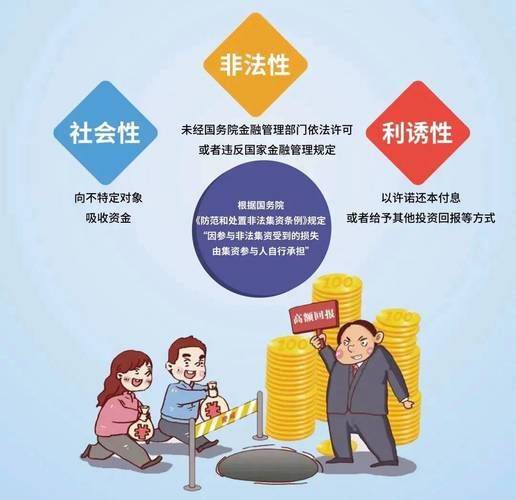
Three are cases of exploitation. It refers to illegal institutions acting on the credit of insurance companies, misleading investors and engaging in illegal fund-raising. The main instruments are: false statements of association with insurance companies, the sale of false insurance property and the illegal collection of funds; the exchange of insurance insurance risks or an overstatement of insurance liability, the assertion that investment projects (property) or financial security are secured by insurance companies, and the illegal collection of funds; the falsification of insurance agreements, the false assertion that insurance companies provide credit performance guarantees to investors, and the launching of p2p operations with high interest rates as bait; false insurance claims to attract public investment in society in the name of mutual insurance companies, the acquisition of high investment earnings, or the promotion of “mutual assistance schemes”, public funding, etc., in the name of insurance, in order to induce public participation in illegal collection。
In the case of illegal fund-raising, consumers should be identified and their money bags secured. How, then, should the risk of illegal fund-raising be protected? The shandong department of public security (scp) stated that the consumer insurance process should be as “triple-check, double-check” as far as possible, i. E. Through the insurance company's website, the client hotline or the board of insurance, the industry association's website, the inspection of products, the inspection of documents, the preparation of transfer payments and the conduct of return visits。
The shandong provincial public security association indicated that, under the penal code, engaging in illegal collection of funds may constitute an offence of unlawful receipt of public deposits or of fraudulent collection of funds. While there is some apparent similarity between the illegal absorption of public funds and fund-raising fraud, the perpetrators of the illegal absorption of public deposits do not have the purpose of illegal possession of the property of others, while the perpetrators of fund-raising fraud have the subjective purpose of illegal possession of the funds collected。