Keyword 1: industry adjustment period — performance pressure, growth slowing to normal
In 2025, the white sector officially entered the deep adjustment cycle, with a strong overall performance underperformance. Wind data show that the business income of 20 a-stock white wine companies in the first three quarters totalled $31,777. 9 million, a decrease of 5. 90 per cent over the same period, and net profits to mothers totalled $12,571 million, a decrease of 6. 93 per cent over the same period, ending the steady growth trend of previous years。
The demand side is also weak, with channel studies showing a 20-30 per cent decline in demand for white wine on the occasion of the mid-autumn national day and a shift in the overall industry from high-speed growth to an adjustment phase of high-quality development。

Keyword 2: high stock - whole industry chain pressure to core task
High inventories are common to the white wine industry in 2025, and the whole industry chain is affected. The data show that the stock of 20 a-stock white wine companies in the first three quarters totalled $17,686 million, an increase of 11. 32 per cent over the same period。
There has been a slowdown in the distribution of outlets and an increase in the pressure on distributors to go to stock; the enterprise side has eased the pressure on stocks by optimizing the delivery tempo and strengthening channel controls, making them one of the core tasks of the industry throughout the year and forcing enterprises to optimize supply chain and channel management systems。

Keyword 3: policy-led transition - from “sale of alcohol” to “sale of lifestyles”
In 2025, the white sector received key policy direction and the direction of the transition became clearer. The department of commerce of guizhou issued a guidance (advisory draft) on furthering the transformation of “golden selling” to “sale selling lifestyles”, which proposes a new industrial ecology for “product + scene + culture + numbers”, promoting six priority tasks, such as the promotion of the wine industry, catering, liquor merchants, and alcohol integration, and providing a clear policy framework for industrial transformation。

Keyword 4: intergenerational consumption faults — young group expansion is imminent
The problem of the inter-generational faults associated with the trajectories of consumer groups became more pronounced in 2025. Market research data show that currently less than 15 per cent of the population consumes alcohol under 30 years of age, and that the acceptance and frequency of consumption of alcohol by young consumers is low。
How to attract young groups into the industry is a common theme, and enterprises are raising a new generation of consumers by lowering consumption thresholds through the introduction of low-level products, innovative marketing models and the integration of young consumption scenarios。

Keyword 5: head enterprise resilience - a pedestal lead, high risk resistance
Despite overall industry pressure, head enterprises have shown greater risk resistance. In january-september 2025, the industry leader, guizhou, achieved a total operating income of $130,904 million, an increase of 6. 32 per cent over the same period; and a net profit of $64,626 million to the mother, an increase of 6. 25 per cent over the same period, maintained a steady growth during the restructuring period of the sector。

Keyword 6: “white +” integration — scene innovation to expand industrial boundaries
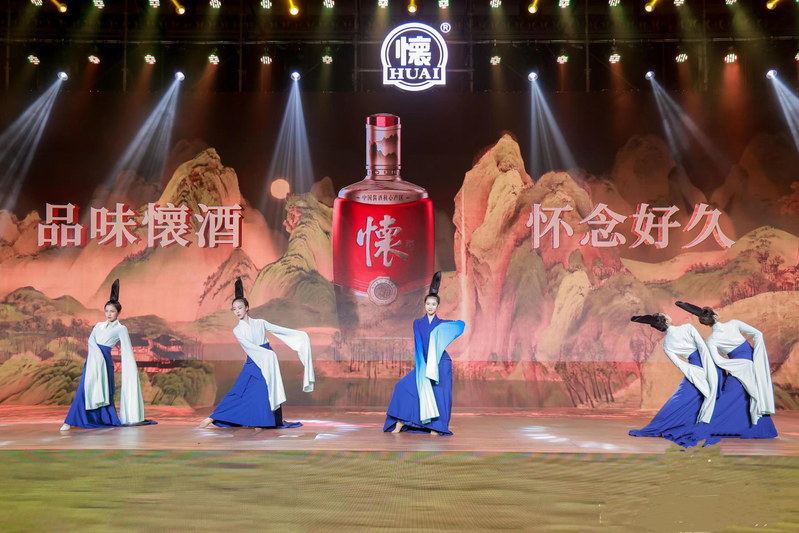
The integration of the “white +” industry became an important direction for the transformation of the industry in 2025, with enterprises exploring multiple scenarios. The mau tai combines the culture of beverage with landscape resources such as fruit trees, and has created a wine brigade integration project; the jie jie jie wing has built an immersion experience at the core of the men-tai-tai workshop site, which received more than 50,000 visitors back to the factory in 2024; the national wine industry has extended the consumption scene through the “drink + concert” model; and the kyohua wine industry has launched a dey drinking experience。
Keyword 7: empirical terminals — super-end construction, enhanced consumption connections
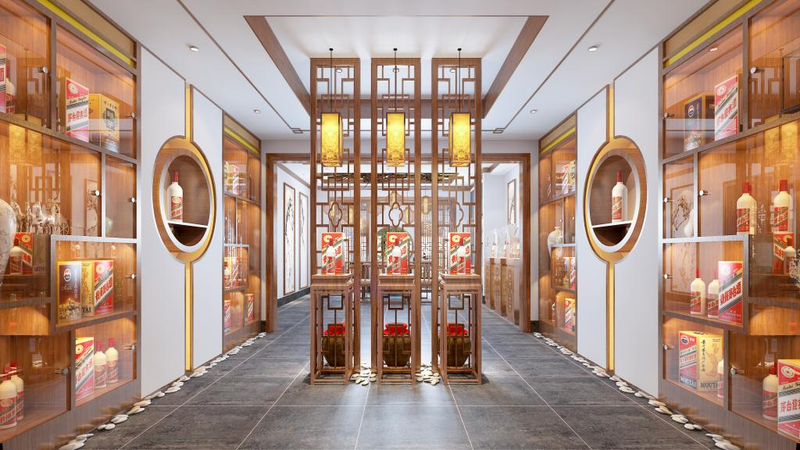
The innovation of the terminal model has accelerated, shifting from traditional marketing terminals to experiential super terminals. It is planned that over a period of three years, cultural experience halls will be built as super terminals that combine “functional + experience + emotions + socialization”; regional liquor firms will also deploy experiential terminals, such as the tavern of the tavern, the old cellar showhouse, to improve consumer awareness of brand culture and to improve user viscerality by enhancing consumer experience。
Keyword 8: internationalized acceleration - from product to cultural output
The internationalization of the white wine industry accelerated in 2025, from simple product exports to cultural ones. Guizhou has launched a three-year plan of action for white wine exports, and the global wine company has led more than 30 liquor companies into six countries, reaching a target of over $1 billion; at the enterprise level, international brands such as the united kamu have promoted non-relict process dialogue and the replicating of the overseas experience marketing of wine lee。

Keyword 9: low-intensity innovation - adapted to multiple demand and lower consumption thresholds
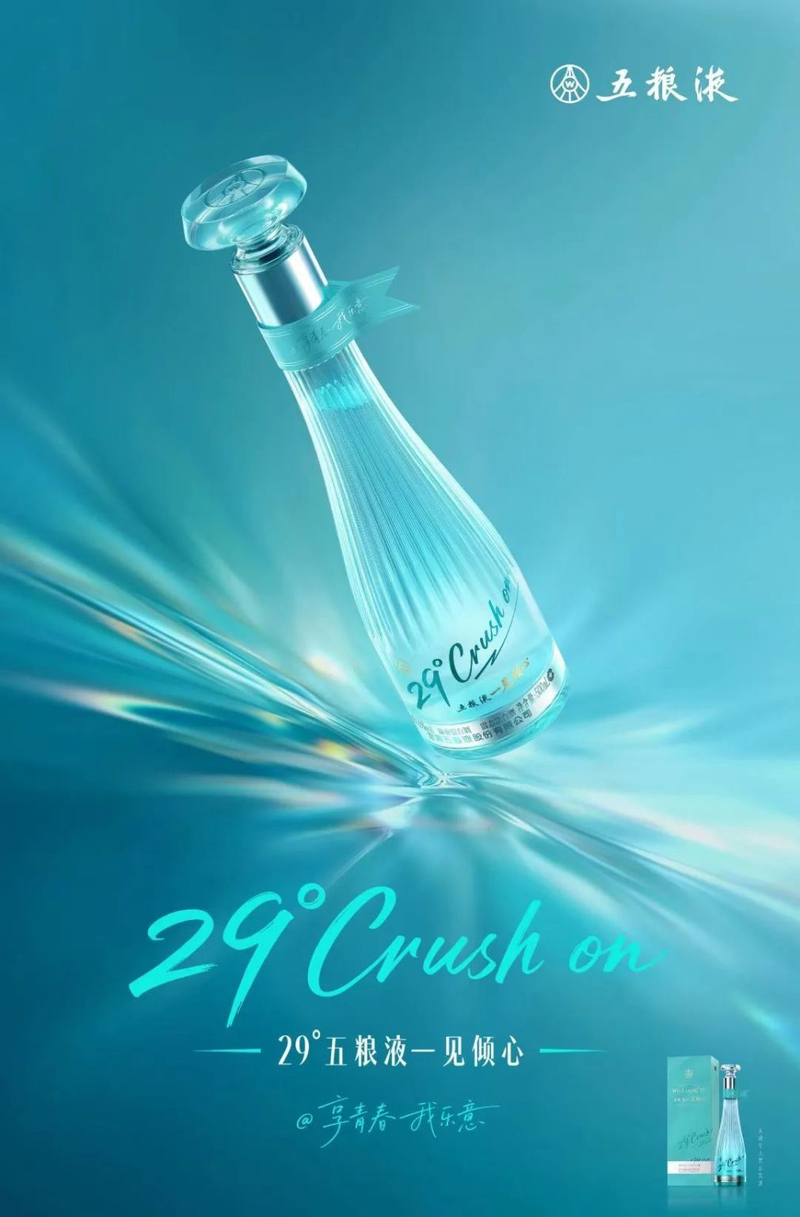
To fit the young consumer groups and the diverse consumption scenes, low levels have become an important orientation for white wine product innovation in 2025. Powder has introduced a new 45-degree version of the product that takes into account taste and suitability, and many regional liquor companies have also introduced low-level products, with degrees concentrated at 38-45 degrees. Low-intensity products not only lower the white wine consumption threshold, but are also better suited to light consumption scenarios such as home-drinking, friends gathering and so forth, becoming important players in expanding markets。
Keyword 10: logical transition of valuation - from the rate of increase at the base to the value of the user's life cycle
The logic of the valuation of white wine enterprises in the capital market has changed significantly. With the shift from a “sale of alcohol” to a “sale of lifestyles”, it is generally suggested that industry valuations will shift from traditional “breeding rates” to “user life-cycle values”. Enterprises with clear scenarios and high user capacity are more capital-friendly。

In the future, firms that are able to grasp consumption trends with precision, sustain innovation experiences and build core competitiveness will stand firm in the transformation of their industries and open a new chapter in high-quality development。