In the culture of white wine, there's a great combination between heaven and independence
In china's white wine river, the river wine has always occupied an irreplaceable core. From the pottery of the sanctuary sites to the half-dang mountain of the modern white wine industry, the uniqueness of the river's wine is rooted not only in the natural endowment of the heavenly kingdom, but also in the unbroken history and folklore of 3,000 years. This uniqueness is not an advantage of a single dimension, but a stereogen created by geography, process, history and culture, making it the most visible spiritual symbol of chinese white wine culture。
It's 30 degrees north
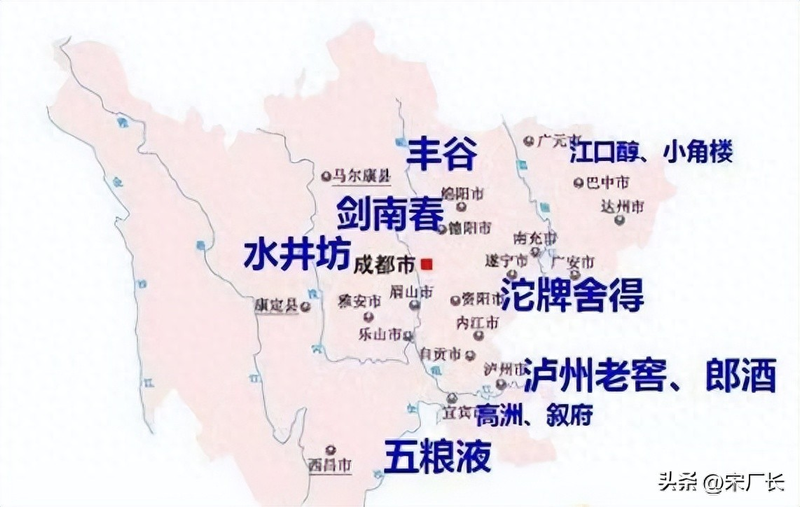
The uniqueness of the river's wine stems first and foremost from the biased gifts of nature. The sichuan basin, located at 30° n, is home to bordeaux, france, and has been designated by the food and agriculture organization of the united nations (fao) and unesco as “the ecological zone where the earth's latitude is best suited for the production of quality distilled wine”. This region, known as china’s white wine and gold triangle, has created a natural giant silo – nearly 1,400 rivers such as yangtze and zhongjiang – that bring a pure source of mineral-rich water, all of which are based on high-quality sources in wells such as wenkun’s, xue’s, and water wells。
The subtropical wet monsoon climate gives the basin warm, warm and wet features of winter, long frostless throughout the year and hot rain, providing excellent hotbeds for the reproduction of microorganisms. And the wide distribution of purple and yellow clay in the basin, rich in nutrients such as calcium, phosphorus, and potassium, is one of china’s most fertile natural soils, not only nourishing quality brewing materials such as sorghum, maize, and wheat, but also fostering unique micro-organisms. At the geological level, the special formations of the sichuan red basin form a stable fermentation environment, a perfect combination of “the heavens, the earth, the water, the earth” that constitutes a natural gene that cannot be replicated in the river. According to statistics, since 2004 the country has been the country's largest producer of wine, accounting for 53 per cent of the country's total in 2021, equivalent to one in two bottles of white wine from sichuan, which is backed by the hard core of natural endowments。
The millenium symbiosis with ancient art
If natural endowments are at the root of a river's wine, then the millennia-old brewing process and the old cellar resources are its unique taste core password. As a source of strong perfumed white wine and a nostrils, the “mud cellar solid fermentation” process has been classed as a classic by industry, while the ancient teachings of “the millennia old cellars” have served the essence of the wine. Sichuan has the country’s richest cellar resources, with 146,000 cellars over 30 years old. Of these, benming dynasty pits, which began in 1368, have never been fermented for more than 600 years, and are the first cave-style wine-defermented cellars in china. The silos of these cellars are grey and dark, soft and delicate, containing hundreds of millions of microbes per gram of mud, and more than 150 fungus forming stable ecosystems in centuries of symbiotic life, serving as a “biochemical response base” for the production of quality white wine. In 2005, the ibein cellar mud was permanently stored by the national museum as a “living relic” of the kawakawa wine process。
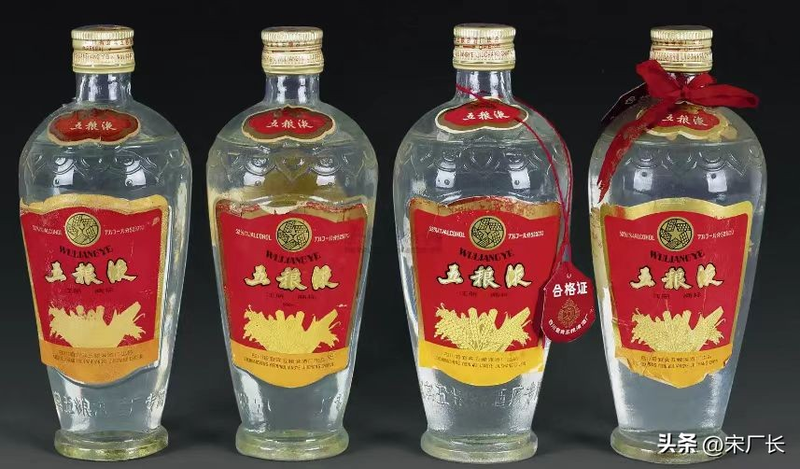
The brewing process of kawakawa's wine is “precision”, and every link from the composer to the tune is hidden. The “chen's secret formula” of the five grains compares the five grains well, following the ancient formula of “composed evaporation, poorly graded, quantity and quality of wine to pick”; the maintenance of the old cellars of zhuzhou, “to feed the cellars in a bad way” to make them more fragrance; and the “low-temperate fermentation” process inherited from sword nam chun, with a maximum fermentation cycle of 120 days. Instead of abandoning tradition, the modern wine industry has incorporated digital management into ancient law, with sichuans accounting for nearly half of the country’s master brewers, who monitor the micro-organisms environment through precision control of temperature and humidity, thereby rejuvenating traditional processes with modern technology. This process of “correct innovation” has allowed the kawajia to retain both the true taste of grain grain grains and the unique sense of “comfort, right and right”。
Three thousand years of uninterrupted brewing
The uniqueness of the wine lies in its ancient history. More than 4,500 years ago, a large amount of pottery and carbonized rice were produced from the three-star piles of sites, proving that the ancient people had acquired the technology of brewing and developed the practice of drinking. At the time of qinhan, the good words of "wenjun is like a scrubber" had been circulated to the present day, and the wine in the west had been so popular that it had left a record of "the master of the gang": tang dynasty is the golden age of kawakawa, and cheng dung, a major business town, has become the gin of chang an court。
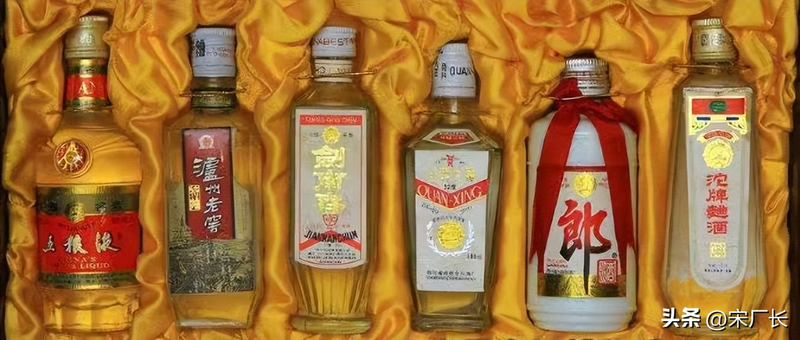
In song dynasty, the wine industry has reached a new height, and as one of the country’s 10 major commercial tax counties, the wine tax accounts for one tenth of local taxes, and its annual alcohol tax has been documented in the documentary examination. Even as a result of the men’s prohibition policy, sichuan officials retained the tradition of brewing alcohol on the grounds that it was “suspicious and inappropriate to ban alcohol”, as reflected in the deep roots of the culture. In the light of the dawning period, major restaurants have emerged, with the emergence of brands such as five grains of liquid, old cellars in kanazhou, and kenanchun, creating a situation in which “hotels, wherever they exist, will be sold”. In its 3,000-year history of brewing wine, the river wine has not only witnessed the booming changes in the barone region, but has become more integrated into the emotions and wisdom of the human ink. Only dukang's lamentation came to yang's “a pot of bitter wine meeting”, and hong kong wine became the cultural carrier of the chinese spiritual world。
The philosophy of life in smoke
The uniqueness of kawakawa's wine is ultimately reflected in the depth of its attachment to pasquatch folklore, becoming a “liquid treasure” that is integrated into everyday life. In sichuan, alcohol activity runs throughout the year: family and family reunions are taking place on a monthly basis; family reunions are taking place in march and april; family reunions are taking place at the end of may with a midday drink of “gold wine”; sickle receptions are taking place in the summer; and family reunions are taking place on september 9th. There is no other way to live without alcohol, and soybeans, wines, wines of the full moon, and wines as a medium of affection and blessings。
The multi-ethnic nature of sichuan has given the culture of wine more diverse charisma. In march 3th, march 3rd, tibetan bathing season, and the year of the sun, the people of all ethnic groups resorted to alcohol as a medium for their unique drinking practices. In particular, the culture of the qing clan of “silver” is characterized by the rotation of the drink of wine from the altars with a lined bamboo tube, and by the opening by the respected elders of the heavens and earth to the ancestors of the earth, the singing of wine and the dancing of sharon in the wine. In the modern sichuan, the change of cups at the dam feast, the light and slow drinking at the dragon gate, the order of wines, the promotion of alcohols to hide traditional customs, are social ties that break the divide and bring people together. This folk tradition of “no drink, no seat” has allowed the wine to go beyond the drink itself and become a living carrier of the barn culture。
From the gift of nature to the legacy of crafts, from the accumulation of history to the immersion of folklore, the uniqueness of the wine lies in its perfect integration of the spirit of the heavens and the earth, human intelligence and the philosophy of life. Not only is it the “half-mile mountain” of the white wine industry in china, but it is also the spiritual beauty of the 3,000-year-old basil civilization. In the long river of the culture of white wine, with its non-replicable genes, the river's wine is written in a unique chapter belonging to the kingdom of heaven, allowing the fragrance to pass through time and space。