Sometimes we can see birds flying in groups in the air in a smooth and steady manner, or “waves” flying in the air. There are many birds in the world, and different birds have their own exclusive flight skills。
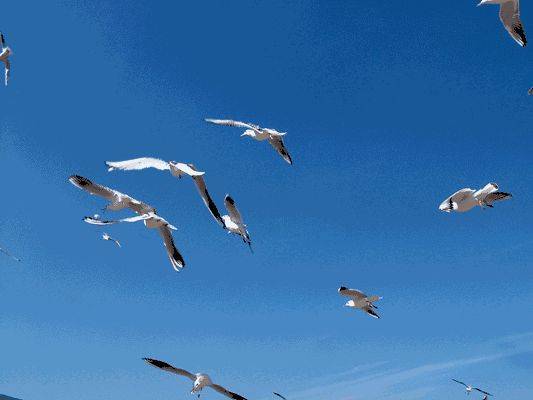
Why do birds fly
Fish can swim, and humans can learn it after school. However, the flight skills of birds cannot be captured by humans, and so many exercises cannot allow people to fly up the sky alone。
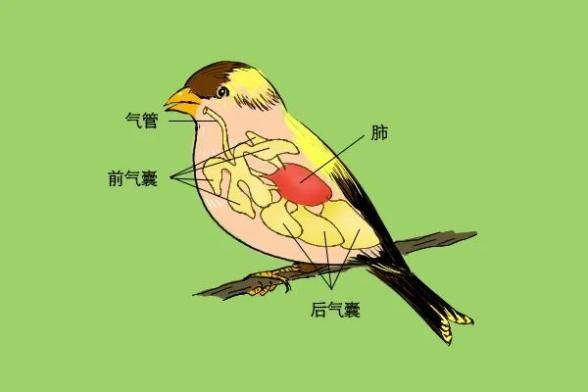
Birds can fly up to the sky in a way that separates them from their delicate body structure. First, birds have a fluid-type body, significantly reducing their resistance during flight. Second, when birds fly, they need to consume significant quantities of oxygen, and the unique respiratory system of birds solves this problem. Birds have a strong breathing function and a “double breathing” skill. Their lungs are spongy and they have nine airbags. When flying, the bird is inhaled into the air from the nostrils, the airbag expands, some of it enters the lung for carbon exchange, and the other part goes through the pipe and is then discharged through the lung. And their bones are thin and light, and invisiblely they are a major enabler of their flight。
What are the ways in which birds fly
If you had carefully observed birds flying, you might have found that they were not simply taking off and landing. Birds fly by air mainly in two basic ways:。
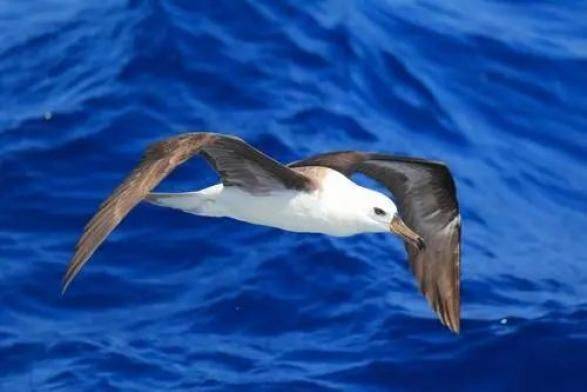
The first way is to glide, that is to say, to gain the required boost through the flow of air into the glider process. Albatross are the most perfect gliders among birds, with wings stretching up to three metres, with little need to be fanned when flying, and natural wind can be their help in flying. Using monsoons, albatrosses can even easily fly over the pacific ocean. When flying on the surface, because of the low wind speed on the surface, albatrosses will first rush into the peaks of the wave, extracting energy from the tilt winds and then flying into the higher air layer。
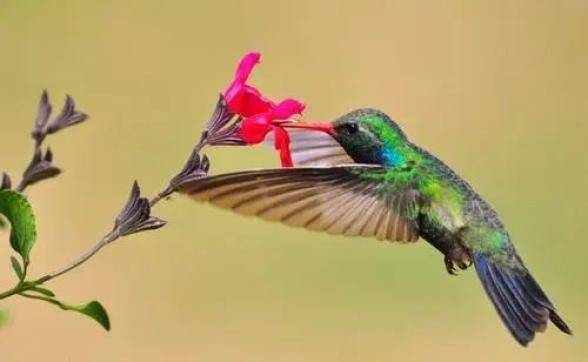
The second approach is to gain upward power through wings' fanning, and the upper- and lower-winding of wings creates upward power, which is largely mastered by most birds. But hummingbirds are the “others” among them, and when they fly, their wings are fanned back and forth rather than up and down. Whether it goes forward or backwards, the front edge of the wings remains stable. This back-to-back movement is driving in two directions, reversing back-to-back, while the tail plays a balanced role. In short, the tail of a hummingbird is like a helicopter propeller that can help produce a stable downstream to support its weight。
Are all birds flying the same
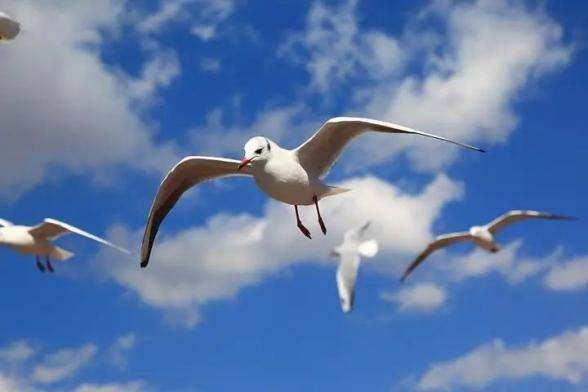
The length of flight activity cycles varies among birds, depending on the size of the bird's shape, which is usually slightly slower than that of small birds. Small birds often fly with wings, and then quickly fan the wings, with high rates of fanning and small body variations. When birds fly, care is taken about body and tail movement. Their bodies are not static but move up and down as they fly, while their wings and bodies move in the opposite direction, and their balanced tails and wings in the same direction。
This is a scientific review by li yingjie, a senior teacher at the sixty-fifth secondary school in beijing。