Q: is the groceries genetically modified
Finally, someone's asking about genetically modified foods。
It is a normal protective response that people are always alert to unknown or strange things — it is never bad to be careful。
When a doctor is a child, he has never seen a potato, he has never eaten fruit and corn of all colours, he has not eaten the fruit of the holy virgin, he has not eaten the millennia, and he has only eaten in recent years the "very sweet" ugly orange, "not knowing the fire" 。
Go back to the point. First, we need to be logically clear as to why humans have developed the technology of transgenics, in order to poison themselves. So what are the heavy metals, poisons, radioactive substances, carcinogenic contaminants that can be added directly。
In fact, scientists' scientific research and technological innovation on crops have as their main purpose: to increase production! It's not to make food better to eat, it's not to make food look weirder
In fact, this exploration has been going on, and what we know most about is “mixing technology”, the most representative of which is yuan yongping's feats — mixed rice, feeding china and even the world's most under-fed people (though mixed rice is not good)。
Our food is so rich because human beings have intentionally and unintentionally carried out “mixed seed selection” in the process of domestication of plants and animals。
Another breeding technique that has been in use for decades — space breeding — is to carry some plant seeds on board spacecraft, induce them to mutate in extreme conditions such as high radiation and weightlessness in the universe, grow them when they return to the ground, and choose varieties that favour food orientation for orientation, such as larger heads and better taste。
The two techniques in the front are also largely “directed selection” using natural conditions, and transgenic techniques are more “precision” than they are: directly at the genetic level, extracting the “advanced genes” of an existing species, inserting genetic information on the target species, allowing the target species to quickly acquire the genetic equivalents of the dominant genes, avoiding a slow process of cross-fertilization or transformation, and directly directing the “production” of new species, which can be described as a reverse technology. For example, in the case of food or cash crops, to ensure a steady or even higher yield, there is a high risk of reducing production in the face of natural challenges such as drought, weed competition, pests and wind blowing. In the case of large-scale cultivation, it is not possible to water like a flower, it is not possible to remove the weed with precision, the effects of pest predators are limited, the spraying of pesticides is not likely to be residual, and windwalls cannot be installed in the fields ... The crops themselves have to be made more resistant to drought, herbicides, pests and invertures。
Take an example。
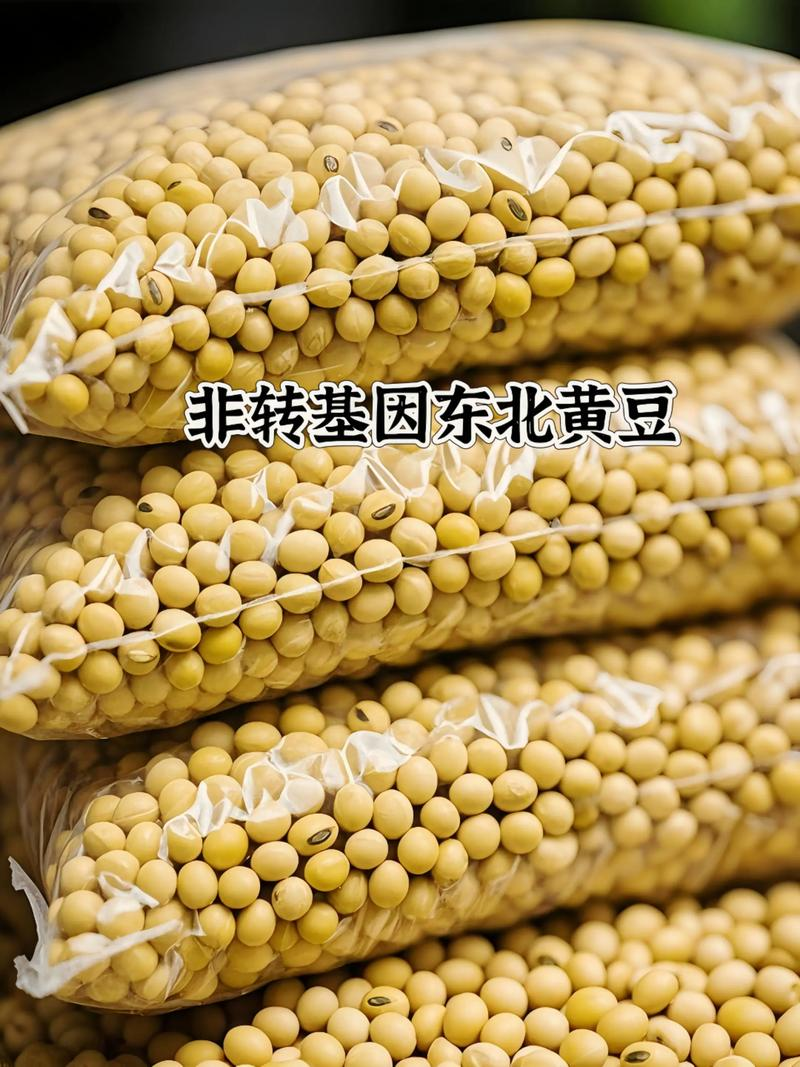
In order to control weeds, soybean cultivation requires herbicide spraying. However, herbicides are usually "one thousand victims of self-destruct" because soybeans themselves are a kind of grass. Weeds have been removed and soybeans left。
What do we do
Biologists solved this problem: with the transfer of herbicide-resistant genes from bacteria to the genome of soybeans, soybeans can acquire resistance to herbicides。
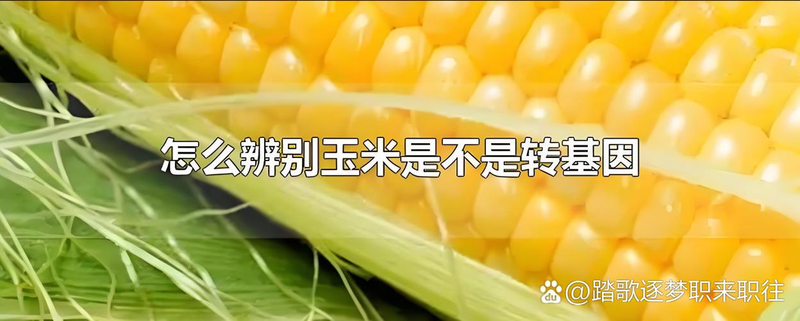
In this way, man-made changes in the genome of a particular organism for human use, and the food obtained is genetically modified food。
Talk about the status quo。
Currently, only cotton and papayas are legally commercially grown in the country, while soybeans, maize, oil and beet are included in those that can be imported for food processing。
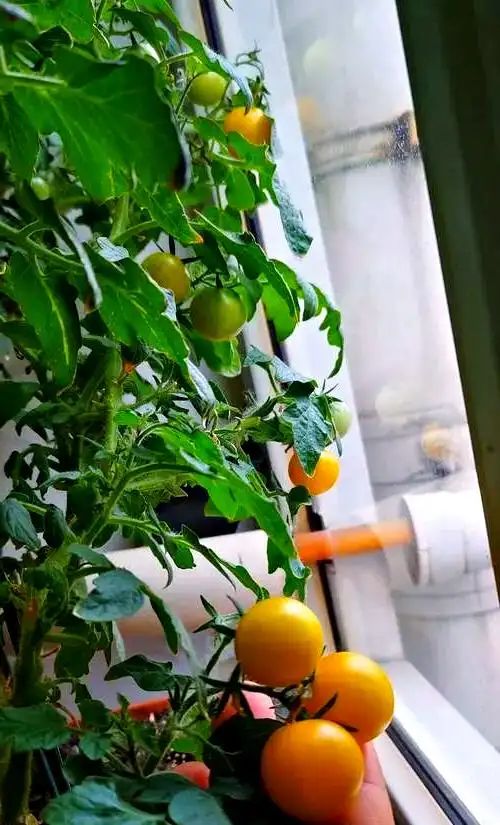
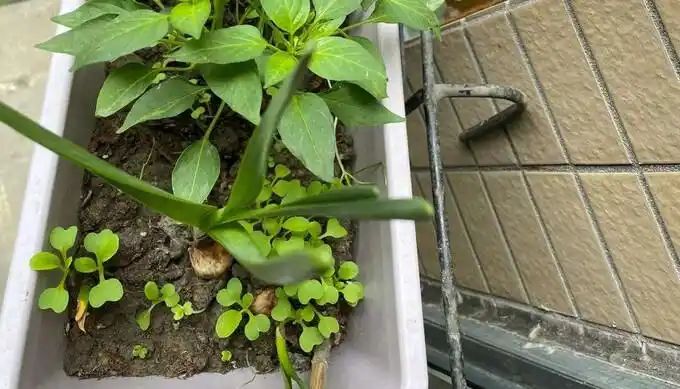
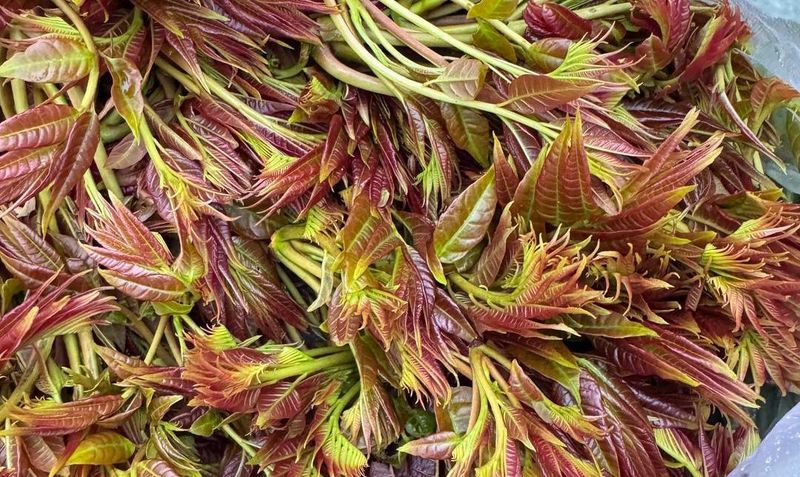
So, in supermarkets, it's possible to be genetically transgenic for five types of food, and for their processing. None of the others are, for example, fruit corn, small peanuts, potatoes, purple rice, purple kale, peppers, tomatoes, or genetically modified foods。
In addition, economic factors had to be raised。
With the exception of papayas, soybeans, corn, oil and beet crops, which are not fed directly to humans in their original form, are “raw materials” in white: soybeans and oils (not leaves and vegetables) are used to extract oil, corn is used to feed livestock, beet is used to extract sugar, etc. Only such “large crops” can sustain the high financial investment in genetic modification
If we're just going to use genetically modified techniques to develop "the fruit of god" for good, it's not even possible to recover costs for hundreds of years
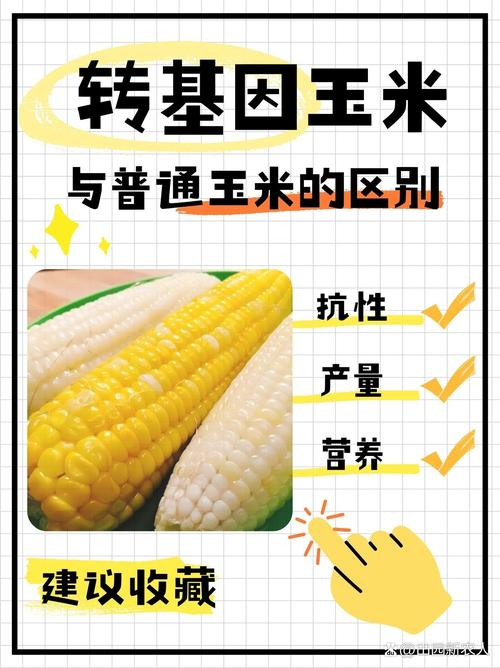
What about the safety of genetically modified genes? It takes time to test, like the "first crab eater" mentality, and if you don't feel comfortable, you can totally choose. As far as current research evidence is concerned, there is no clear international perception that genetically modified foods are harmful to people, and i do not wonder what will happen in the future。
Say groceries back。
The reason why groceries are referred to as “combination” is that production or taste cannot replace the position of “principal food”, but their history is also long. It's like the fifty-six ethnic groups in china, which together do not have many ethnic han people, but cannot ignore their existence
Anyway, why would anyone suspect that groceries are genetically modified? In fact, it is because of the incoherence of the staple foods, which are used to rice and wheat flour, that is, the “preservative” reaction to the “leaved” food categories。
In other words, europeans eat mainly potatoes and wheat. If we were to go to europe to live with some of the “mixed rice”, some europeans might also think, “is this strange grain of rice genetically modified?”
Corn, peppers, tomatoes, potatoes, potatoes, pumpkins, etc. Are all american, and they were brought into china just before ming dynasty