In the vast fields of scientific and technological innovation in higher education, the transformation of scientific results is like a rainbow bridge across academia and industry, whose smoothing directly determines whether the value of knowledge can unleash economic flowers. In his annual summary, the director of scientific research at one of the key universities pointed out with concern that "more than 300 patent technologies, such as beads locked in ivory towers, are born every year at my school -- the lack of uniform standards for technology promotion materials, the inefficiency of matching business needs and the length of the transformation cycle are constraining the virtuous cycle of innovation. " these challenges are by no means individual cases, but, like a prism, clearly reflect the three structural dilemmas of transforming current results into ecology:
I. Ecological cracks in traditional patterns of transformation
1. Technological barriers to the information divide
Incomprehensible professional terms, like the wall of insinuation, isolate enterprises from the core values of technology; the dissemination materials produced by the scientific teams themselves are often accompanied by "academic glasses" and lack market-oriented grinding, resulting in a great deal of output sleeping in the dissertation library. The head of a technology transfer centre is apprehensive: "a manual screening and assessment of 500 results takes six months, and when potential firms are found, the technology’s annual wheel has already turned several circles. This "root-and-duck" communication dilemma has turned many technical results with market potential into "sleeping beauty" in laboratories。
2. Uneven allocation of resources constrains synergies
The management of scientific research in higher education is like taking a wire: on the one hand is pursuing the purity of the academic frontier and, on the other hand, the practicality of achieving technological landing. In the absence of intelligent tools, scientific managers have to devote their valuable energy to the mudslides of basic document processing, making it difficult to free their hands to plan a strategic transformation layout. This "scientific shift" pattern of resource allocation, like a wheelbarrow, makes it difficult to carry the weight of the era of innovation-driven development。
Ii. The integrated integrated electronic coordination

To solve these structural challenges, the results transformation smart consultants have created new ecological networks with four core competencies:
> smart ecological hub
1. Automation processing engine
>as per deepseek large model and rag technology, like a tired "technical translator", automatically build technology maps, smart-generated results promotions, dynamically updated results compilations. With a two-thirds reduction in the cycle of technology packaging following the application of a pilot university, scientific managers were able to emancipate themselves from 70 per cent of the transactional work and achieve a remarkable transition from "document processor" to "innovator"。
> 2. Precision matching radar
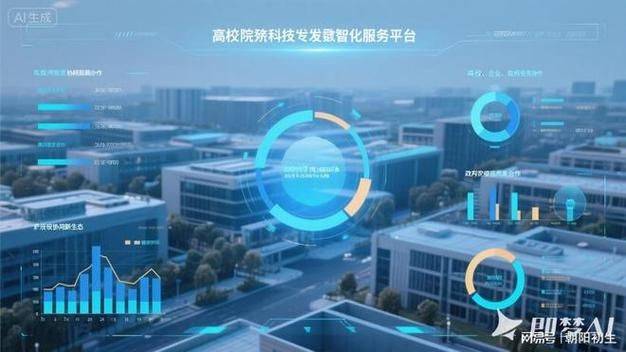
> precise mapping of applications of science and technology results through a multi-dimensional smart evaluation system (technology maturity/market potential/feasibility of application) combined with industry-wide data analysis. After a systematic evaluation of a new material patent, three new energy enterprises were attracted like magnets and pre-conversion cooperation was quickly achieved. It's a match-making mechanism that allows technology and business to fit in。
> 3. Decision think tank network
> build decision-making models that cover the full process and provide the scientific research branch with key decision-making support, such as technical value assessment reports, conversion path optimization programmes, like lighting the lighthouse of wisdom for transformation. Through a system-generated conversion feasibility report, a university successfully circumvented three highly risky technological transformations at market risk, saving more than tens of millions of dollars in research and development。
> 4. Eco-service cloud platform
> create an on-line docking platform "never down" that brings together 7x24 hours of technical supply and demand intelligence. The first half of the year led to 87 cooperative projects in schools, with technology transactions exceeding $200 million, creating a "high iron speed" for the transformation of technological achievements。
Iii. The multiplier effect of intelligent ecology
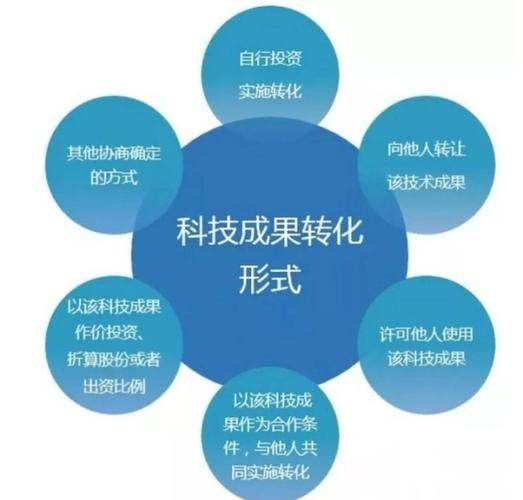
With the in-depth application of the smart consultant system, the transformation of tertiary outcomes began to show geometric growth. The technical results of a biomedicine team created a "light speed record" in the school's history of conversion, using smart matching engines to "love" with multinational drug companies within 48 hours. This "technology-hunting" docking pattern is reshaping the synergetic time and space map。
Even more surprising is the added value derived from the system: through the continuous accumulation of conversion cases, the intelligent platform has built autonomously an industrial knowledge map containing 200,000 plus business demand images. When a professor at a mechanics college submits a new type of bearing technology, the system not only provides precision to five matching firms, but also automatically produces a report on the future of the application of the technology in areas such as wind and heavy iron. This predictable analytical capacity has enabled the development of scientific projects to play a harmonious duet with market demand。
Iv. An evolutionary picture of future ecology
In the next phase, the smart system will evolve into a "whole-chain power": embedding a patent value prediction model at the end of the technology to help scientific teams avoid market-based risks at the project stage; and developing a "reverse matching demand" function at the end of the enterprise to enable leading firms to collect technology-related campaigns like "heroes." through this function, a car consortium has successfully organized three joint university laboratories, which have created a new paradigm for collaboration in productive research。
This transformation revolution, led by ai, is breaking the shackles of traditional linear transformation patterns. When the quantum communication protocol of a faculty team achieves the miracle of "dissertation or transformation," we witness not only the success of a case, but also a dynamically balanced and innovative ecosystem that is broken into twilights -- here, academic stars and the fertile soil of industry, through the link of data intelligence, have finally melted into spiralling symbiotics。