The landless culture revolution:
Who says you have to grow on dirt
When agriculture leaves the soil
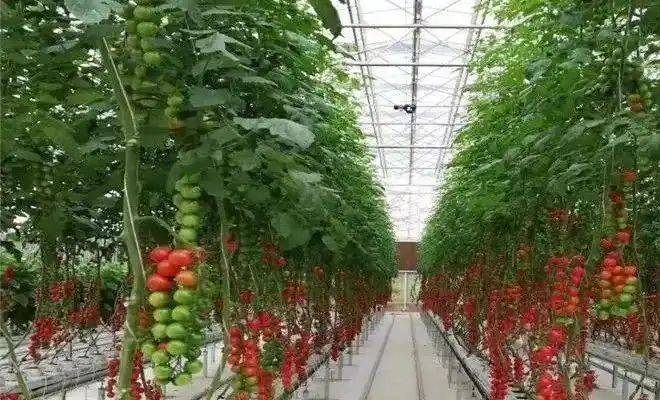
In modern greenhouses in the netherlands, tomato plants climb up to 6 metres high along steel shelves, yielding up to 80 kg per square metre per year; on the balcony of a small district in beijing, a city white lead managed its own pvc system of hydroponics, which planted fresh and fresh creamy vegetables. These two seemingly unrelated scenes share the same secret — soilless cultivation techniques。
While traditional agriculture depends on soil, issues such as soil degradation, pests and diseases, and water scarcity present challenges for the future of agriculture. Landless farming, on the other hand, is becoming a new trend in modern agriculture with efficient, water-efficient and controllable advantages。
Three main mainstream methods of soilless cultivation
Part 01
Base culture: soil “substitute”
Numerical cultivation replaces soil with materials such as coconut magma, rock cotton and pearl rock to provide support and nutrient buffers for plant roots。
Suitable crops: cucumbers, strawberry, tomato, etc
Advantages: simple management, suitable for newcomers; 40 per cent water conservation compared to traditional soil cultivation
Family diy: plastic case + coconut clot, small-scale planting system
Part 02
Hydroponics: "drink" nutrients
Plant root systems are directly immersed in nutrients without soil and grow faster。
Suitable crops: lettuce, spinach, vanilla, etc
Advantage: 70% water conservation and 30% growth cycle reduction
Family version of the programme: 3 days to see root using out-of-house lunch box + nutrient fluid
Part 03
Aeroponics: high-tech cultivation
Roots are suspended in a closed environment and nutrients are sprayed in the fog with the highest efficiency。
Suitable crops: high-value leaves, medicinal plants
Advantage: water conservation 90%, growth rate highest
Challenge: high cost of equipment suitable for commercial cultivation
The advantages of soilless cultivation: why is it the future
Water conservation: traditional agriculture consumes 70 per cent of global freshwater, while soilless cultivation can reduce water use by 90 per cent。
High yield: production per area can be as high as three to five times that of soil cultivation。
No pollution: avoid soil heavy metals, pesticide residues。
Space is flexible: it can be planted on roofs, basements, even deserts。
Industry frontier: symbiotic fish and vegetables, new models for future agriculture
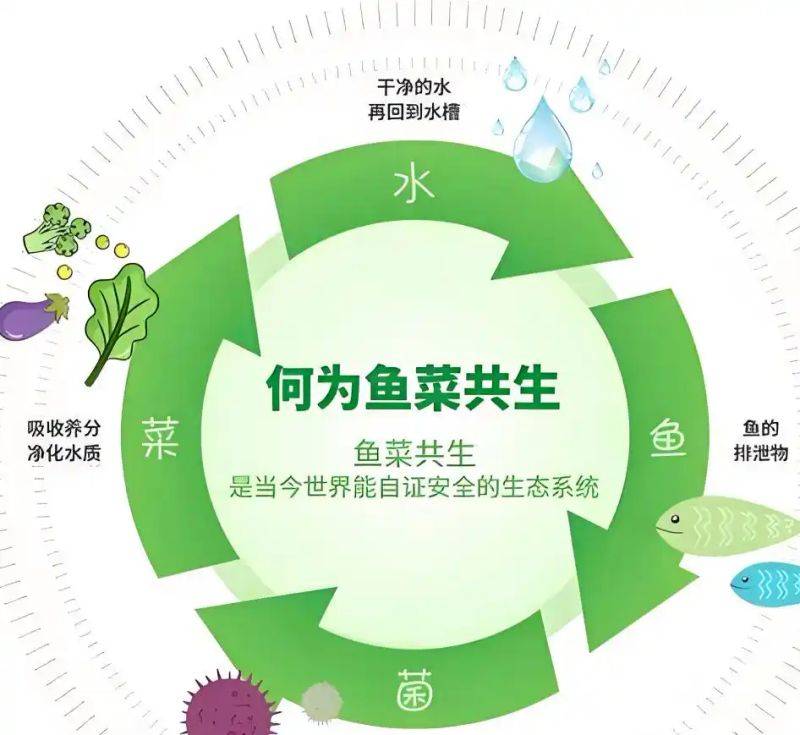
“symbiotic 2. 0 system” which combines aquaculture with soilless cultivation:
The water used to feed fish is rich in ammonia and, after microbial decomposition, becomes a nitricate that can be absorbed by plants。
Vegetables absorb nutrients, so that water quality is cleaned up and flowing back into the fish ponds, forming closed rings。
Test data show that the system can increase the production of both herring and lettuce by more than 30 per cent。
Unearthed farming, so that everyone can become a "urban farmer."
From the netherlands' smart greenhouse, to the home's balcony garden, soilless cultivation is changing the way we grow. It is not only the future of agriculture but also a sustainable way of life. If you want to try it, start with a bowl of water-breeding, and experience the fun of growing without soil
Interactive topics: