Curaçao is a common multi-fatal plant that not only looks at beauty, but also has a variety of effects, such as grafting, promoting digestion and regulating immunization. So, what are the methods of farming curaçao
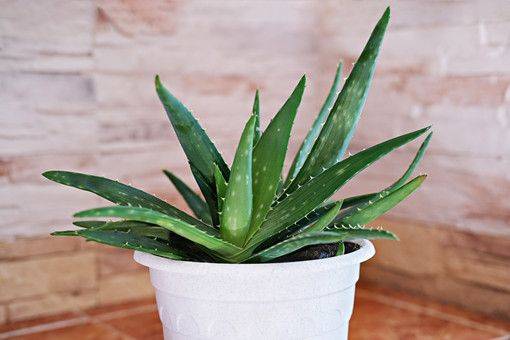
I. The methodology of curazora
1. Location and preparation
(1) sunshine is abundant: curaçao loves sunlight and chooses a location where direct sunlight is available for at least six hours a day. In indoor farming, select the location close to the window。
(2) good ventilation: the calf prefers ventilation but avoids exposure to strong wind for long periods of time. Choose a place where there is good air flow。
(3) soil selection: curaçao is not very demanding for soil but is appropriate for sandy soils that are loose and well drained. A suitable amount of foliage or pearl rock may be added to the soil to improve drainage。
2. Reproduction methods
Curaçao can reproduce in a variety of ways, including by separate strains, leaf plugs and seeds. Of these, split reproduction is the most common method。
(1) divisional reproduction: separation from the root of a mature plant, ensuring that each plant has sufficient root. Separated plants are then dryed for 1-2 days to prevent infection. The plant is then planted into a ready basin, watered slightly and placed in half-vagina, pending the gradual emergence of new roots。
(2) leaf plug breeding: select healthy leaves, cut them into sections 10-15 cm long and dry them for 1-2 days. The leaves are then inserted into the sandy soil, and the appropriate amount of water is poured and placed in the semi-vaginal area. New seedlings start growing in a few weeks。
3. Conservation management
(1) watering: curaçao is drought-resistant, so the water must be watered at a reasonable level to avoid accumulation. In the long term, soil can be moist, but not overwet。
(2) fertilisation: during the growing season (spring to fall), fertilizers containing phosphorus and potassium are applied once a month, but care is taken to avoid over-fertilization in order not to affect plant health。
(3) temperature: curaçorium adapts to a wider temperature range, but in order to avoid exposure to extreme temperatures below 5°c in the winter, plants can be moved indoors。
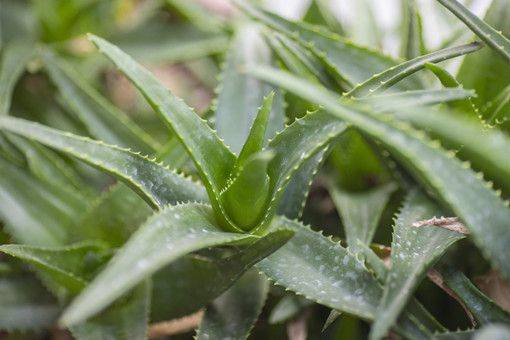
(4) shearing: regularly trimmed yellow leaves to promote new growth. At the same time, care is taken to protect the hand because of sharp thorns in the lobe。
(5) pest prevention: curaçao is more resistant to pests, but may occasionally be affected by aphids, red spiders, etc. When pests are found, they can be treated with appropriate pesticides。
4. Disease control
Curaçao is relatively resistant to pests, but the following issues require attention:
(1) diseases caused by overwet: long periods of high humidity may lead to root decay. Therefore, water should be moderately watered and well drained。
(2) powder and brown spots: both can occur under high humidity and poor ventilation. The air flow around the plant should be maintained and the leaves should be avoided。
Note by the secretariat
Avoid exposure to extreme cold or high temperatures for long periods of time。
Don't overwater the roots。
Observe pests and diseases and periodically check the condition of the plant。
Do not over-fertilize and avoid straining。
In the light of the foregoing, the farming methods of curaçao are relatively simple, and proper water, light and temperature management, as well as regular triming and pest control, must be able to produce a growing kuraçao plant。