


It's hot and rainy in the summer. It's a fast breeding period for mosquitoes
Except for routine measures like cleaning water and using mosquito-resistant windows. Outside
We can grow specific mosquito-resistant plants
Effectively reducing mosquito density and risk of disease transmission
Introduces several plants that are both of value and anti-septic effect
Helping you build a healthy mosquito-free environment
Parrt. 01 recommendations for mosquito repellent plants
Albright
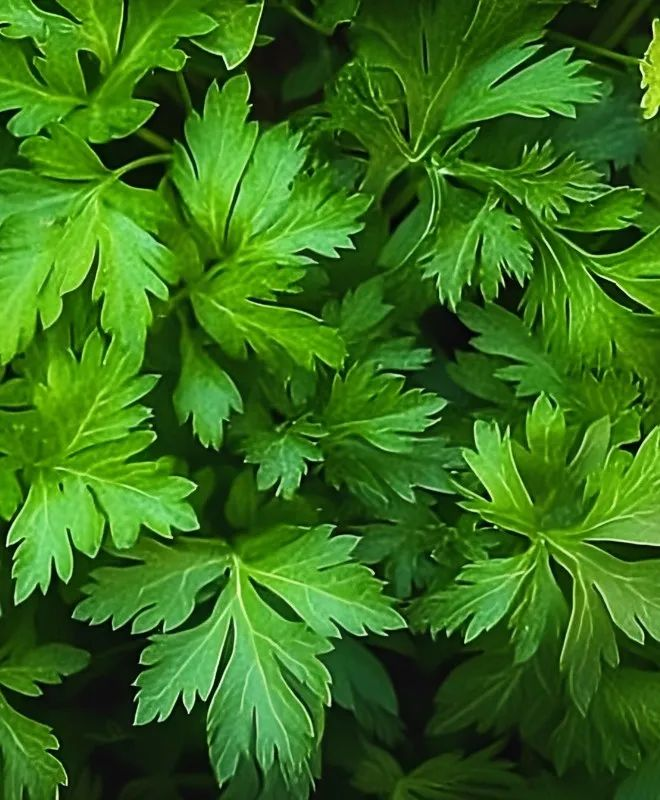
Insecticidal agents: volatile substances such as eucalyphine and encephalus, traditional noon festivals with deworming effects on the mosquitoes of the kikunkenya media。
Conservation features: extreme cold and drought resistance, less stringent soil requirements, harvest and drying in the autumn, planting or breeding in the spring。
White flower pyres
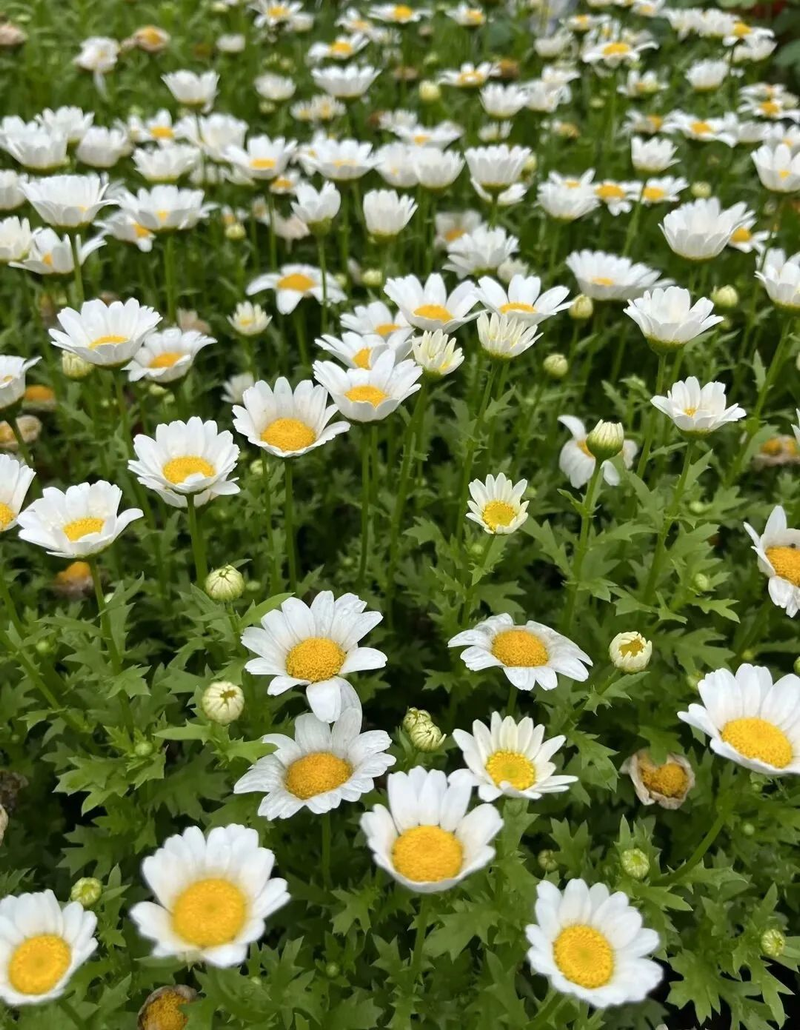
The main anti-septic components are pyrethroids and aromatic substances (e. G., fragrances), direct paralytic mosquito nervous systems, and high depredation。
Conservation elements: warm, suitable for neutral soil and acidic soil. Good and thick sandy border soil with high levels of pyrethroids under favourable environmental conditions。
Vegetable herbs/fruit
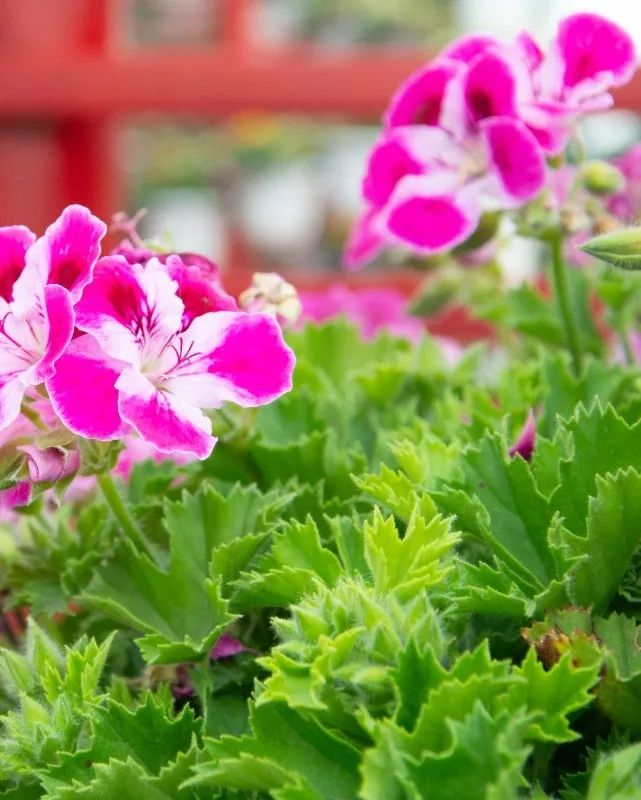
Anti-smoke composition: mainly aroma- and flavour-based alcohol, with an effect of 2-3 metres。
The conservation features: sunshine, hot summers, strong spring and autumn seasons requiring abundant water, winters at more than 10°c and regular cutting。
Mint
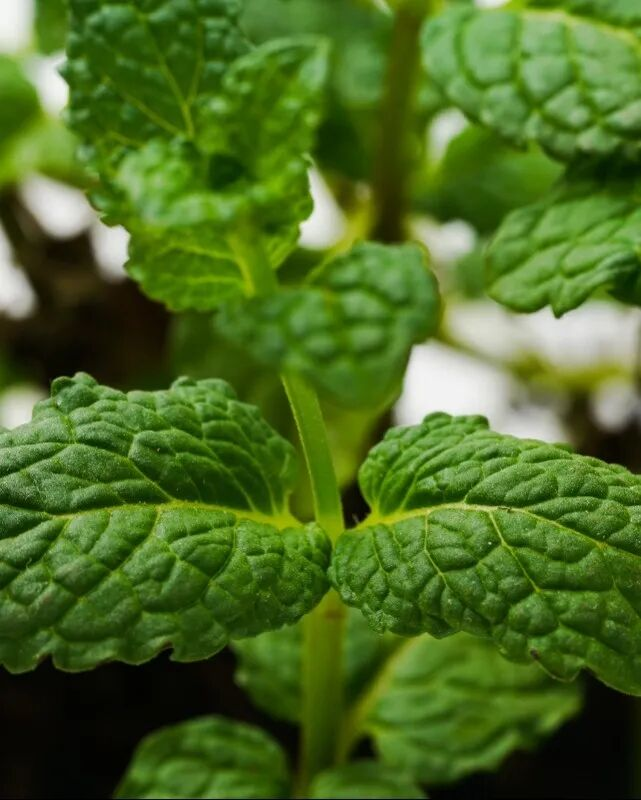
Insecticides: containing mint brain, mint ketone, mosquitoes averse to its odour, fast growth, edible and anti-medicable, effective protection against albinos。
Conservation elements: circa and humid environments need to keep the soil wet but water is growing rapidly, and it is recommended that the plant should control its spread and that regular cuttings can boost branches。
Man-gil
(b) anti-molecular component: it contains a rich alpha-triple tether and has a significant toxic effect on mosquito larvae. It is rich in citrus and has a direct evasive effect on adult insects, effectively reducing mosquito density in the surrounding environment。
The conservation features: sufficient sunlight and half-negativeness; poor soil requirements, with fertile and estuarine soils as good; soil humidity without water; and thinning fluids every 2-3 weeks for long periods of time。
Rosemary
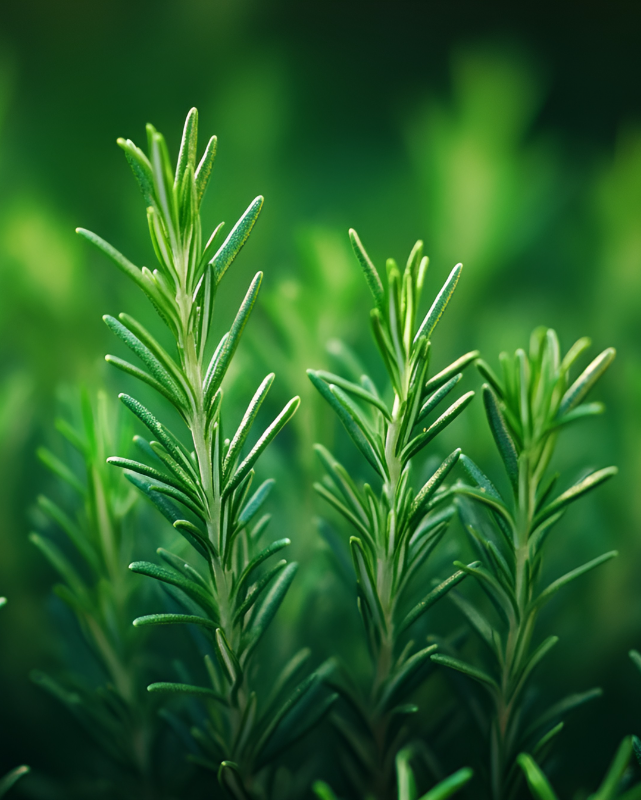
Insecticidal constituents: containing afluorine (about 20%) and α-acrylate (about 25%), which are both anti-bacterial and can interfere with mosquito search for host。
Conservation elements: need for sufficient sunlight and good ventilation, drought resistance, water to dry rather than wet, and stay above 0°c in winter。
Kryshin
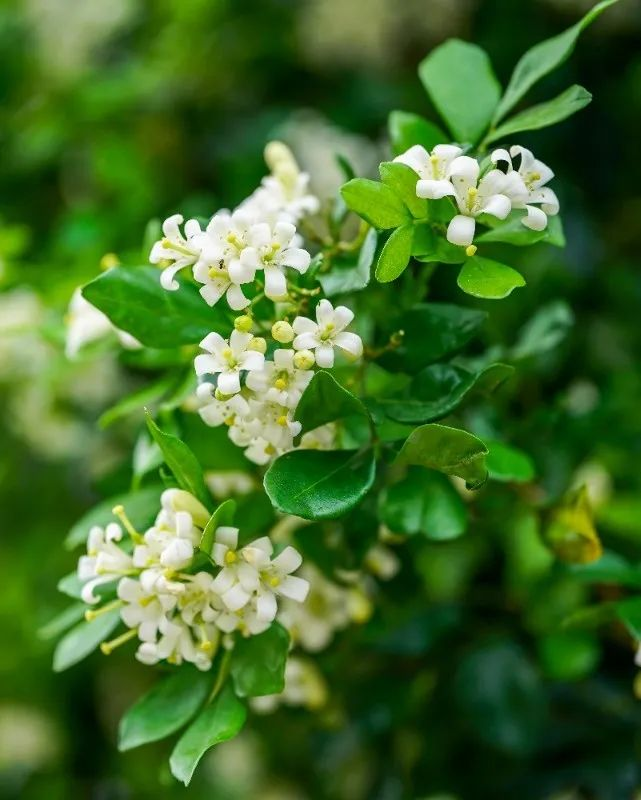
Insecticidal composition: the leaves contain a wide range of bioalkalin and volatilized oils, often used in the south as protection against green fences, and have a continuous detoxification effect on albinos。
Conservation features: acrylic estranged soil, resistant to shearing, no less than 0°c at winter temperatures, and no movement of pellets during flowering periods。
Lemon fragrance
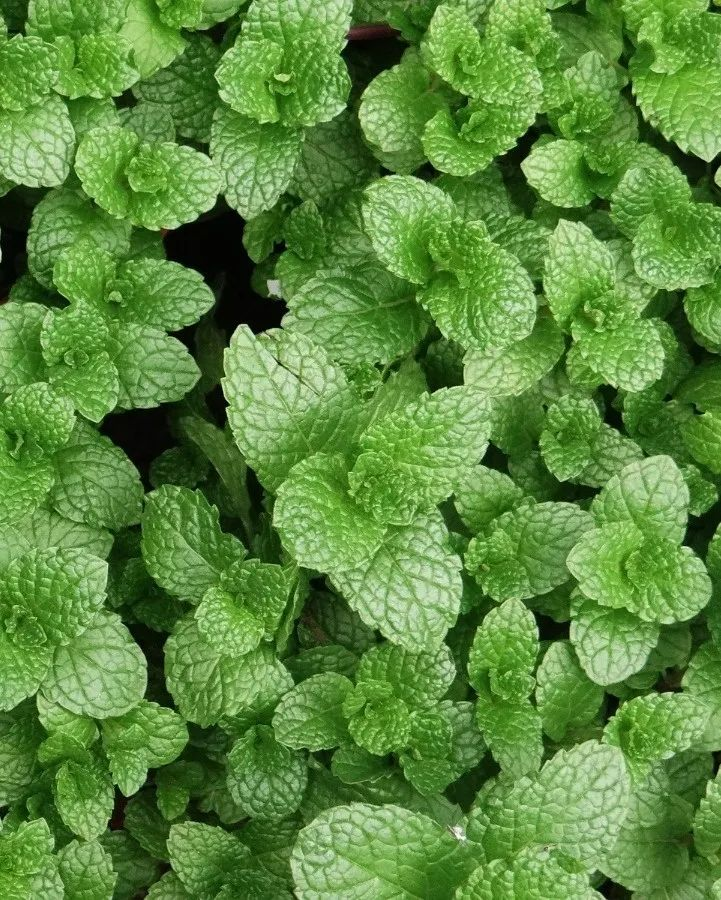
Anti-stomosis component: contains lemon formaldehyde and smells fresh。
The conservation features: semi-vaginal environment, protected from water; summer shades, partially accompanied and cut off from winter land, with regular cuttings to prevent masts。
Touch the scent
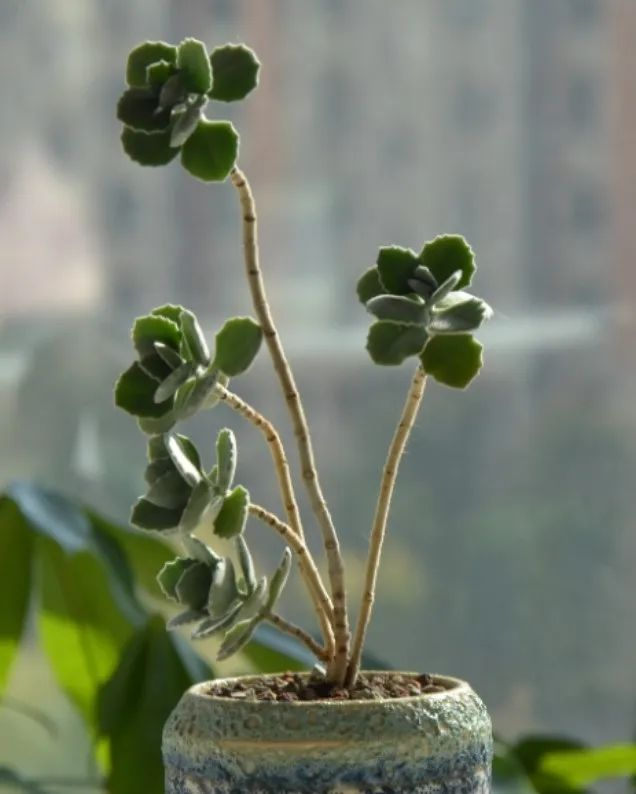
Demobilizers: releases of volatile substances contain special acne compounds with natural detoxification for mosquitoes。
Conservation elements: vagina-resistant but more fragrance when there is sufficient light, water is to be poured until the surface is dry, and winter temperatures are above 5°c。
Roller
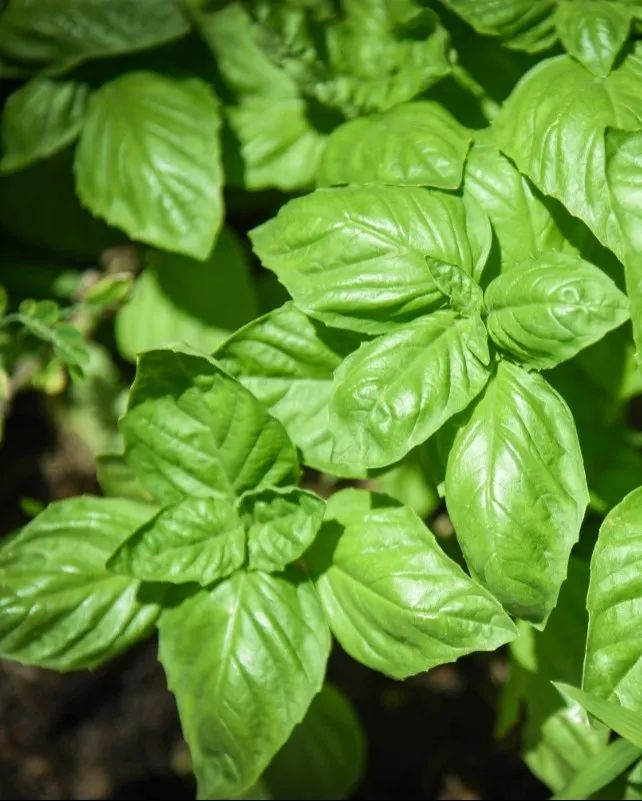
Insecticidal composition: enriched in cloves and aromatic alcohol and also delicious kitchen vanilla。
Elements for conservation: warmth, growth at 20 to 25°c, need to be carefully prevented from early flowers on a regular basis, leaves are readily available, and aphids are vulnerable to treatment。
Zenium
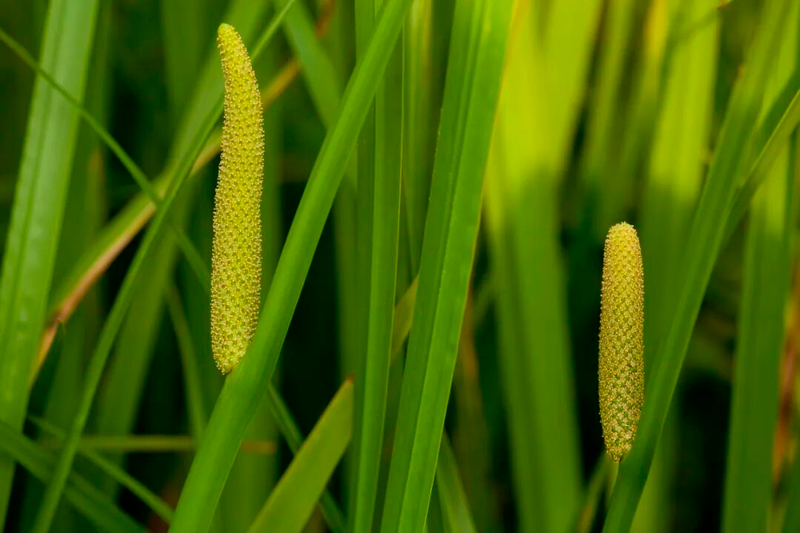
Ethylene-dioxin (approximately 3. 5%), toxic to mosquito larvae。
Conservation elements: cultivation of aquatic or wetland, keeping root inundation; cold resistance。
Dry lotus
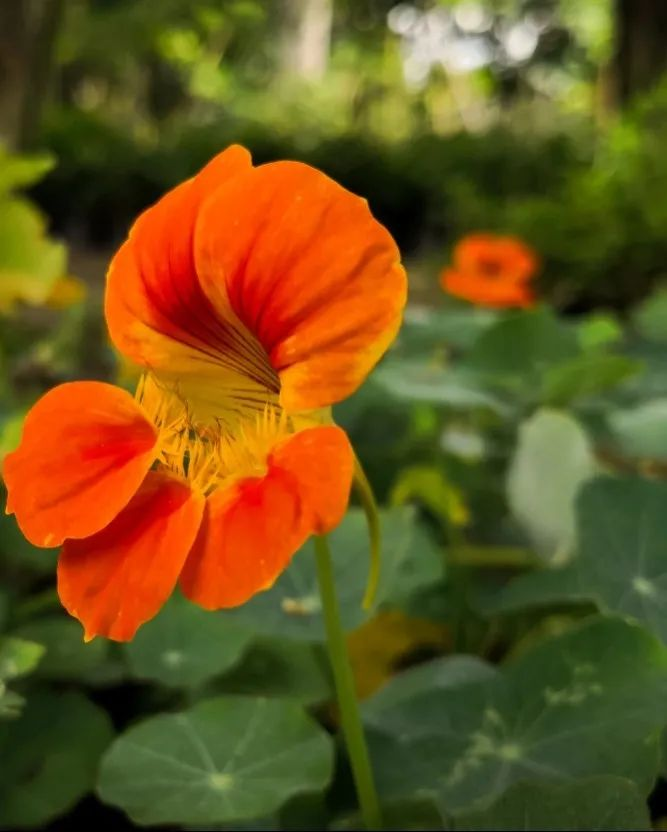
Insecticidal ingredient: containing thiothiothiocyanate, which eludes insects and inhibits incubation。
Conservation features: coolness, high temperatures, sowing breeding, support and support, and regularly picking flowers。
Pepper
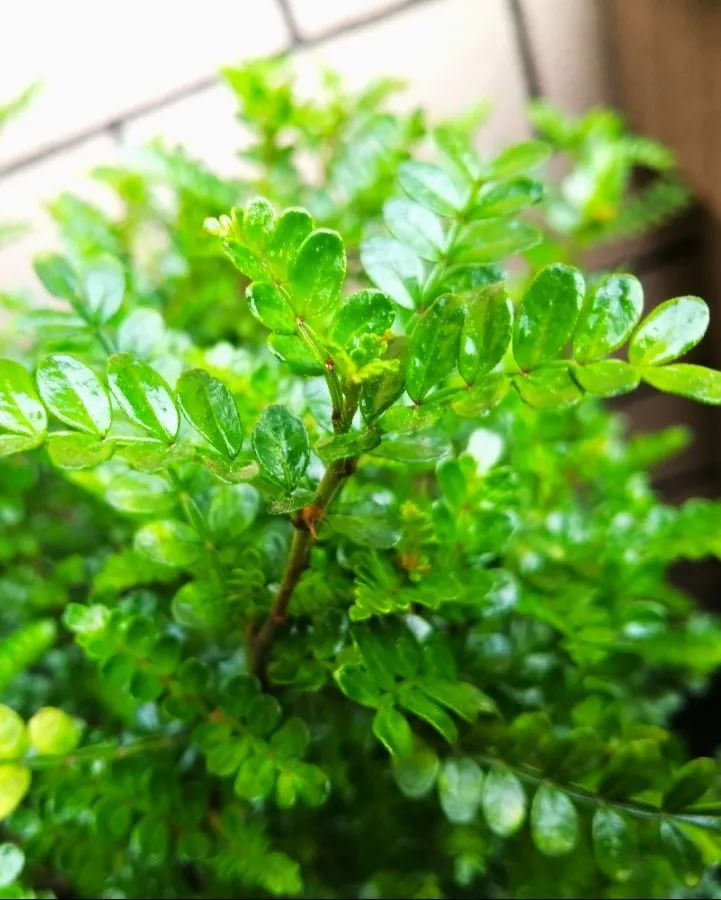
Insect repellent composition: contains components such as lemon and lunar glycol, which are detached from a wide range of insects and are particularly suitable for increasing mosquito repellent effects by mixing with ornamental plants。
Conservation elements: be resilient, cold and drought-resistant, need adequate light, be resistant to trim, sow in the spring or interpolate, and harvest fruit for spices。
O'america
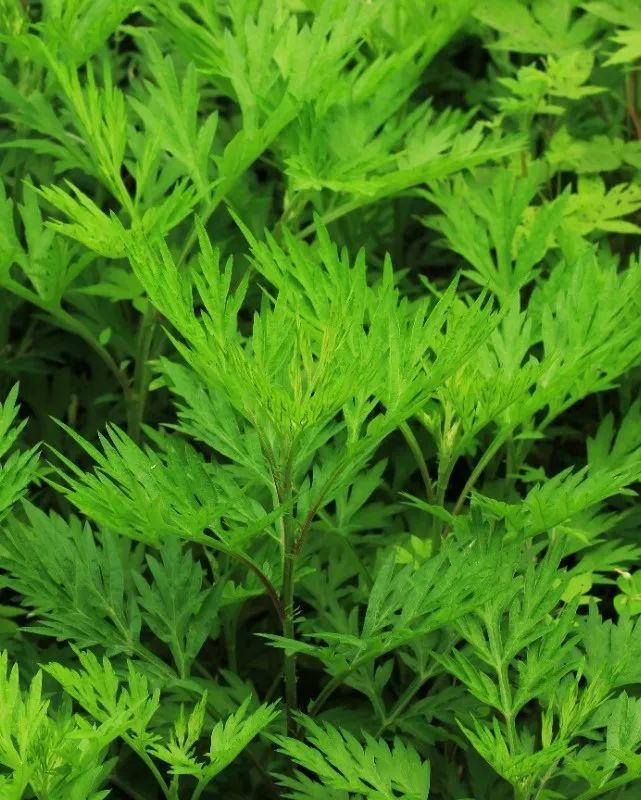
Demobilizers: containing neplyphine, sorghum and adhesive。
Conservation features: infertile, full-day photos, dry harvest and conservation in autumn; breeding in separate strains。
Part. 02 cultivation programme
Backdoor/port park
Characteristics: the need to balance appreciation with practicality。
Recommended plant:
1. Upper layer: nine li each; pepper wood。
2. Mid-level: white flower pyrethroids; rosemary; alegrass / wild artemisinin。
3. Lower floors: 10,000 chrysanthemums; mints; zirconium。
4. Decorations: rosemary。
Matching skills:
1. Entry area: nine litens + white pyrethroids + 10,000 pyres。
2. Rest zone: pepper wood + rosemary + mint combination。
3. Boundary area: alegrass + plasma forms a protective belt; white pyrethroids (rapid excavation) + alegrass (long volatilisation), suitable for high-prevalence mosquito vector areas。
Tent/roof garden
Characteristics: container planting, limited space。
Recommended plant:
Three-basket method:
Primary basin: mosquito/white pyrethroids (core insecticide)。
Tighten the basin: crumbs of bumps (supplemented decapitation of mosquitoes)。
3. Picking basins: mints/lore (e. G. + mosquito repellent)。
Matching skills:
(c) placing: in a triangle to expand the volatility。
A combination of “extermination + avoidance”: pyrethroids (exortion) + mints/ rosemary (excusion), forming a dual line of defence。
A combination of fragrances: mosquito-expulsive + rosemary + roller, with visual, edible and mosquito-exist functions。
Office space and public space
Feature: low maintenance, clean air。
Recommended plant:
Three-basket approach to office space:
1. Primary basin (focal anti-flammation core): mosquito/white pyrethroids (window or desk)。
2. Auxiliary basin (smellings): mint/romeda (tip or rest zone)。
3. Dotted basins (aesthetic + mosquito repellent): touch the scent (front or bookcase)。
Public regional groupings:
1. Entry point: nine lias (green fence) + 10,000 pyres (flower table) + white flower pyres (basin plant)。
2. Corridors/passways: rosemary (dry-resistant plant) + aygrass (safflicted cysts)。
3. Rest area: mint (water) + touch。
Matching skills:
1. Light management: white flower pyrethroids, chrysanthemums need sufficient sunlight and office areas need to be near windows。
Smell control: alegrass, fragrance, suitable for a well-ventilated public area。
3. Periodical replacement: mosquito repellents decrease over time and new plant replacements are recommended for 3-4 months。
Park green
Characteristics: large-scale cultivation requires landscape effects。
Recommended plant:
1. Core insecticide-treated plants are recommended: white flower pyrethroids; alegrass; and vasectomy。
2. Mid-level blending: nine li each; rosemary。
3. Lower-level blending plants: mints; zirconium。
Matching skills:
1. Entry mosquito-exposed area: nine ris (green fence) + pyres (lower level) + 10,000 pyres (side)。
2. Rest zone protection: alegrass (background) + rosemary (constructed bush) + mint (land cover)。
3. Aquatic scenes and mosquito-resistant areas: zirconium (waterside) + mint (onshore) + pyrethroids of white flowers (outside)。
Periphery of water (ponds/drains)
Characteristics: priority areas for mosquito breeding。
Recommended plant:
Pills; mints; fragrances; pyres; pyrethroids。
Matching skills:
1. A mosquito-dispersed belt on the edge of the pond:
(1) subsistence water zone: zirconium (3-5 series per ym)。
(2) onshore: shantang + 10,000 saucys (30 cm interval)
(3) periphery: + rosemary (dry zone)。
Drainages:
(1) trench edge: mint (control of growth range)。
(2) trench route: pepper wood (resisting green fences)。
(3) periphery: alegrass (which, after drying, can be fertilized)。
Under bridge space
Characteristics: inadequate light and easy to accumulate water。
Recommended plant:
Plumbing; mint; white flower weeding; alegrass; pepper wood。
Matching skills:
1. Low-lying areas under the bridge:
(1) core plant: zirconium (light water zone) + mint (humid soil)。
(2) auxiliary plants: chrysanthemum。
2. On both sides of the lower walkway:
(1) core plant: pepper wood (green fence) + white flower pyres (lower layer)。
(2) auxiliary plant: rosemary (dry resistant)。
3. Low ventilation areas under the bridge:
(1) core plants: aquagrass (crowding) + wild artemisinin (option)。
(2) auxiliary plants: crumbs (tips)。
Part. 03 scientific mix and attention
1. Component synergy: selection of combinations of plants containing different insecticide-treated active ingredients (e. G., mint alcohol, samool, alpha-triple phenol, etc.), expansion of the mosquito-existing spectrum and retardation of mosquito resistance
2. Ecological staggering:
(1) hydraulic demand mix: a combination of aqueous (aquatic) and rosemary (dry) cultivation, adapted to different humidity environments
(2) vertical spatial stratification: 9 lias, peppers (bush layer) and chrysanthemums, pyrethroids of white flowers (grass floor)
(3) prescription coverage: 24/7 protection is achieved by mixing quick effect mints (to touch releases the scent), long effect alegrass (to keep volatilizing) and night-to-night anti-smoke sulfur (to treat flowers)。
3. Functional complementarities:
(1) episode of the larvae: 菖蒲 (inflammation of aqueous mosquitoes) + 10,000 chrysanthemums (insect deworming of the root causes)
(2) insecticidal evasive: rosemary (influencing smell) + mosquito repellent (inflammation)
(3) landscape beautification: nine riises (green fence) + dry golden lotus (light flowers) + lemon bee herb (aromatic), taking into account practicality and appreciation。
4. Avoidance of taboos:
(1) mints and roller to avoid neighbouring cultivation (easily transmitted aphids)
(ii) water not shared with the dry lotus (the dry lotus reserves) and the need to ensure the flow of water in the plantation areas
(3) the fragrance of the night is strong and needs to be planted in open air。
Vigilance against “simplified mosquito repellents”:
(1) pigcage grass, while capable of feeding insects, has a very small range of effects and may become a mosquito spawning site in wet heat
(2) lavender living strains are less effective in treating mosquitoes and need to be processed into fine oil to achieve an effective rate of exclusion。
I'm sorry



