A summary of our intellectual property protection system: this document describes the importance, development history, main elements and achievements of our intellectual property protection system, analyses the current challenges and makes recommendations for further improvement of the intellectual property protection system, with a view to exploring in a comprehensive and in-depth manner the system of intellectual property protection in the country, promoting its continuous optimization and better stimulating innovation and economic and social development。
I. The introduction of intellectual property rights as an important expression of the achievements of human intellectual labour is of crucial importance in today's era of the knowledge economy. Increased protection of intellectual property rights has an irreplaceable role to play in encouraging innovation, promoting scientific and technological progress, promoting cultural prosperity, guaranteeing fair competition in markets and enhancing the combined power of the state. We attach great importance to the protection of intellectual property rights, continue to improve the system of intellectual property protection, and have achieved significant achievements in the creation, application, protection and management of intellectual property rights。
The importance of our intellectual property protection system (i) in stimulating innovation to create intellectual property protection systems provides innovators with an exclusive right to monopolize the economic benefits of innovation over a period of time. Such incentives can greatly stimulate innovation and encourage businesses and individuals to invest significant amounts of human, material and financial resources in technological research and development, cultural creativity, etc., thus contributing to the sustainable release of innovation and creativity throughout society。
(ii) the promotion of scientific and technological progress and cultural prosperity in the field of science and technology and the effective protection of intellectual property rights help to safeguard the value of scientific research, attract more resources for scientific research, accelerate the transformation and application of scientific and technological achievements and promote industrial upgrading and technological progress. In the field of culture, the protection of intellectual property rights protects the interests of creators, promotes the creation and dissemination of cultural works, enriches the cultural market, meets the growing spiritual and cultural needs of the population and promotes the flourishing of cultural industries。
(iii) to safeguard fair competition in markets against unauthorized use and replication of innovation and against unfair competition. It ensures that market owners compete under fair rules, relying on their own innovative capacities rather than copycating them, and contributes to a healthy, orderly and dynamic market competitive environment。
(iv) intellectual property rights (iprs) to enhance the country's combined strength have become an important component of the country's core competitiveness. A strong intellectual property protection system can attract international innovative resources and upgrade the position of the state in the global innovation landscape. At the same time, the creation and application of intellectual property rights can lead to the development of relevant industries, increase economic value added and enhance national economic power and international influence。
3. In the initial stages of the development of our intellectual property protection system (i) the establishment of a new china (after the establishment of the new china and before the reform and opening of the new china), the country began to attach importance to the protection of intellectual property rights (iprs), and successive laws and regulations on the protection of intellectual property rights, such as the provisional regulations on the registration of trademarks, were promulgated, thus laying the initial foundation for the protection of intellectual property rights. However, due to the limited level of economic and social development at the time, the system and practice of intellectual property protection systems was relatively simple。
(ii) the gradual improvement phase (before the opening of the reform to wto) has been accompanied by rapid economic growth and growing demand for intellectual property protection. During this period, a series of laws and regulations on intellectual property rights, such as those on patents, trademarks, copyrights, etc., were drawn up and amended, initially establishing a more complete legal framework on intellectual property rights. At the same time, the institution of the administration of intellectual property has been strengthened, and intellectual property protection has gradually been put on a normative and legal footing。
(iii) following the accession to wto of the comprehensive and deepening phase (accession to wto to date), our country has further refined its intellectual property protection regime in accordance with international rules. Laws and regulations have been amended to improve the level of intellectual property protection and reduce the gap with international standards. Intellectual property law enforcement has been strengthened, inter-sectoral collaborative enforcement mechanisms have been established and a series of ad hoc enforcement actions have been carried out, and intellectual property protection has achieved significant results and increased international influence。
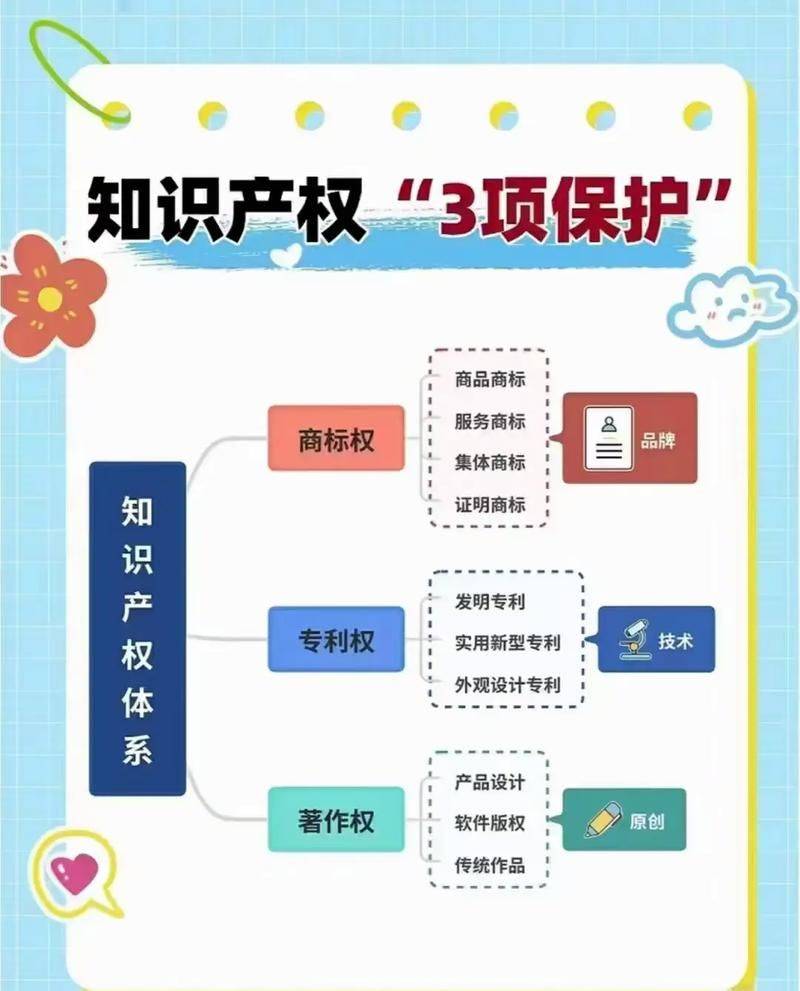
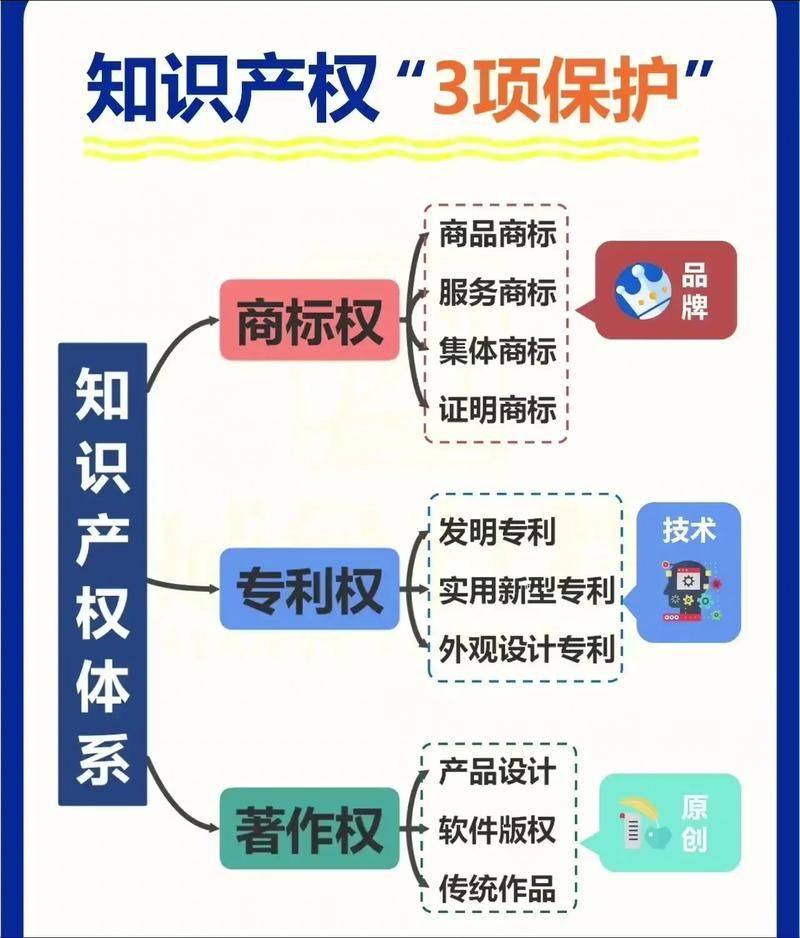
The main elements of our system of intellectual property protection (i) the patent protection system 1. The patent type is defined in our patent law as the three types of patent for invention, practical novelty and visual design. Inventions are new technology options proposed for products, methods or improvements; practical new technologies are those proposed for the shape, construction or combination of products that are suitable for practical use; and visual design is new design that is beautiful and suitable for industrial applications in the form, pattern or combination of colour and shape of products. 2. The applicant for the patent application and approval procedure submits the patent application documents to the national intellectual property agency, including the request, instructions, claims, charts accompanying the statement (applicable to inventions and practical innovations). A preliminary examination (for practical new and visual design) or a substantive examination (for invention) is carried out after admission by the national intellectual property agency. Subject to review, patent rights are granted and publicized. 3. The duration of patent patents is 20 years for inventions of patent duration, 10 years for practical new types of patents and 15 years for patent rights of visual design, calculated from the date of application。
(ii) trademark protection system 1. Applicants for trademark registration apply to the trademark office for trademark registration, which conducts formal and substantive review of the application. Following a review of conformity, it is preliminarily validated and published. If the notice expires without objection or objection, it is approved for registration and issued with a trademark registration certificate. 2. The right of a trademark holder within the scope of trademark protection to have exclusive use of a trademark is protected by law. The right to exclusive use of trademarks is limited to authorized trademarks and authorized goods or services. The use of the same trademark in the same commodity without the licence of the trademark holder, or the use of a trademark similar to the trademark in a similar commodity, which can easily lead to confusion, as well as the sale of goods that violate the right to exclusive use of the trademark, are violations. 3. The period of protection of trademarks is ten years from the date of registration. It may be renewed for a period of ten years each time。
(iii) system for the protection of copyright 1. Copyright belongs to the author or, in the absence of proof to the contrary, to a citizen, legal person or other organization under whose signature the work is written. However, in certain exceptional cases, such as work performed in a position of office, commission of work, etc., the attribution of copyright is otherwise provided. The content of copyright includes personal rights and property rights. The right to freedom of expression, the right to sign, the right to modify and the right to protect the integrity of the work, the right to reproduction, the right to issue, the right to rent, the right to exhibit, the right to perform, the right to show, the right to broadcast, the right to disseminate information networks, the right to film, the right to adapt, the right to translate, the right to compile, etc. 3. The period of protection of the author's right to the signature, the right to modify and the right to protect the integrity of the work is unlimited. A natural person's right to publish, to have his or her property protected for the author's life and 50 years after his or her death, until 31 december of the fifth decade after his or her death, and, in the case of cooperative works, 31 december of the fifth decade after his or her death. The protection of the right to publish is 50 years, until 31 december of the fifth decade after the completion of the work; the protection of property rights is 50 years, until 31 december of the fifth decade after the first publication of the work, but no more than 50 years after the completion of the work. Film works and photographic works created in a similar way are protected for a period of 50 years, up to 31 december, the fifth decade after their first publication, but not after the completion of their own creation。
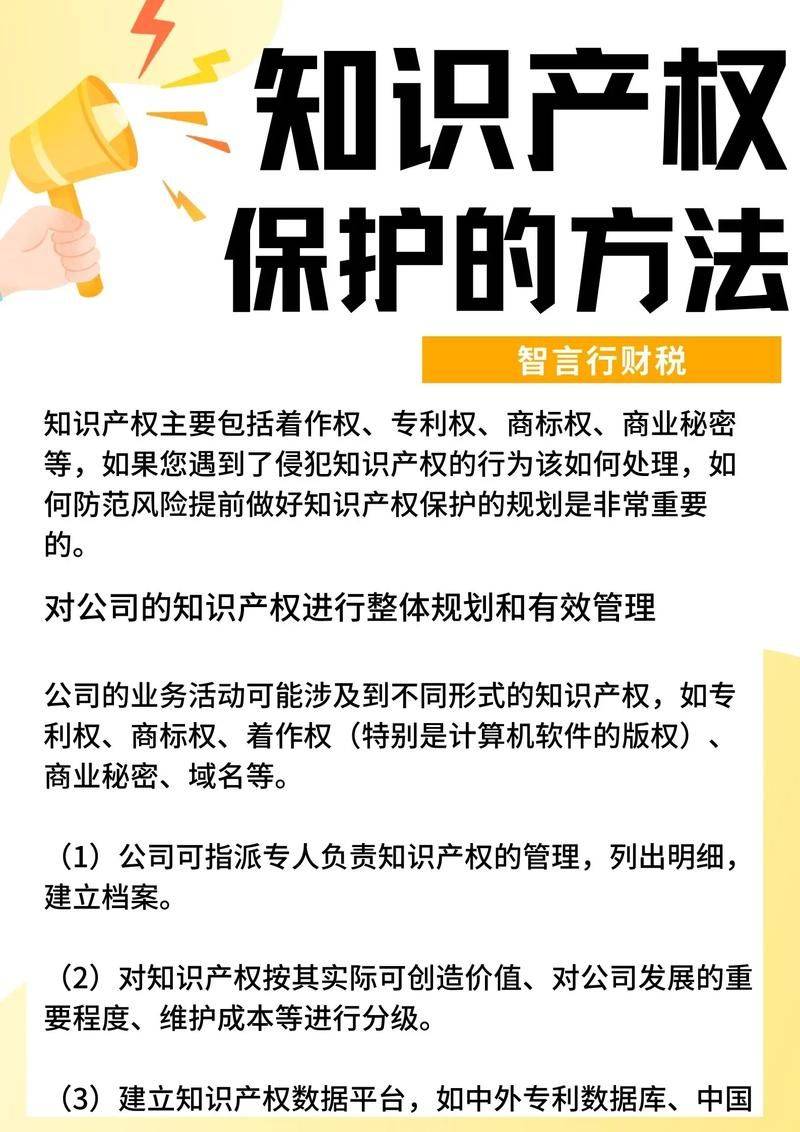
(iv) commercial secrecy is defined as technical information, business information, such as information that is not known to the public and that is of commercial value and that is subject to appropriate confidentiality measures by the person entitled to it. 2. Violations of business secrets and legal liability include obtaining the business secrets of rights holders by theft, bribery, fraud, coercion, electronic intrusion or other improper means; disclosing, using or allowing others to use the business secrets of rights holders obtained by previous means; and disclosing, using or allowing others to use the business secrets held by rights holders in breach of the duty of confidentiality or the requirements of rights holders for the preservation of business secrets. Perpetrators should be held civilly liable for cessation of the violation, exclusion, elimination of danger, return of property, compensation for damages, etc.; they should be held criminally liable in accordance with the law if they constitute a crime。
V. The effectiveness of our intellectual property protection system (i) the significant increase in the creative capacity of intellectual property in recent years has consistently placed our patent applications and authorizations among the highest in the world. Businesses and universities and scientific institutions are becoming more and more innovative, and the patent distribution in core technology areas is becoming more sophisticated. Trademark registrations have also continued to grow at a high rate, with positive developments in brand-building. The number of copyright registrations has steadily increased and the original capacity of the cultural creative industries is growing。
(ii) the increasing effectiveness of the application of intellectual property rights (iprs) in increasing pledge financing of intellectual property rights (iprs), the transfer of patent licences, and the value of trademarks is becoming increasingly active. Businesses operate through intellectual property rights, maximizing the market value of innovation and promoting industrial transformation. The increasing contribution of intellectual property-intensive industries to economic growth has become an important engine of economic development。
(iii) increased and sustained protection of intellectual property rights has strengthened the interface between administrative enforcement of intellectual property rights and judicial protection and established a pluralistic dispute resolution mechanism. A series of ad hoc law enforcement actions have been undertaken to severely combat abuse and counterfeiting, and the risk of intellectual property abuse has been effectively curbed. Criminalization of intellectual property rights violations in the administration of justice is increasing, and the legitimate rights and interests of rights holders are being strongly upheld。
(iv) the increasing international influence of intellectual property rights (iprs) has increased our country's active participation in international intellectual property rule-making and has played an increasingly important role in the international intellectual property arena. The exchange of intellectual property rights with countries and international organizations is becoming increasingly extensive, and the concept and practice of intellectual property protection in our country is widely recognized by the international community。
Vi. The challenges facing our intellectual property protection system (i) continue to be frequent violations, which continue to occur despite our increasing intellectual property protection. Abuses in some areas are more subtle and complex, and the continuous renovation of means of abuse, such as cyber-violation, cross-border abuse, etc., makes intellectual property protection more difficult。
(ii) awareness of the importance of intellectual property protection needs to be raised among some enterprises and the public, and there is a sense of abuse. Some enterprises lack strategic planning for intellectual property rights, do not value the creation and protection of their own intellectual property rights and tend to ignore the intellectual property rights of others。
(iii) the intellectual property protection system is lagging in some respects with the emergence of new technologies, industries and industries. For example, intellectual property protection rules in emerging areas such as artificial intelligence, big data and block chains need to be further clarified and refined。
(iv) against the backdrop of increased international intellectual property competition, my country faces high-end intellectual property pressures from developed countries. Some countries have tried to limit technological innovation and industrial development of their enterprises by strengthening rules for intellectual property protection and setting up trade barriers。
Vii. Recommendation (i) to improve the system of intellectual property protection in the country by (i) strengthening the control of abuse and further improving the criteria for judgement of intellectual property abuse, and by (i) strengthening administrative enforcement and judicial coordination to improve the efficiency and quality of investigation of cases of abuse. (c) increase penalties for violations, increase the cost of violations and create an effective legal deterrent. Strengthening the regulation of violations in emerging areas, such as networks, and establishing a robust rapid response mechanism。
(ii) increased awareness of intellectual property rights protection and awareness-raising campaigns on intellectual property rights for society as a whole. Increased training on intellectual property rights for enterprises, leading them to strategic thinking on intellectual property rights, encouraging them to increase intellectual property investment creation, and strengthening their intellectual property management and protection。
(iii) to improve the system of protection of intellectual property rights and to adapt and improve intellectual property laws and regulations in a timely manner to the needs of new technologies and industries in order to fill institutional gaps. Strengthen forward-looking research in the area of intellectual property rights and develop intellectual property policies and rules adapted to future trends。
(iv) actively respond to international intellectual property competition and strengthen research and follow-up of international intellectual property rules, actively participate in international intellectual property rule-making processes and defend the legitimate interests of our enterprises. The internationalization of intellectual property rights by enterprises is encouraged to enhance our voice and competitiveness in global intellectual property competition。
Viii. It is concluded that our system of intellectual property protection, which has evolved over the years, has achieved remarkable achievements and played an important role in stimulating innovation and promoting economic and social development. However, our intellectual property protection system still needs to be improved and optimized in the face of changing domestic and external circumstances. By strengthening abusive governance, raising awareness of protection, improving institutional systems and responding to international competition, we will further raise the level of intellectual property protection, provide stronger guarantees for the further implementation of innovative-driven development strategies and drive our country towards new steps in the global competition for innovation。