It's not a small matter for fire protection in the countryside
It's easy if you don't notice
For everyone's life and property
We must be vigilant
We don't build wood and grass, we don't use fire
Out of the house and out
Be careful, one less danger
Fire in rural areas
It's very likely to spread
We need to keep fire awareness in mind
Prevention of non-combustion
What should be the focus of rural fire prevention
The following rural fire safety alerts must be known:
What are the causes of rural fires
1. Use the open fire. In rural areas, there is a habit of cooking and heating with firewood, which can be triggered by an inadvertent failure to put out in a timely manner, and the risk of fire is further exacerbated by the random pile of wood and grass。
Electricity is not regulated. The daily use of electricity is irregular, and there is a serious problem with the wiring, ageing and looseness of the connection。
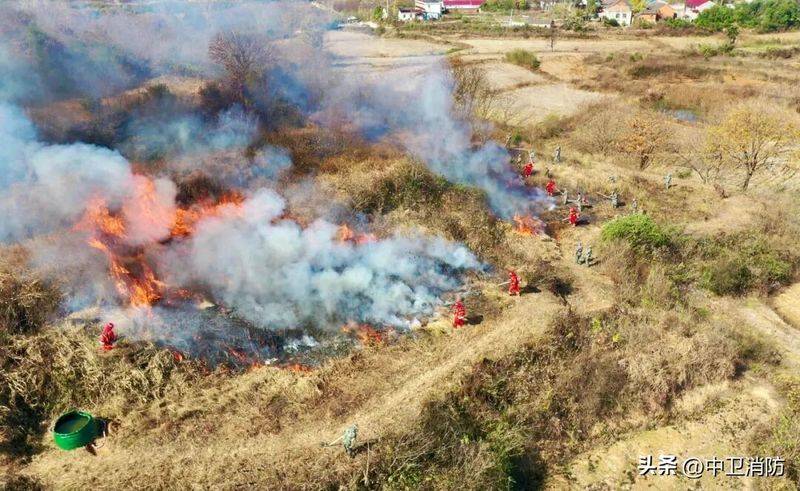
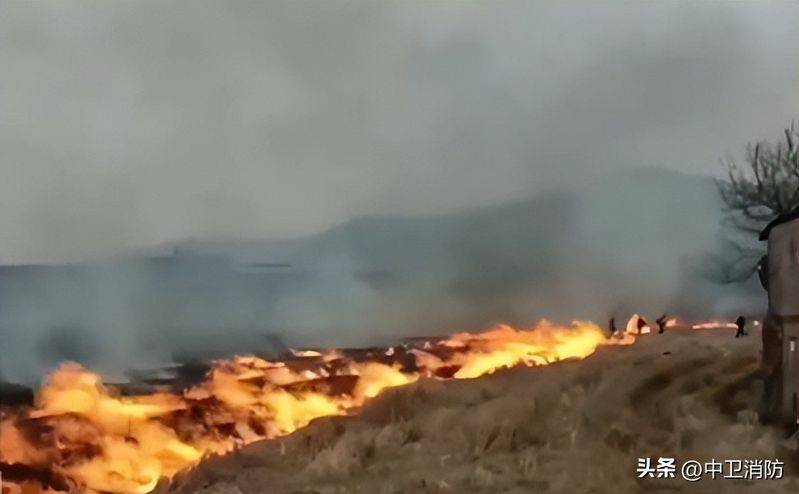
Burning causes fires. During the burning of straws, straws and leaves in the field, when the wind blows, it is easy to lose control of the fire, causing large areas to ignite flammable surroundings and then fires。
4. Lack of awareness of fire safety. The majority of the elderly, children or groups in rural areas, such as those with limited mobility, lack general knowledge of fire safety and the ability to escape。
5. Poor infrastructure. There is a low level of fire-resistant construction in rural areas, a lack of fire-fighting water sources, and most houses and plastic sheds are not equipped with the necessary fire-fighting and life-saving equipment。

Low level of fire resistance in rural housing buildings
Massive accumulation of flammable materials such as straw and firewood
More fire, more electricity, more gas
Very prone to fire
Rural fire alert
Learn together
Zenium
Rural fire safety tips
1. When cooking firewood, do not leave a person before the stove has been boiled, and the ashes of rice and firewood that have been burned in the stove are not scattered anywhere to prevent the "regeneration of dead ashes". In densely populated villages, fire caps or boards should be added to the chimney, ash-filled within the chimneys must be removed, and flammable items should not be stacked around the chimney。
2. To regulate the use of electricity, not to divert electrical lines, and not to increase the line load at will. Electrical plugs should be removed in time for power outages and electrical circuits should be kept as far as possible away from combustible, flammable articles。
3. Pesticides and fertilizers shall be kept in good custody. Because of the variety and nature of pesticides and fertilizers, some pesticides and fertilizers react chemically together, lose their weight and explode, causing fires. Consequently, pesticides and fertilizers cannot be mixed or mixed。
4. It is essential to strengthen the management of fire-fire electricity in rural areas, such as chickens, ducks and pig farms, as well as in huts where vegetables, flowers and plants are grown, especially in the form of plastic sheeting, straw curtains, foam conservancy, etc., at a certain distance from heating pipes and electric circuits。
5. To strengthen fire prevention measures in rural temples or traditional festivals by not burning fragrance paper in the vicinity of flammable explosive units (sites) such as trees, grass and grains, cotton, oil, material stores, etc. Organization of patrols to prevent fires
6. Smoking is strictly prohibited in areas of life, in the fields of grass and in the vicinity of sheds in order to prevent fires from arising from the use of unsuspected fireworks and matches. In particular, a single pile of wood and grass must be set up to eliminate the source of fire and prevent the burning of the camp. The piles of straw and wheat straw are constantly checked for temperature measurements to prevent spontaneous combustion in high temperatures。
7. Strengthen fire safety education for vulnerable groups such as the elderly and children. Parents need to place hazardous materials such as matches, lighters, etc., where children are not easily accessible, and prevent children from increasing their fire safety awareness campaigns for vulnerable groups such as the elderly and children. Parents are required to keep dangerous items such as matches, lighters and so forth in places where children are not easily accessible and to prevent children from playing with fire。