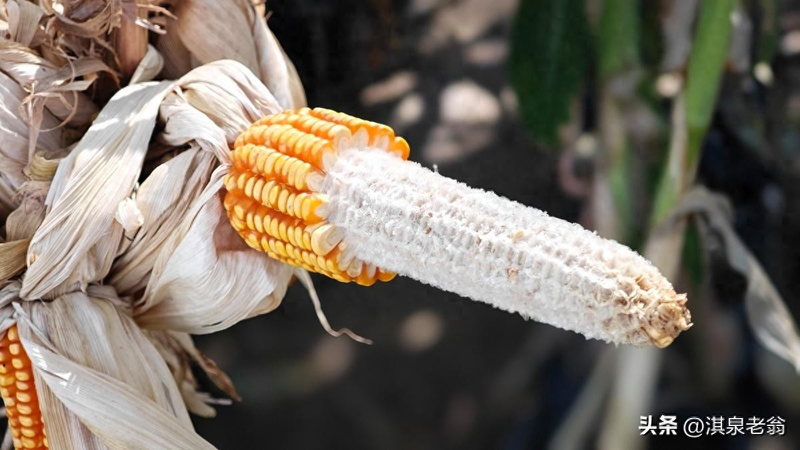
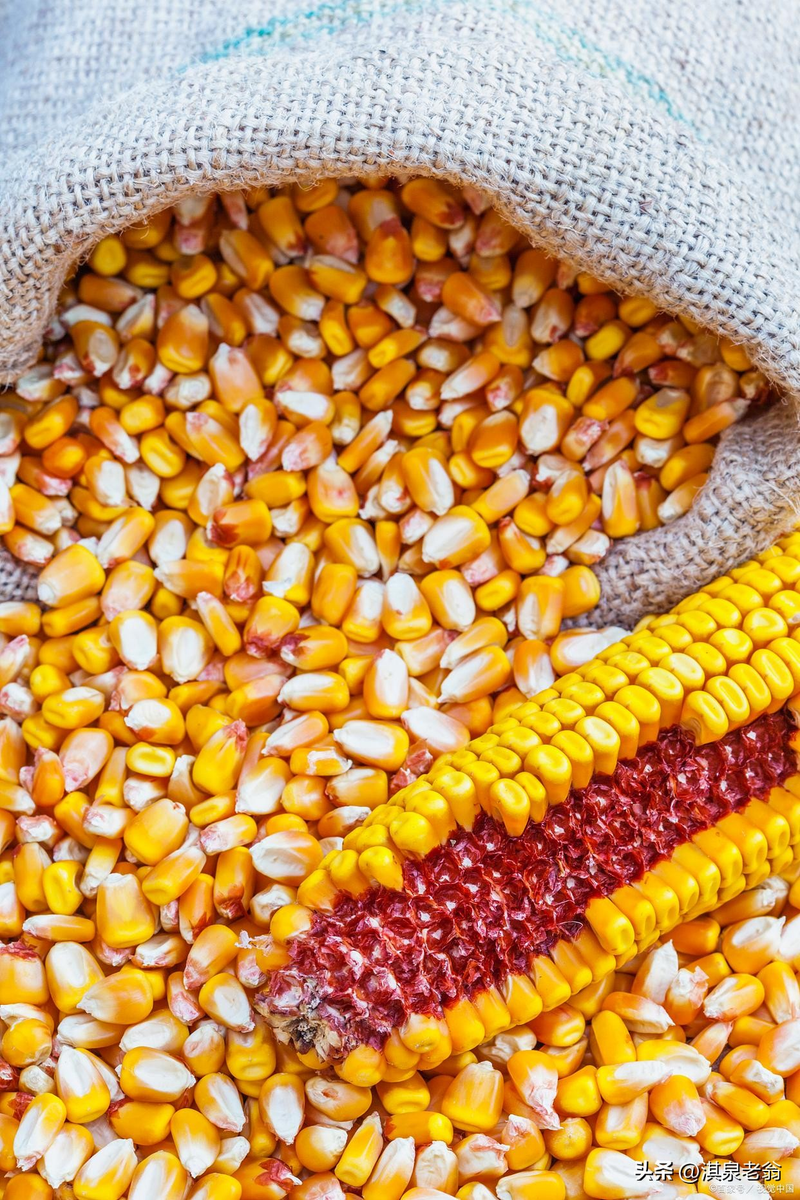
In the selection of spring maize varieties, white-axis and red-axis maize display different growth characteristics, environmental adaptability and production performance due to genetic differences in the cog colours, which have long been the focus of growers' attention. In fact, there are no absolute advantages or disadvantages between the white axis and the red axis of maize, and the core differences between the two are reflected in the form of plantations, resistance, seed grain properties and suitable scenes. The selection of varieties in spring maize cultivation is based on climatic conditions, soil fertility, management levels and production needs in the area where they are grown, so that the characteristics of the varieties are accurately matched with the conditions in which they are grown. This paper will provide a scientific reference for the selection of the varieties of the white-axis and red-axis maize varieties, the environmental suitability requirements for the cultivation of spring corn, the principles of selection of varieties and supporting techniques。
I. Differences in core species characteristics of white axis and red axis corn
The corrosive colours of the white axle and the red axle corn are genetically determined and are the visual genetic characteristics of the maize species, which are directly related to differences in plant patterns, physiological characteristics and agronomic performance, and studies at the chinese university of agriculture have confirmed that the cortex colours are significantly related to the critical agronomic properties of maize seed particle dehydration, fertility periods, and the efficiency of nitrogen use, which are important grounds for the selection of spring maize varieties。
(i) varieties of red-axis maize
Red axis maize is one of the dominant varieties in the current spring maize cultivation, represented by such varieties as pioneer 335, haeing to the sea 605, rich 303 and good jade 99, and its core characteristics are concentrated in combination resistance, tolerance, good seed grains and rapid dehydration. In the form of plantations, the red axial maize is mostly compact in size, with up-swipe blades and small male ears, with a good ventilation in the field, providing the basis for high-density cultivation, making full use of land and light resources to increase production per unit, and with a significant potential for increased production in the high-water fertilized plots in the main areas of spring maize, such as the north-east and north-west. In the area of resilience, the red axial maize has a strong and well-developed roots, is highly resistant to inversion, is effective against severe weather conditions such as wind and rain in the later stages of spring maize growth, and is relatively resistant to common leaf diseases such as big and small diseases, which reduce the risk of loss of production from the disease。
The seed grain properties are the core advantages of the red-axis maize, whose ears are in a barrel, which are thinner and deeper, which are not fragile during the defecation process and are suitable for mechanized harvesting and processing; seeds are dehydrated at a high rate and have a significantly lower water content than the white-axis species during maturity, and can be stored without long periods of sunning after harvesting, significantly reducing the risk of seed corrosiveness and sprouts, especially for size and mechanized cultivation patterns. In addition, the red-axis maize seed grains, which are mostly rigid in form, have high horny content and heavy capacity, and most varieties weigh thorium 720 g/l, meet quality standards for the acquisition of merchandise grains, have a strong market price advantage and have high energy intensity of seeds, and have high economic value as feedstock for feed。
The limitations of red-axis maize are also significant, either because they are less resistant to high temperatures, because of the persistence of high temperatures during the pollination of spring maize, their susceptibility to abnormal pollination and poor femininity, leading to phenomena such as baldness, lack of grains and deformities, which affect the stability of production; or because of the stringent conditions required for water fattening, which makes it difficult to realize the productive potential of varieties when they are planted in low- and medium-water fertilized plots, or when the supply of field fertilizers is inadequate, with the potential for a reduction in the abundance of seed grains and in the weight of thousands of grains; and because the seed yields for some of the red-axe maize varieties are slightly lower than for white-axe varieties, with a slightly lower yield of seed grains at the size of the same fruit lobe。
(ii) varieties of white-axis maize
The white-axis maize, which is represented by zheng single 958, zheng yu 16, welco 702, and dredging 20, is the traditional dominant species of the yellow sea basin and parts of the northern spring corn-producing areas, with its core characteristics being wide adaptive, resilient, productive stability and diversified seed use. In plant form, white-axis maize is mostly a compact or semi-crigid strain, leaves are much wider and denser than red-axis corn, with more male branches. Although it is slightly less resistant to red-axis maize, high-density cultivation is prone to low ventilation and high morbidity, it is highly productive in rare or medium-intensity, with a flatness of fruit ears and a low degree of baldness。
In terms of resilience, the central advantage of white-axis maize is high temperature resistance and overall disease resistance, which is much stronger than red-axis maize during its continuous high temperature during the pollination of spring corn, which can effectively reduce bald, flowering and yield stability in regions with high climate variability and high temperature during pollination. At the same time, white-axis maize has a strong resistance to endemic diseases such as tuberosis, filariasis and southern rust, with a wider spectrum of resistance and excellent performance in high-wetttting and heavy tracts. In addition, white-axis maize is more resistant to water fertilizer conditions and, even when grown on low- and medium-water fertilized plots, without refined management of water fertilizers, is able to maintain a better growth pattern and is less prone to a significant reduction in production due to fluctuations in environmental conditions and is the preferred type of coarsely managed plots。
The seed grains of white-axis maize are characterized by a variety of production needs, with a high axle size and seed yield rate of not less than 85 per cent for most varieties and a high seed yield rate of 300-350 grams, with a significant degree of stability of production in thousands of grains at a rate of 300-350 grams. Under the same conditions of cultivation, yields are significantly more stable than the red-axis corn; seeds are mostly hard or semi-martialed, with soft tastes and relatively high levels of starch, not only for sale as a commodity food, but also for a variety of uses such as food, starch processing and ethanol manufacture. In addition, nitrogen use efficiency is unique in white-axis maize, with a higher nitrogen concentration than in red-axis species during the filament period, a more efficient use of nitrogen nutrients in soil, and a better growth performance under low nitrogen fertilization conditions, consistent with fertility-efficient agricultural production trends。
The short panels of white-axis maize are mainly shown in three areas of low invertability, slow seed dehydration and low insinuation: they are densely planted, are less ventilated in the field, have a weaker endurance, have a higher risk of falling in the wind and stormy weather than in the red-axe corn, especially in high-density or over-fertilized plots; they are slow in dehydration, have a higher water content after harvesting and increase storage and processing costs if they are not prepared in a timely manner; and they are less resistant to the difficulty of increasing unit yields through dense planting, and have a lower potential than the red-axe corn in high-water, finely managed plots。
Ii. Environmentally appropriate requirements for varieties for the cultivation of spring maize
The area in which spring maize is grown is concentrated mainly in the north-east, north-west, north-west and south-west of the country, with significant differences in climatic conditions, soil fertility and farming systems between different regions, with different requirements for the resistance of maize varieties, fertility periods, seed grain properties, etc. The differences in the properties of the white axis and red axis corn are quite different from those of the regions, which are the central prerequisites for the choice of spring maize varieties。
(i) adaptation requirements for climatic conditions
Climatic differences in the area where spring maize is grown are mainly reflected in temperature accumulation, precipitation and pollination temperature. The main area of north-east spring maize production has low temperatures, relatively short periods of fertility and relatively low temperatures during pollination, but it is prone to severe winds and storms in the post-growth period, with high invertability to varieties, high requirements for early maturity, the resilience of red-axis maize, its pre-literate properties and rapid dehydration properties, which are highly appropriate for the region's climate needs; the north-west corn production area has sufficient light and heat resources, high temperatures and high soil fertility, suitable for high density and finely grown, with the full potential for red-axe maize resistance and abundance, with less precipitation in the region, low seed fallout risk and a higher commercial advantage for red-ax corn。
In the southern part of china and the yellow sea basin, spring maize cultivation areas are characterized by high temperatures and continued high temperatures during pollination, with high precipitation during the summer, high field moisture levels, high temperature resistance and disease resistance requirements for varieties, high-temperature pollination advantages for white-axis maize, broad spectrum resistance to disease, effective response to the region's climate risks and stability of production; the south-west corn-producing areas are characterized by complex terrain, climate diversity, poor water fattening and management levels in part of the area, and the broad adaptability of white-axle maize and low water fertility are more in line with the region's cultivation needs。
(ii) matching requirements for soil fertility and management levels
Soil fertility and crop management levels directly determine the performance of species characteristics. The main areas of spring maize production, such as the north-east pine plains, the plains of the liao river, the north-west plains, which are rich in soil fertility and water preservation, are highly grown on a scale, and have finely refined conditions for water fertilizer management and mechanization. Such plots give preference to red-axe maize, which can achieve high productivity efficiency by achieving its full productive potential through sound planting, scientific water fertilisation and control。
(iii) matching requirements for production with market demand
The demand for the production of spring maize is divided into the production of food for commodities, forage production, processing production and fresh food production, with different requirements for seed varieties. When the aim is to scale food production, the commercial and market advantages of seed grains are pursued, with red-axis maize becoming the preferred choice because of its high capacity, colour and dehydration; when feed production is predominant, the energy density of red-axis maize seed seeds is more in line with the demand for feed processing; and when industrial processes such as starch, ethanol or fresh food are targeted, the advantage of white-axis maize starch content is more pronounced. In addition, if growers seek “light management, steady returns” and do not need to invest too much human and material resources in field management, white-axis maize is a more secure option; if growers have sophisticated management capacity and wish to maximize production through scientific cultivation, the increased production potential of red-axis maize is more worthwhile。
Iii. Principles for the selection of white-axis and red-axis varieties in spring maize cultivation
Combining the characteristics of the white-axis and red-axis maize varieties with the environmental requirements of the spring maize production areas, the selection of the spring corn varieties should be based on the four core principles of geographical suitability, suitability for condition, suitability for demand, and conformity for resistance。
(i) principle of territorial suitability: fit the climatic characteristics of the growing areas
Geographical adaptation is the primary principle in the selection of spring maize varieties, with the core being the selection of varieties that match the resistance and climate characteristics based on the temperature of the growing area, the temperature of pollination, precipitation distribution, and patterns of catastrophic weather events. In the main areas of spring maize production, such as north-east and north-west, high temperatures during pollination and heavy post-storms, preference is given to red-axis varieties that are highly invertable, pre-cooked and dehydrated, taking into account the ability of varieties to withstand large scabs; in the north-east china, the yellow sea basin and high-temperature-prone areas, preference is given to high-temperature, well-stable white-axis varieties, with a focus on the ability of the species to withstand southern rust and stasis; in the complex south-west, the south-west area of spring-coloured maize is given flexible choice based on the microclimate characteristics of the plots, high-altitude, cold-land areas are given preference to early-cooked red-ax species, low-altitude, high-temperature-high-high-hot wetlands and white-ax species。
(ii) conditionality principle: matching soil fertility and management levels
Conditional matching requires that the characteristics of the species be compatible with soil fertility, crop management levels and avoid “low management of high varieties” or “low species high input” waste of resources. High-water fertilized plots with strong soil fertility and water fertility protection, such as black land in the north-east, irrigation areas in the north-west, and with fine water fertilisation management and mechanization conditions, give priority to red-axe maize, using a dense-planting model (over 4,500 acre) to achieve its full potential for durability and abundance; low- and medium-water fertilized plots with moderate or low soil fertility and poor water fertilization, such as mountainous and hilly drylands, with management levels of thickness and lack of fine water fertilization control, give priority to white-ax corn, using medium-density cultivation (3500-4,000 acre) and using their broad adaptation to secure production stability。
(iii) the principle of demand adaptation: compatibility of productive uses with market orientation
Demand matching requires the selection of varieties based on the production use of spring maize and market demand to increase the economic benefits of cultivation. Priority is given to red-axis maize for the main purpose of marketing food commodities, which are heavy and good in size, are more favoured by food purchasers and have an advantage in market prices; red-axis maize is equally preferred for feed processing purposes, with high rigidity and energy density of seed grains and more efficient conversion of feed; white-axis maize is preferred for the purpose of industrial processing or fresh food such as starch, ethanol, with high starch content, a softer taste, more suitable for processing needs and food markets; and white-axle corn may be selected for multi-purpose uses, market price volatility and flexible direction of sales。
(iv) the principle of resilience: major pests and disasters in focus areas
Resilient matching requires varieties that are resistant to major pests and pests and catastrophic weather in growing areas and reduce production risks. In the north-east, the corn area focuses on the resistance to major scabs, filamental scavengers and invertebrates, and on the selection of the above-mentioned resistant red axis varieties; in the yellow-water basin, the focus is on the resistance to southern rust, stasis and high temperature pollination and on the selection of suitable white axis varieties; in the south-west, the focus is on the resistance to vilification, scavengers and rain resistance, and on the selection of highly resistant white or red axis varieties, depending on the condition of the plot; and in all areas of spring maize production affected by the wind, the selection of white-axis varieties requires early chemical control and mitigation measures to reduce the risk of inversion。
Iv. Accompanying techniques for the cultivation of white and red axle corn points
The choice of varieties is the basis for the abundance of spring maize, and scientific complementary planting techniques are key to the development of the characteristics of varieties. Due to differences in characteristics between the white axis and the red axis maize, there are differences in technical requirements in terms of planting density, water fertilizer management, field control, harvesting storage, etc., which require targeted management measures to achieve “good breeding practices”。
(i) rationalally constructed and structured groups
The core of dense planting is the determination of planting density based on species type and soil fertility, avoiding overdensity or under-impacting yield. Red-axis maize is highly resistant, 4,500-5,000 high-water fertilized plot acres are protected, 4,000-4,500 medium-water fertilized plot acres are protected, with symmetrical or narrow-scale cultivation to ensure ventilation in the field; the white-axe maize is less resistant, 3,500-4,000 high-water fertilized plot acres are protected, and 3,000-3,500 low-water fertilized plot acres are protected, with an appropriate increase in the range, avoiding the risk of inadequate ventilation, disease and inverting as a result of high-density cultivation. At the same time, all plots should adopt single-particle seeding techniques to increase seed rates and group alignment and to lay the foundation for production。
(ii) scientific hydrofertilizer, matching nutritional needs of varieties
Fertilizer management requires a combination of soil-based formulations, based on the demand characteristics of the species, to produce a precise nutrient supply. Red-axis maize, which is in high demand for water fattening, should follow the principles of “basic feet, fertilization and fertilization”, which are dominated by organic and potassium phosphorus fattening, which focuses on the application of nitrogen fertilizer during the loudspeaker, meeting the nutritional needs of its seed sulfur, where high-water fertilized plots can increase their fertilization as appropriate, with the application of hydro-fertilization-integrated techniques, giving priority to water solubility, with a preference to the application of sub-fertilization according to the pattern of maize growth, to the prevention of previous periods of booming and post-fertilization; white-ax maize, with relatively warmer and low-water fertilating plots, can reduce the application of fertilizer, with a focus on the recovery of fertilation during the extraction and irrigation periods, avoiding excessive nitrogen fertilization leading to an increase in the risks of plant long and fall, while emphasis is placed on the application of minor elements such as sulphur and zinc to enhance the quality of seed particles。
(iii) precise control to reduce the risk of pests and invertions
Pest prevention and control should be based on the principle of “preventive, integrated prevention and control” and should be combined with the targeting of species resistance. Insects such as red-axis maize are focused on the control of corn and cotton bellworms, which can be prevented with granulate-agent dumps or sprays during the loudspeaker, while monitoring and combating aphids and red spiders; white-axis maize are focused on the prevention of diseases such as stale and corrosive diseases, the timely removal of field strains, the rational control of field humidity, and the spraying of microbicides in the early stages of the disease. Inverted control is the focus of management of the white-axis maize, which is sprayed with controlled agents in the 7-10 leaf period to reduce the size of the corn, increase the thick tubers and increase the ability to resist the ambush; while the red-axis corn is highly resistant, it is also important that the high-density plots be protected against fallbacks and fallbacks. In addition, all spring maize plots should be equipped with seed wrappings to eliminate “white seeds” from the ground and to prevent underground pests and nursery diseases。
(iv) harvesting in due course, seeding and storage
The timing and storage of harvests are to be determined on the basis of the dehydration characteristics of the species, which will ensure the quality of seeds. The speed of dehydration of the red-axis maize seed grains, which can be harvested as soon as the seed is lost, the base is black and water content is reduced to less than 25 per cent, the mechanized field of the seed grain is subject to a reduction in the water content to less than 20 per cent and is stored directly after harvest without long periods of drying; the white-axle maize seed seeds are dehydrated at a slow rate and should be harvested with appropriate delay, pending the full maturity of the seed grains, the timely release of the seed after harvest and the reduction of the seeds by such means as sunning and drying particle water is stored below 14 per cent to prevent seed molding and germinate, and scalding plots can be equipped with drying equipment to increase the efficiency of drying。