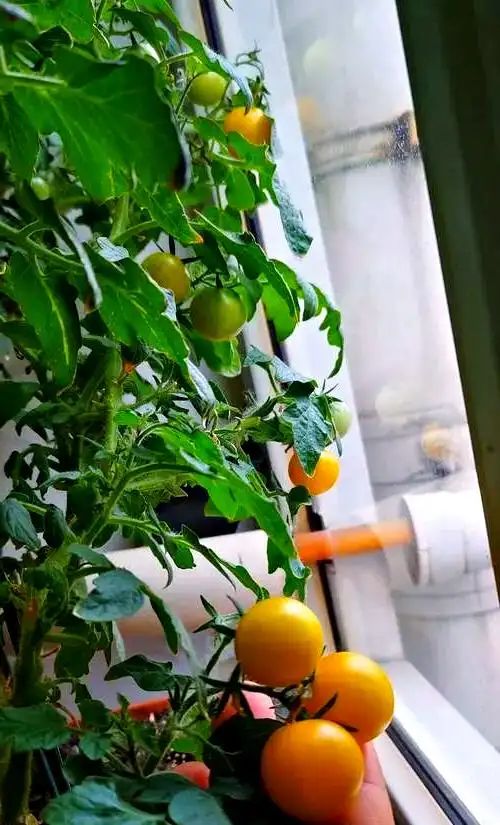
Tomatoes: this time, as long as it's dry, don't water! A lot of people have lost their harvest
Old farmers who have grown tomatoes know that tomatoes are not a vegetable, but rather a drought, and that they are the worst
By the end of spring and the beginning of summer, there is a general problem with large sheds and open tomatoes: the saplings watch the green oil grow, and they don't bloom, they don't sit
The small tomatoes, which are difficult to sit on, have a large area of fallout, a dead fruit; the late fruit cracks, hollows, acne acids, and yields are cut in the right direction。
A lot of farmers can't figure out why tomatoes don't grow well because of the fertilizers, the pesticides, the weeds
I've been working in agriculture for more than a decade, running around all the growing grounds, trying to figure out the core cat's obscurity: the vast majority of tomatoes are less productive, have poorer quality, have no shortage of fat medicine, or have been watered wrong
In particular, the critical phase before the tomatoes bloom, the first sitting fruit, remember the old farmer's truth: as long as it's dry, don't water it! The more water it gets, the less seed it gets
Many new farmers tend to feel that crops grow quickly, that the soil is flooded with water and that the soil is wet and the seedlings are raised。
This is, of course, the worst area for tomatoes and the root cause of the failure of numerous growers to produce annually。
Today, you will be able to share with you the skills of pure and dry tomato water management, without the use of professional terms, without the dazzling, without the delivery of goods, all lessons learned from field operations. New hands will know when they see it, and they will be able to fill their gaps。
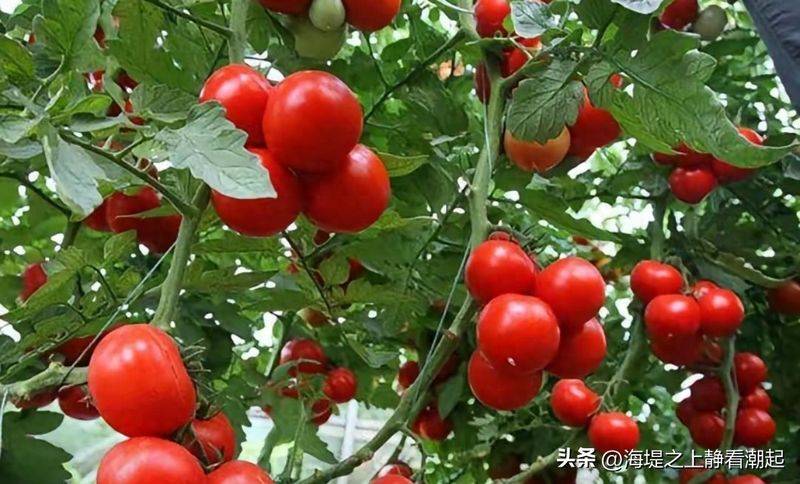
Why can't tomatoes be “dry-fed” at this stage
First of all, you have to understand that tomatoes have very different growth properties than cucumbers and vegetables. The cucumber groove is high and the water is high; the vegetables are wet and the wet environment is good. But tomatoes are deep-seated, drought-resistant crops that are naturally afraid of flooding, wetness and soil water。
Especially in the case of tomatoes, from the cranium stretching period to the beginning of the flowering season, i. E., the period in which seedlings grow to 30-50 centimetres, when they start to graft, when they prepare for flowering, water control is a top priority for three reasons, each of which is directly related to production。
One, the water's long, so it's not gonna work
The farmers used to say "crazy, proficient," all watered up。
At this stage, if the soil is too hydrolytic, the tomato root system does not need to root down to find water, the surface soil is sufficiently hydrogenic and all the roots are floating on the surface. All nutrients and moisture will concentrate on the growth of the leaves, and the seedlings will grow tall and thick, and the leaves will be thick and green, looking at the glamorous and “floating”。
When the crotch takes away all the nutrients, the bouquets are subdued, the flowers are weak, the flowers are weak, the flowers are either not flowers or flowers are flowers, and there is no room for fruit。
Many farmers have tomatoes that grow up to one man, have tumbled leaves, have no wind in the land, and lastly, few fruit are typical nutrients larger than reproduction, all due to overwatering。
The moderate drought, which effectively suppresses the madness of the scorpion, forces the plant to stop growing and to shift the weight of its growth from “leafs and vines” to “breeding flowers and breeding fruit”, as the old farmers often call it “control and promoters”。
Two, overwatered
The tomato flowering season is extremely water sensitive。
Soil moisture is too high and the air in the field is humid, leading, first and foremost, to a decrease in pollen activity, a humid mass of pollen that cannot be pollinated properly, and even when it blooms, it is empty and it inevitably falls in large areas。
Second, excessive moisture causes oxygen deficiency, mild rooting, inhibiting absorption nutrients, and planting nutrient faults. A growing flower, a young child who has just been living, is automatically released because of undernourishment, the “physical fallout” of the worst headache of the grower。
Many people think that the fallout is caused by a lack of boron, lack of fertilizer, pests and pests, and that it is costly to spray leaf pasta and drug herbs。
3. Water in the front, fissures in the posterior period, hollow fruit, taste bad
The pre-supplied and flowered water, and the tomato plant was overwatered and the cell wall was loose。
By the time of the later expansion, when there is rain or a small amount of water, the fruit meat expands rapidly, and the bark grows at a rate that does not keep pace with the fruit, with the direct appearance of fissures, tattoos and deformations。
At the same time, excessive moisture dilutes the internal sugar and dry matter of the fruit, and the last tomatoes grow large, but empty, soft, watery, sour, unsweet, different sales, poor tastes, and the purchase price is much lower。
A brief summary: watering up the previous period, poor quality of veggies; moderate drought in the preceding period, good taste in the sturdy fruit
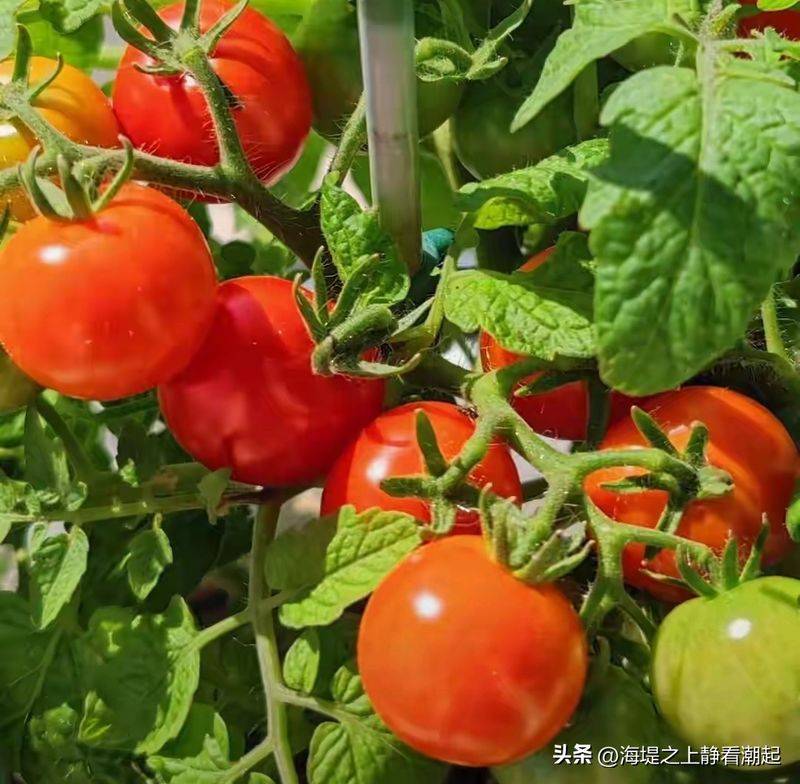
Ii. A clear focus: at which stage should water not be watered
Many farmers confuse water control times, either by drying up their seedlings throughout the course of the drought, or by pouring water when it is necessary to water, when it is necessary to water, and when it is necessary, it is counterproductive。
Today, the precise time frame for water control is given to all of us, regardless of open-air, large-house cultivation:
1. Water and gold control period (water is strictly forbidden, water is poured)
Tomato sprouts - the first flower, the first gestation
The seedlings grow alive, when they reach 25 cm or more, they start to smoke chickens and gushing flowers, until they sit in the first ear, when the fruit grows to the size of the buttons, and when they are all in control of the water seedlings。
This phase, which lasts approximately 20-30 days, is the core critical period for water control and the underlying period for determining production throughout the season。
The core principle at this stage is that the soil is dribbling and leaves are slightly distilled, and the seedlings will not be watered as long as they are alive and dry
Ii. Phases in which water can normally be watered
- deplantation of seedlings: the only phase in which wetting is required is to replant the water with a firm root water, during which the soil is humid。
- period of fruit expansion: the first fruit grows to the size of the eggs of the pigeon, starts to expand rapidly, ceases to control the water, normally replenishs the water, keeps the soil dry and wet, and promotes a large increase in fruit expansion。
- the harvest period: at the stage of the harvest in batches, small quantities of water are used to avoid the effects of drought and water scarcity。
It is important to remember that the nine words are the core mouthpiece of tomato watering, so that 80 per cent of planting can be avoided。
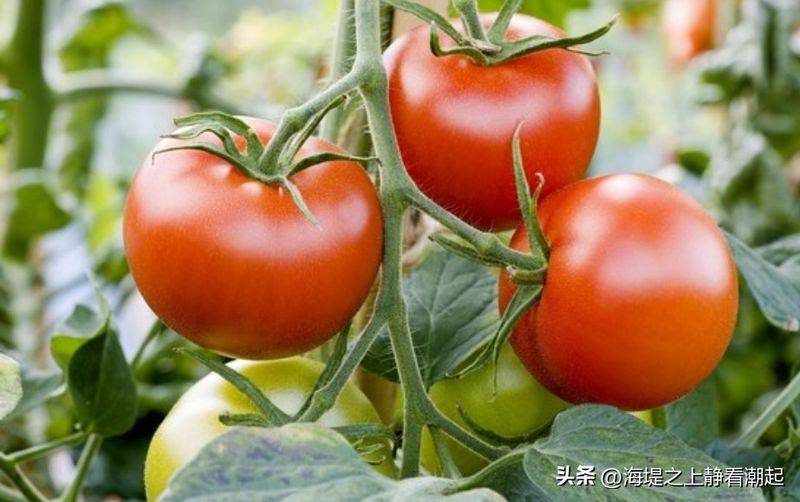
Iii. Dry work: how do you judge whether the water is dry or not
Many new farmers are afraid to control water, and the biggest concern is that the fear of drought causes the drought to kill the seedlings and damage them, and instead affects their growth。
In fact, there's nothing to be afraid of. Tomatoes are far more drought-resistant than you can imagine. I teach you three simple, zero-sum judgmental methods, without instruments, without earth, without eyeballs。
1. Look at the soil
The surface soil is white, lassed, 2-3 centimetres dry, completely free of water
A small amount of water needs to be replenished only when the depth of the soil is 5-8 centimetres dry, when the earth is completely loose and the seedlings are severely atrophy at noon and cannot be recovered in the evening。
As long as the surface is dry and the bottom is humid, the water is strongly withheld。
Watching the leaves
During the high-temperature period at noon, the small screeching of tomatoes leaves and microvolts are normal water control phenomena and are self-protected without water。
Only the full-day foliage, the early and late recovery, the wrinkled foliage of the foliage and the drying of the old foliage at the bottom would be truly dry and dry and in need of water recharge。
Not only is there no harm in having a small leaf and a midday lumber, but it is the best state of development that can control the growth of the bud and promote its division。
Three, look at the shape of the squirm
(a) the length of the sepsis, the length of the vines, and the greenness of the leaves, which is water-rich
Potatoes with well-controlled water, short stairwells, thick tubers, thick leaves and green, are not looking well, but they are full of flowers and have a strong capacity to sit。
Zhuan four, most miscalculated. 90% of the farmers did the wrong water
In addition to indulging in water, there are several fatal error zones during the water control phase, which are more harmful than drought and must be avoided。
Zone 1: be happy when you see rain
A lot of farmers think it's a big mistake to rain water and save money
Tomatoes sit in fruit, most afraid of rain and water in the fields. Fields planted in the open are 10 times more hazardous to soil and field moisture following rain than to artificial flooding。
Water accumulation can lead directly to the roots of the roots, with flowers falling and outbreaks of disease, frosty, early disease and grey disease all coming to the door。
(b) the first time after the rain, the drains must be cleared and dry, the fields without water, the rapid dispersion of moisture and the preservation of the roots。
Misdirection 2: over-control, chronic non-watering, drought-free
We're talking about "as long as it's dry and waterless, not without water."
Long periods of extreme drought, dry-drive soil, severe water shortages, stagnant seedling growth and the disruption of lumbering, and the emergence of rigidity, weak flowers and deformities, all of which are at a later stage。
You've got a good grip: a little drought control, a severe drought and a small seedling, the tip point is that the seedling does not recover。
Mistake 3: splash water soluble, high nitrogen fertilizer during water control
When many farmers control water, they think of extra nutrients without water, often flushing water soluble and high nitrogen。
When the soil is dry, the fertilizers cannot be diluted and dissolved, and all piled up in the soil, causing the roots to burn, fattening, damage to the roots and all the problems of flowering fruit and yellow leaf flats。
In the water control phase, stop all heavy water fertilization, just a thin leaf-spray of nutrients and complete suspension of fertilization。
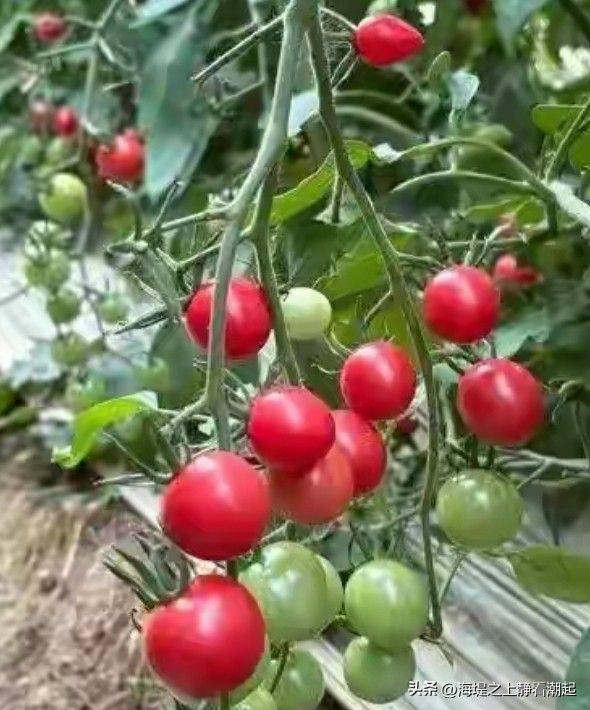
V. Water management. Water control + management. Double the number of sitting fruit
It is not enough to control the water alone, to have tomatoes full of branches, with no flowers, with no rigidity, to combine the management with the management of the water during the control, and to do so twice as much as possible, with the effects of increased production visible。
1. Timely planting of pine land and conservation of water for rooting
During the water control phase, the soil is dried up and must be ploughed。
The shallow pine soil can cut off the soil cavity, keep the bottom soil moisture, reduce the evaporation of water and avoid rapid dry penetration; at the same time, the defusing soil has good aerobic properties, forcing the tomato roots to deep down, the roots to deep down, the later the drought-resistant, the more fertilizing, the stronger the plant。
The old saying “dry land, rain-fed gardens”, which is fully applicable to tomatoes, is used over the control period and is more useful than water fertilization。
2. Rational whole-tonging to reduce nutritional consumption
Water control is accompanied by the timely elimination of old, yellow and sick leaves and the removal of redundant side branches and invalid slings。
The excess leaves will consume a large amount of plant nutrients, which, when cleaned up in a timely manner, will concentrate on lumbering and flowering fruit, which will both provide ventilation, reduce field humidity and significantly increase sitting rates。
3. Sprayed leaves, supplementary nutrition pink
The control period is slow to absorb nutrients, so that, in order to avoid undernourishment, no root fertilization is used, and only leaves are used to supplement nutrition。
Focused on boron fertilizer and potassium dihydrogen phosphate, bovine promotion for pollination, phosphorus-controlled hysteres, and thin spraying, effectively prevent the drop of flowers and make flowers full and pollinating of high quality。
Remember: concentrations must be low and high-level spraying is prohibited to avoid high-temperature burning of leaves。
4. Strict control of field humidity and prevention of disease
One of the central purposes of water control is to reduce humidity and prevent disease。
The low humidity in the fields and the incompetence of bacterial fungus can significantly reduce the high incidence of the disease of tomatoes such as early disease, night disease, asymptomosis, and yero, reducing the number of drug attacks and saving money。
Farmers who grow large sheds are ventilated and wet during the day and are properly warmed at night to avoid humid conditions in the shed。
Vi. The advice of the old farmer's core, everyone remembers that there is no loss of production
In conclusion, i would like to summarize some of the best-tempered and most practical planting advices, which, if only to remember:
1. The wetting of seedlings during the tomato season, the drying of the flower sitting fruit, the wetting of the fruits and the reduction of the production of dry, wet fall。
2. Slight dry seasons of the flower season are strong and the water is growing and bad, rather than wet and uncontrollable。
3. As long as the seedlings recover sooner or later, they will not die and will not be watered or fertilized。
4. Water control is accompanied by pine soil, whole branching, fertilizing leaves, with more fruit, proper fruit and high quality。
The cropland is well managed, with high yields, without hard work and heavy investment. This, in turn, runs counter to crop growth patterns and reduces production as much as it works and waters。
Today's tomato-control techniques are based on field experience, and there's no such thing as a dead end
Disclaimer
This is only a practical field experience study and does not involve any commercial conduct. There are differences in climate, soil and cropping patterns from one region to another, and farmers are able to adapt their management to local realities in a flexible manner, and are not responsible for the loss of cultivation due to poor personal handling and geographic differences。