


With the onset of winter, shorter light hours, lower night temperatures, increasing humidity in the sheds and the high vulnerability of some low-temperature, high-humid diseases, which have a negative impact on the normal growth of tomatoes, the following are some of the technical points for managing tomatoes in the winter:
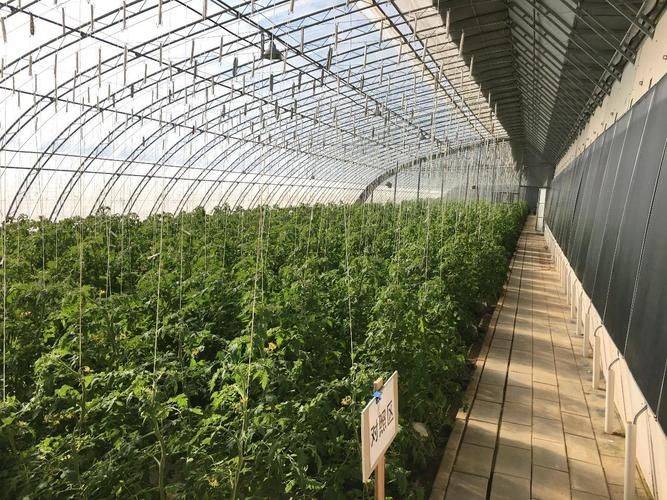
Temperature management. After winter, greenhouse tomatoes should be managed with a focus on warmth, which can easily cause tomatoes to fall in fruit, or even to freeze, and the rate of sit-in will be significantly reduced, thus seriously affecting production. In the event of snowstorms or wind cooling, the temperature may be increased by coal stoves, heating or artificial light recharge。
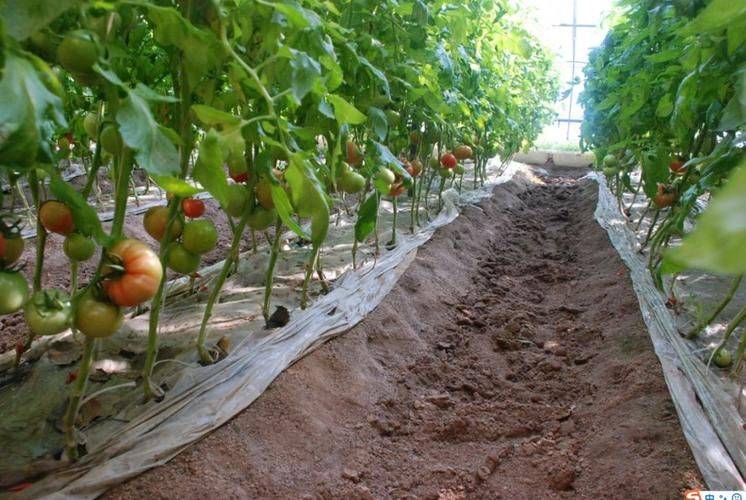
Light and ventilation. Tomatoes are radiant crops, growing and resistant to disease when the light is full. On the contrary, it can lead to a sudden increase in plant growth and the creation of conditions for infection. The light in the shed may be increased by retrospects on the back wall, regular cleaning of the dust or stains on the film, and by removing fog drops in the film. Ventilation serves the purposes of wetting, air conditioning and cooling. Ventilation times must be adapted to weather conditions, and a certain amount of ventilation must be guaranteed on a daily basis to facilitate normal plant growth。
Water and fertilizer. Water must be watered in conjunction with fat pursuit, not just water. Fertilizers that are not capable of using a single element of fertilizer are best applied using a combination of three-dollar fertilizers or flush fertilizers, which are fully nourished in a timely manner. They provide the nutrients necessary for tomato growth and development. Otherwise, they are prone to physico-diseases. They are selected for consecutive daylights, with a small amount of water being poured, and are generally selected for morning or noon。
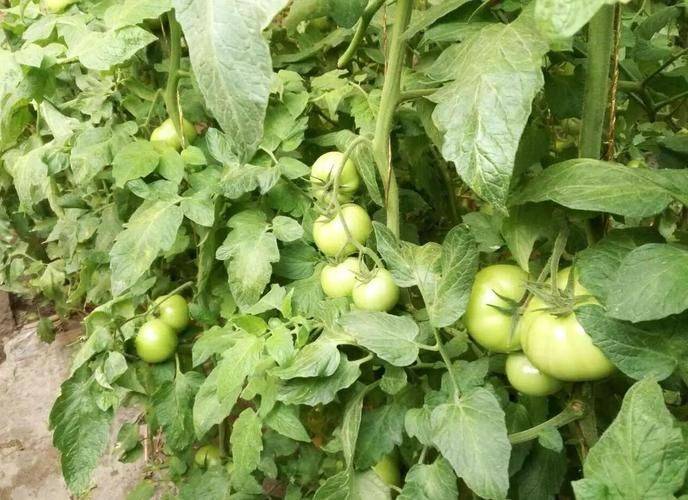
Combat diseases. The winter is a high-prevalence period for tomato ashilosis, night disease, bacterial disease, which should be primarily preventive, with generic 5-7 days of spraying, with the option of rotating several formulations, such as acetamine + cytoxin + methyl tobuzin, or anacetyl + cytoxin + benzodialene。



