


With a view to effectively improving the existing disruptions in warehouses, improving management efficiency and space utilization, reducing storage-related costs, promoting standardization of management and ensuring a smooth supply of materials and rational use of resources, thereby providing firm backing for the production activities of companies, a plan for the rehabilitation of the warehouse has been prepared and implemented。

I. Key issues in current warehouse management
1. Lack of clarity of duties and mismanagement:
The functions and responsibilities of the department and post are unclear, the division of labour is blurred and responsibilities cannot be fulfilled。
There is a lack of clear warehouse operating processes, operational specifications and sound management systems。
2. Unjustified layout:
The lack of clarity in the division of warehouse areas has resulted in low space utilization and wastage。
3. Weak material management base:
Material markings are irregular and unclear。
The material is in disarray (mix, mess, multiplicity) and the same material is scattered and difficult to find。
The fifo principle has not been implemented。
Material coding is poorly managed and there are “one size” and “one size” phenomena。
There is a significant backlog of stocks, inadequate handling of inactive material and increased management costs and inventory pressures。
Information and system failures:
The lack of basic information on products (no bom tables, lists of materials) has led to insufficient material base, inefficiency and blindness。
Erp systems are inert: data are inaccurate and not timely to effectively support management decisions。
Material information is not shared and inventory management information is poorly circulated。
5. Lack of process and discipline:
There is a lack of strict process and disciplinary controls, a lack of discipline and difficulty in implementing material access。
Ii. Analysis of root causes of the problem
1. Inadequate positioning and attention: inadequate positioning of companies to function in the warehousing sector and insufficient attention to senior leadership。
2. Long-term disorderly management: the warehouse has long been open and disorderly managed。
3. Inadequate systems: the company's overall operating system (sales, procurement, production, quality, plans) is inadequate, and uncertainty factors (especially production plans) seriously affect the warehouse's receipt, distribution and accounting, resulting in difficulties in receiving, distributing and accounting for materials。
4. Lack of human capacity: warehouse managers have insufficient expertise to store and operational capacity needs to be enhanced。
5. Lack of process specifications: specific business processes are not established and clearly defined。
Core approach to warehouse management improvement
1. Clear positioning and responsibilities:
Goods received by order, quantity inspected according to regulations。
Qualified materials are stored in designated locations。
Maintenance of 5s (collating, cleaning, cleaning, maintenance) of storage sites。
The voucher is equipped and the material is issued。
Accurate recording of material items and implementation of periodic inventory counts。
Periodic declaration and disposal of bad and waste materials。
Separation of duties among personnel: development of clear job descriptions with clear lines of responsibility and division of duties (temporary)。
2. Optimizing warehouse layout and facilities:
Warehouse classification: by material characteristics, use, flow:
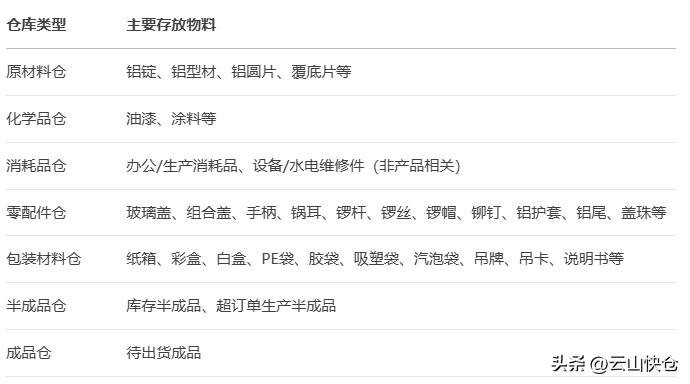
Regional planning: clear division within warehouses: access routes, fire-fighting areas, office areas, storage areas, demurrage areas, return areas, waste areas。
Upgrade of facilities: purchase of additional racks to store small items (e. G. Poles, wires, etc.) to increase space utilization。
3. Complete inventory preparation:
Duplex: full treasury and stacked
Three: quantity, quality, specification
Three: shelf, object, ground
Three matches: accounts, cards, goods
Four locations: zone, shelf, layer, location management
4. Strict material access control:
Establishment and implementation of a rigorous material-inventory management system。
Implementation of warehouse** closed management**, serious work discipline。
5. Enhanced inventory count and account management:
Comprehensive inventory: unified inventory of all goods and establishment/regulation of material marking and storage。
Operating processes: receiving and outgoing goods strictly follow the "system query - > location - > physical checking - > voucher operations - > timely billing" process to ensure daily closure。
Cycle count: daily inventory reconciliation of hf incoming and outgoings and valuables (system books, manual accounts, physical items)。
Regular inventory counts: monthly/quarterly full-stock counts to ensure that inventory is accurate; annual large-scale inventory counts and reports and analyses are produced, accounts are adjusted to ensure consistency with “accounts (systems), accounts (manual), cards and items”。
6. Effective disposal of waste:
Centralized clean-up of historical waste (especially packaging material)。
Develop and implement provisions for the management of waste waste materials and establish long-lasting mechanisms。
(c) strict control of the vendor process for the return and replenishment of bad goods。
7. Establishment of a sound management system:
Process standardization: standard operating guidance (sop) has been developed through the establishment, revision and refinement of warehouse processes, which are strictly enforced after evaluation。
Responsible persons: implementation of a system of responsible persons for material management, allocation of responsibilities by warehouse, type of material, capacity of staff and supervision。
Cross-sectoral synergies: collaboration mechanisms such as identification of undesirable products with procurement, quality, etc。
8. Continuous upgrading of personnel capacity:
Establish a regularized training mechanism based on processes and sop。
Weekly professional training covering the whole chain of receipt, entry, distribution, withdrawal, production, disposal of waste, accounting, inventory, etc。
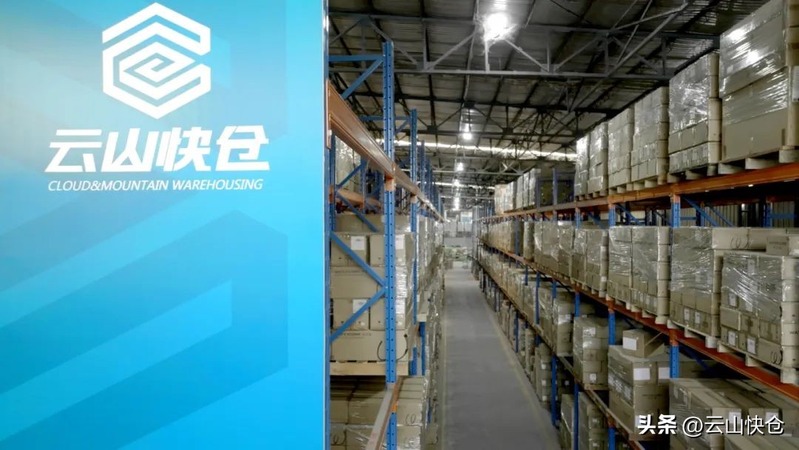
Iv. Implementation plan for warehouse rehabilitation
Objective: to consolidate resources and establish a standardized, standardized, procedural and systematic modern warehousing management system to achieve consistency of accounts。
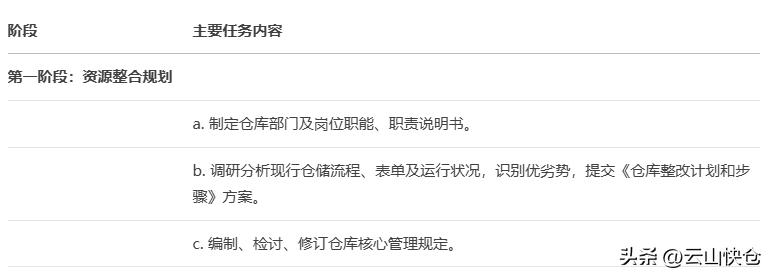
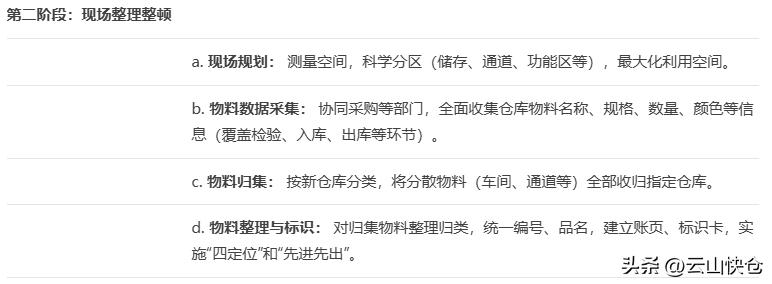
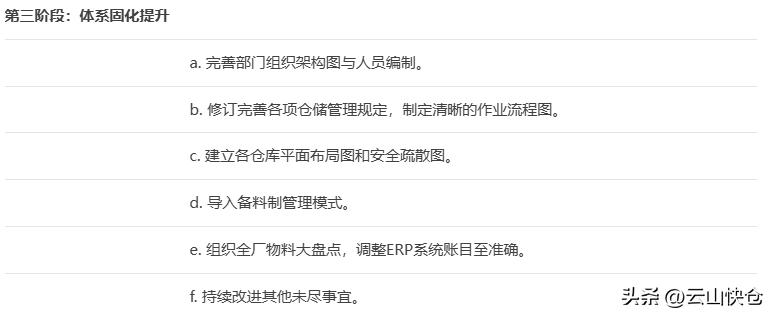
Through the above-mentioned systematic overhaul, the aim is to reverse the disruption in warehouse management, increase efficiency, reduce costs and provide reliable inventory data support for corporate operational decisions。



