Have you ever wondered, in the cold winter, where the warm, warm wind came from when you opened the car? And what's even more amazing is that even though air conditioning in the summer will significantly increase fuel consumption, it's almost free in winter! That sounds like free heat. It's amazing. So, what's the secret behind this? Why doesn't the car warm wind consume extra energy like the home heating
Engine: a natural heat plant
To understand this, we need to know first that the engine works like a small stove. Remember how it felt to get hot the last time you ran? So does the motor, except it's more intense, and the heat is more amazing。
When you start the car, there's a small explosion in the engine. The gasoline is burning in the gas tank, creating the momentum to move the car forward. In the process, however, only about 30 per cent of the fuel energy was used to drive vehicles, with most of the rest turning to heat. Imagine, like when you burn water with a gas stove, not only does the water heat up, but the air around it gets hot。
In addition to the heat generated by combustion, many parts of the engine are operating at high speed and frictions between them generate large amounts of heat. It's like rubbing your hands so fast, it's just a much stronger friction inside the engine。
Overheating crisis: why engines need cooling
What happens if you don't process so much heat? It's like putting a pot of water on the fire, and eventually the water evaporates. Overheating can deform engine parts and may even cause permanent damage。
So the car designer designed a cooling system for the engine. It's actually like the heating chip network in our house, but it's the opposite. The surface of the engine is covered with a watercourse in which the cooling fluid (a special "water") circulates, absorbs the heat generated by the engine and then flows to the water tank (the radiator), where the heat is distributed into the air。
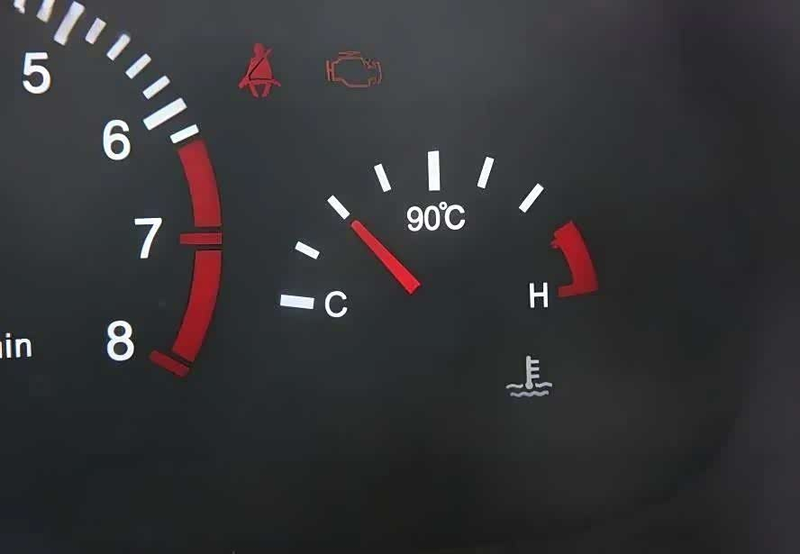
The aim is to maintain the optimal working temperature of the engine at about 90 degrees. Not too cold (impact efficiency) or too hot (damaged parts). Just as the body has the most appropriate body temperature。
Warm wind principle: smart heat reuse
Now, the interesting part comes. Now that the engine has produced so much heat that would have been wasted, why not use it
Smart engineers came up with a brilliant idea: since the cooling fluid has been heated to about 90 degrees, why not go around the car before it flows to the radiator? So they installed a small radiator inside the car, which we call a warm water tank or a warm wind core。
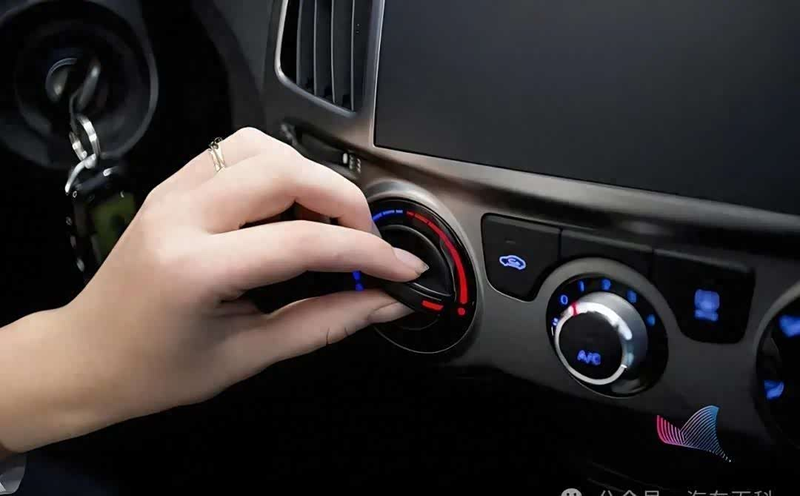
When you turn on the warm wind switch, the hot cooling fluid flows through this warm wind tank. At the same time, the windbox (the fan) in the car will blow the air through the warm water tank, the air will absorb the heat and warm it, and then blow it into the car from each vent. It's kind of like standing next to a well-heated computer, feeling the heat of the computer。
That explains why it takes only a few minutes to turn on the warm wind and get warm in the car. Since cooling fluids in warmer water tanks are at temperatures of around 90 degrees, the temperature of the vent can reach 40-50 degrees, which is sufficient to bring cold cars up rapidly。
The secret of temperature regulation
Maybe you'd be wondering: what do we do when we regulate the heat
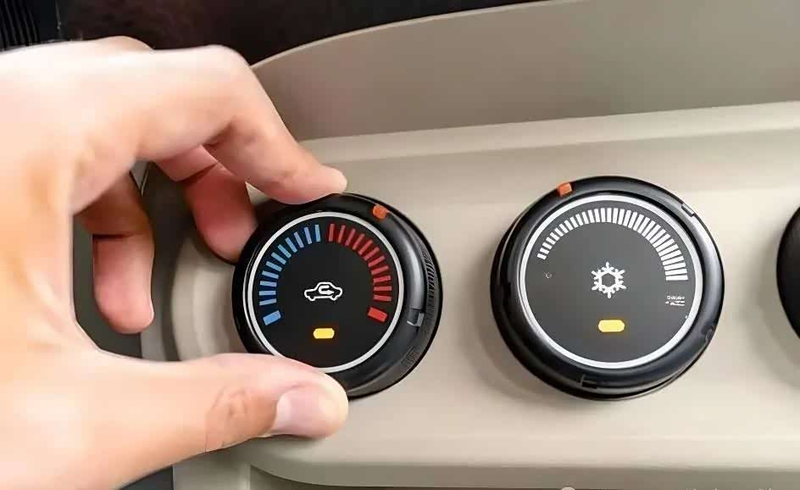
In fact, when you lower the temperature of the warm wind, you don't lower the temperature of the cooling fluid (which remains around the working temperature of the engine), but you change the proportion of the cold wind blending. The vehicle adjusts the flow ratio through the warm water tank through a device called the "temperature control valve"。
When you set the temperature high, almost all the wind blows out through the hot, warm wind tank. When you lower the temperature set, a part of the wind will go around the warm wind tank and blow into the car, so the mixed wind won't be so hot. It's kind of like adjusting the proportion of cold and hot water in the shower。
So, why isn't it expensive
The answer is obvious: the heat used by the warm wind is produced "by the way" when the engine works, which is supposed to spread, which is equivalent to "waste reuse". Whether you use it or not, they'll be produced in vain
Take the example of life: assuming your computer is on, it's hot. So you can put your hand on the radiator for heating, which doesn't make computers more power-consuming, because it's already hot. The same is true for car heating systems。
Special case: when will it take more gas
While heat winds generally do not add to fuel consumption, there are a number of special circumstances in which there is a slight increase in fuel consumption:
1. The engine is still cold when the vehicle is activated early in the winter, when the heat it produces is mainly used for its own heating. If it's a warm wind at this point, it's equivalent to the heat of "jacking" the engine, and it's an opportunity to supplement the heat of "take away" by burning more gasoline. It's like a fire that just lit needs more firewood to keep up。
2. The ac button was erroneously pressed: many did not know that the ac button was an ac compressor switch. There is no need for compressor work when it comes to a warm wind, just turn it on. If the ac button is pressed simultaneously, the compressor will start work, which will indeed increase fuel consumption. However, if you need to defrost, press the ac is necessary because it can effectively reduce air moisture in the vehicle。
3. Power consumption by wind-drivers: while the warm wind itself is not fuel-consuming, a heat-blowing wind-dryer needs a power drive. This power comes from engine-driven generators, which indirectly consume a little fuel. However, this consumption is very small, with a power of about 70 or 80 watts, which is equivalent to electricity consumption in a normal light bulb。
Electric and fuel vehicles: wide differences in heating
Speaking of which, you might wonder: why would the electric vehicle run a much lower heater while the fuel truck is barely affected
The answer lies in the fact that they're heating differently. Fuel trucks are "by-products" from engine operations, while electric vehicles have no internal combustion engine and no large quantities of waste heat are available。
Electric vehicles are heating in two main ways:
Ptc electric heating: this approach is similar to home-based electric heating or "small sun" and produces heat directly by electrical resistance. Its benefits are high temperature and good results, but the disadvantage is that it is especially power-intensive, with a power of up to 2000-3000 watts. This is equivalent to opening 20 to 30 100 watts of light bulbs simultaneously. No wonder there will be a significant reduction in the continuation of electric vehicles。
Heat pump system: more advanced electric vehicles employ heat pump technology, similar to home-based air conditioners, to "take" heat from the outside environment. This method saves electricity from electrical resistance, but is more costly and slower. Electric vehicles using thermal pumping system can travel about 30 kilometres more per 100 km per winter than ptc heating。
Practical tipping: how to use the car warmer more effectively
After learning how to work, we can use it smarter:
1. Engine preheating: after the start of the vehicle in winter, it would be preferable for the engine to operate at a low speed of one to two minutes before heating the wind, so that the engine can reach normal working temperatures and the warmer wind will work better without increasing fuel consumption。
Rational use of ac buttons: do not press ac buttons when heating winds are opened unless the fog needs to be removed, thus saving fuel。
3. Heating by seat: if your car is equipped with seat heating, it can be used as a priority in winter. Seat heating is more direct and effective than the warm wind, which warms you more quickly, while the amount of electricity consumed is lower than the wind-drive。
4. Rational setting of winding patterns: it is usually recommended in winter that the winding pattern be set to foot and front windshields, as the hot air rises and the hot winds from the feet evenly warm the entire carriage。
Summary
The car heating system is a smart heat reuse design that makes engine heat that would otherwise have been wasted a useful resource. It's like using the heat from the oven to dry clothes while the oven bakes。
Next time you open up the car warmth in cold winters and feel the warm and cozy air flow, you can understand that this warmth not only does not cost gas, but also helps the engine to work better. This is probably one of the few free lunches... It's a win-win situation