"the fragrance of the paddy says it's a fragrance and hears the sound of a frog." rice is one of the most important food crops in the country, and it was planted in the yangtze basin as early as 7,000 years ago, with a very long history of cultivation. Even today, where food is abundant, rice remains the staple food on the table of the people. In the long history of rice cultivation, many good varieties of rice have been developed, so what are the varieties of rice in china? The rice varieties in china are described below。
I. Ground and ground
1. Rice: around 20 per cent is straight-chain starch. Medium sticky. Rice originates in the subtropical regions and is grown in the tropics and subtropical regions. It is short-lived and matures many times a year in unfrosted areas. When the shell is made of rice, it is long and less transparent. Some have red skins, such as red rice from jiangxi, china, which is dried and loosed after cooking. Usually used for radish cake, rice powder, fried rice。
2. Rice: rice has less than 15 per cent of straight-chain starch. Cultivated in temperate and cold zone areas, they are long and usually mature only once a year. When the shell becomes cylindrical, it looks short and transparent (some grains of rice have local white powder). The cooking properties are between the rice and the rice. Use of general rice。
Early, medium and late rice
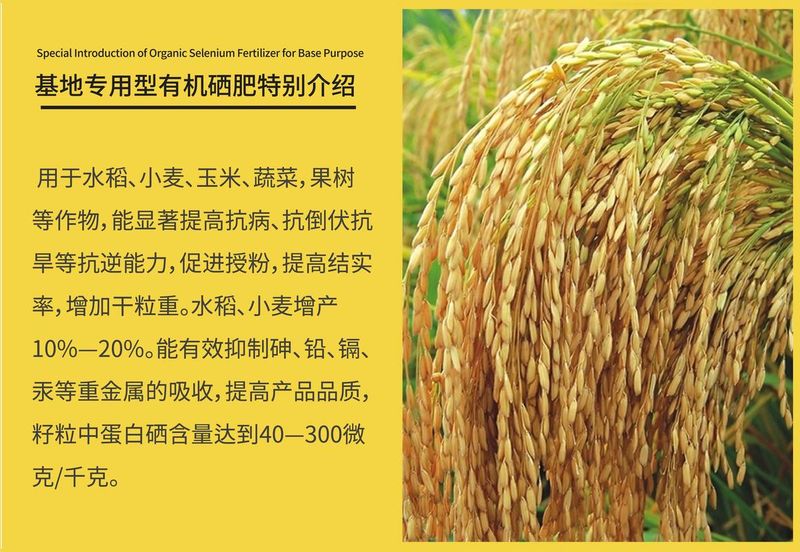
The fundamental difference between early, medium and late rice is the difference in response to light. Early and medium-sized rice is not sensitive to light reactions, is normally matured throughout the year's seasons, and late rice is sensitive to short-day light, strictly requiring short-day light to be passed through the light phase. It is similar to wild rice, which is the basic form of the direct evolution of wild rice, and early and medium-sized rice, which is the variant of later rice that is differentiated under different conditions of temperature. Rice in the northern rice sector is either early or medium。
Iii. Rice
Rice is grown in fields and rice is grown in drylands. There are smaller differences in surface rice patterns and greater biological differences. Both water and rice have air organizations, but rice seeds on land require less water, are more absorbent and tend to grow faster; protection of the leaves on land is well developed and resistant to heat; root roots are well developed and hairy, and are resilient to water erosion. Rice can be grown in both dry and water, and some varieties can be grown in both rice and rice, but rice production is generally low, and rice is gradually replaced by rice, with small amounts of rice grown in northern rice。
Iv. Artificial rice
Referring to artificial rice, in 1973 yuan yongping succeeded in producing the world's first hybrid rice by scientific means and was therefore called the father of hybrid rice. After four years of research, he has led the team to explore from hundreds of rice varieties in the world and to gain his own heart on the pollinator of rice. Yuan yongping believes that wild rice is not necessarily entirely self-pushed, and has found a form of wild rice on hainan island called “no loss” and has successfully grown some combinations of rice with existing rice. These combinations of rice cannot pollinate themselves, but rely on the enormity of the crop, but produce twice as much as the original rice. In the first few years, however, new rice was cultivated, although there was an increase in the volume of rice, and most of it did not have pollen, meeting the needs of new varieties, but some of them contained pollen, which produced the next generation and was not abundant; however, yuan yongping did not give up and, until the ninth year, tens of thousands of new rice did not have pollen, reaching the demand for a new varieties, the three-tier hybrid rice of yuan lungping。
Water rice
It's not really the rice that grows in it, so what do you call it? Its origin lies on the seaside of the yuyuk county town's yuen ness village, where seawater has been immersed on a short-term basis. Thus, the rice is grown on saline land without fear of short-term immersion of sea water and is therefore distinguished from ordinary rice, known as sea rice. The salinization of sea rice in our country is extremely widespread and varied in various types, including, inter alia, the salinous land on the eastern coast, the salinized soil on the yellow sea plain, the salinous salin land on the north-eastern pine plains, the inland salt soil of the semi-desert desert, and the desert salinous soil of extreme drought in xinjiang。
Selenium-rich rice, with its characteristics of selenium, quality, health care, disease prevention and safety, provides an overview of its relevance in terms of selenium and human health, selenium and rice growth, an overview of its current status and problems in terms of cultivation, breeding, genetics, etc., and a direction for further research in the field of pelican。
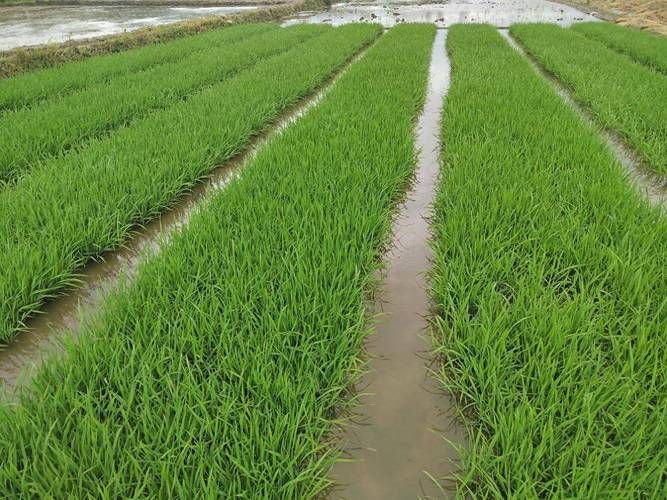
On the same day, the team also provided recommendations for the development of pelican rice in tun-cung county, along with detailed descriptions of key technologies for the cultivation of pelican rice, guided by the idea of expanding the pelican industry, increasing farmers ' incomes and promoting healthy livelihoods。
In the process of growing, pelican paddy is sprayed with organic oscillation in specific environments, which, in addition to its normal function, also contains healthy elemental pelicans. Since pelican rice is green, non-hazardous and organic, especially in the interest of human health, the pelican rice industry is very hot. How, then, should the plume grow
Rice uses free and rich selenium before and after saping. After leaf fertilisation, production of rice not only increased significantly to levels above 150 μg/kg, but also reduced cadmium levels in rice by more than 50 per cent or more, with the effect of reducing cadmium by selenium-rich, while the use of selenium-rich technologies also increased yields due to increased paddy chlorophyll and increased light co-operation. At present, the mechanisms for calcium-rich precipitation in rice have not been fully studied, and it is generally considered that selenium may have three effects on cadmium: first, there is a stress effect on heavy metals such as selenium and cadmium, which directly inhibits rice absorption of cadmium; second, it promotes the synthesis of plant sequestered beryllium, promotes the integration of cadmium with plant sequestered beryllium and reduces the content of harmful forms of cadmium in rice; third, selenium may be involved in energy metabolism, protein metabolism, etc。