Look at the stars on the yellow land
Cream culture strikes entrepreneurship
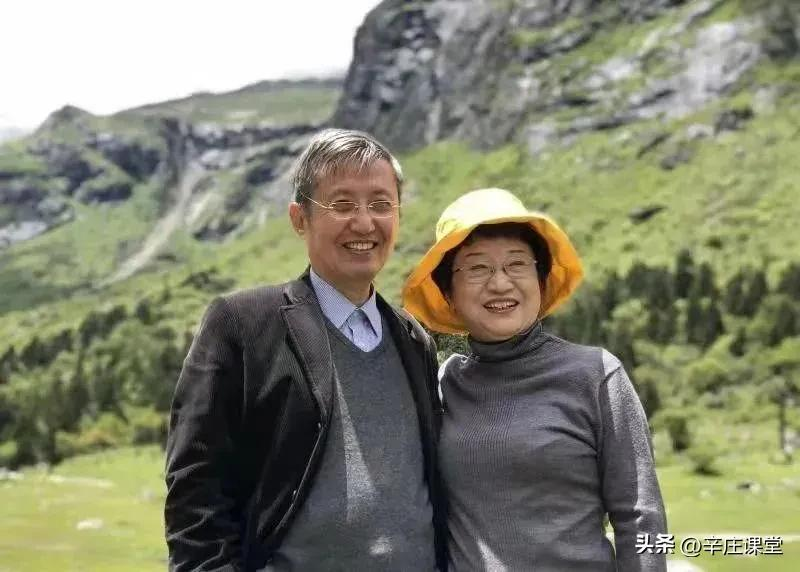
Kim and mrs. Liu qingfang
The anti-mission mood is rising
In july this year, on the eve of our departure from the united states, we gave farewell to a friend in san francisco:
We're leftovers, but we're immortals
At that time, that friend and we were all deeply concerned about the loneliness of being an idealist in today's world. While in the united states, when we talked to some young scholars (whether from the mainland or taiwan) about the chinese intellectual sense of purpose, most young scholars thought it was an outdated dream. One of our friends in economics went so far as to say, "if one day all chinese intellectuals abandon their mission, china will be saved!" we are impressed. We are aware of the bitter experience of his culture, so we think it is a reaction to his far too idealistic past。
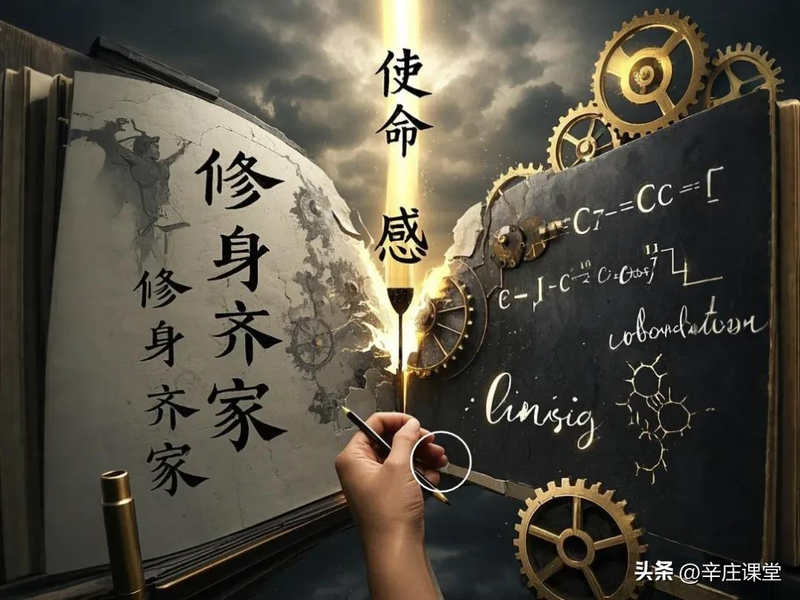
Returning to beijing, we are surprised that the rejection of idealism and sense of mission is not only a value orientation for individual intellectuals, but that there appears to be a trend towards thinking among young people. We read in a magazine a series of discussions about intellectual participation. One scholar was deeply saddened by the disappearance of today's intellectual participation. Another argued philosophically that it was not necessarily good for people to be too strong。
We immediately assumed that the first one was at least 40 years old, and that we were the same age; the last one was two or thirty years old. Ask your friends. Our guess is good. Attitudes towards intellectual mission can now be roughly age-specific. This reminds us that the extreme rhetoric of that friend was by no means an emotional one. It represented the reflection of the younger generation on the mission and their total anti-traditional mentality。
We think that there are two reasons why a sense of mission is not inconvenient. On the one hand, it is deeply felt that chinese intellectuals continue to lack western individualism. Until today, concepts like privacy in the west are strange to most chinese. Many young scholars believe that it is china's intellectuals who are too responsible and have suppressed personal and creative development. Another view is that it is the social function of values to dissect mission。
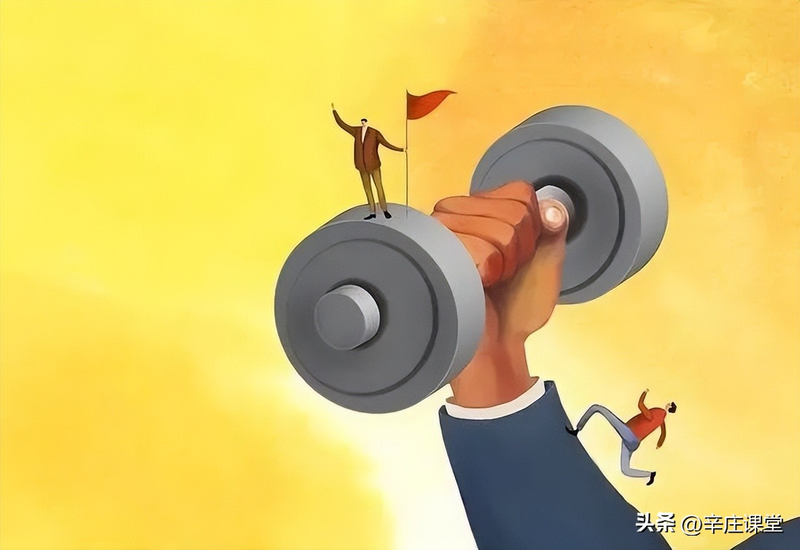
Professionalism is widely recognized as one of the driving forces of modernization. The recent revolution in science and technology and the emergence of industrial civilizations in the west are inextricably linked to the emergence of a new generation of intellectuals dedicated to their profession. In chinese tradition, there is a general “anti-professional” tendency. It is well known that in traditional chinese society, whether doctors, astronomers, mathematicians, engineers, painters or calligraphers are mostly bureaucratic gentlemen whose professional interest is only part-time or amateur。
Traditional knowledge activists in china have always developed their hobby by virtue of the value orientation of “rehabilitation, qui family, rule of the country, peace”. As a result, some scholars have even used “amateur spirit” to describe the attitude of traditional knowledge activists in china towards their profession. We cannot deny that these views are true. The relationship between a sense of purpose and individualism, and whether chinese intellectuals' participation really suppresses the growth of professionalism, is undoubtedly a challenging issue for chinese culture。
Nevertheless, we remain deeply concerned at the rise in anti-mission sentiments among young intellectuals. This is not because we are still idealists, or because we do not agree with a thorough reflection and criticism of china's traditional culture. We are concerned that this emotionalization, based on local analyses of western and central cultures, leads us astray。
A holistic view of reflection and transformation
We have always been the holistic theorists of culture. We believe that, at the conceptual and non-structural levels of the cultural system, it has great scope for free choice and change. It is easier for us to leave behind those parts of modern life that do not seem to be adapted to modern life and to absorb the essence of other cultures and conflate them into multicultural phenomena. But in the deep fabric of culture, we cannot, in principle, remove one part and retain the other。
Today, people are aware of the importance of our reflections on traditional cultures, which is a sign of the sense of purpose that is required for the transformation of deep cultural structures. Without a sense of purpose, it will be difficult for us to cross professional barriers to see the holistic challenges facing western and central cultures today. In the future, china’s deep-seated cultural fabric will simply deny its sense of mission; the idea of western professionalism as a “pivotism” may end with the idea of “sowning dragons, but reaping fleas.”。
In terms of the professionalism of western intellectuals, they are inextricably linked to deep cultural structures. Historians have not yet understood how western intellectuals' professionalism originated. As many scholars have pointed out, there is a deep link between the professionalism of western intellectuals and the ancient greek tradition of the desire for truth and the “charisma” of protestant ethics in the late middle ages。
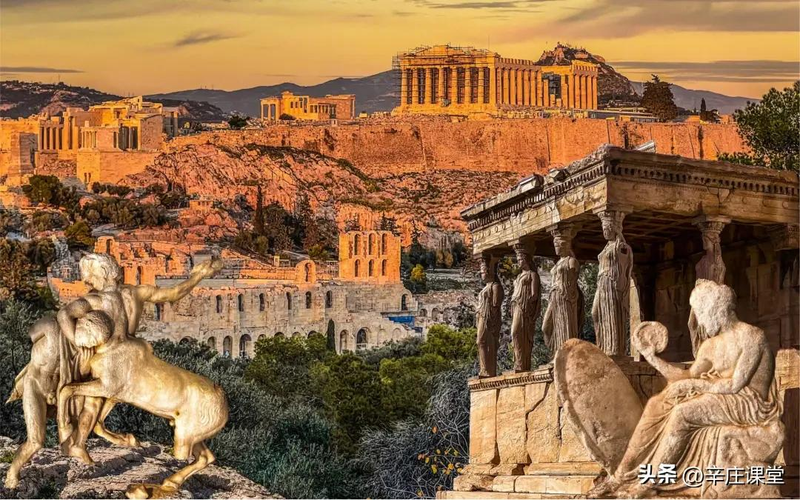
If weber's theory is correct, then in principle we cannot separate professionalism from the deep fabric of christian culture. In calvinian abstinence, it is believed that if people are to be favoured by god, they must prove their worth in daily professional work. This undoubtedly contributes to the development of professionalism. I do not think that the relationship between professionalism and the deep structures of western culture is now clear, but weber's research has proved, at least, that when we see western intellectuals immersed in their profession for the rest of their lives and making a great contribution to society, let us not forget to analyse why they can do this in good faith。
We believe that dedication to one's own profession is only a lower-level value orientation. Generally speaking, it is rarely the only way to satisfy it. If a person's higher values, such as religious beliefs and meaning of life, are not resolved and remain in the profession for the rest of his or her life, he or she tends to develop feelings of loss and immorality deep inside. Any culture can be solid only if it provides its own intrinsic and rational answer to the deepest questions of values, such as ethics and ultimate care, and other spiritual norms, including professionalism。
Professor fu weihun has divided the human value orientation into 10 interrelated and mutually constraining dimensions. According to this approach, professionalism belongs to the lower levels of “historical culture” and “intellectual exploration”, and only “end of care” and “end of truth” are the deepest levels. In our view, the overall idea of the spiritual orientation of human beings at all levels is profound。
Thus, whether protestants view “charisma” as a means of practising their faith or today's world view of the dualism of western intellectuals, these are manifestations of a system of harmony between their professionalism and the values of the deep fabric of their own culture. At the ultimate level of care and value of life, there are great differences between chinese culture and the west. Thus, once we have changed the reference system, it seems superficial to think that simply rejecting the sense of purpose of chinese intellectuals would create professionalism。
Two extremes of participation
We believe that research into chinese intellectuals' sense of purpose and participation must go deeper. There is general agreement among scholars that the presence of intellectuals with a strong sense of social responsibility and social conscience in the west is a modern matter, but in china, from the point of view of participation, ancient intellectuals and modern intellectuals have been very close. This surprising phenomenon illustrates the special characteristics of traditional chinese culture that differ from those of other cultures in the world。
In terms of the basic framework of values, the deep structure of chinese culture is indeed quite peculiar. Since time immemorial, the vast majority of the world's peoples do not believe that human beings ' own codes of conduct can be judged by their own values, nor can they extract from them the ethical precepts that are the eternal meaning of life. The ancient chinese philosophies, however, have shown great fear in this regard. They believe that the meaning of life can be maintained in moral practice from the point of view of the human person and that morality can speak for itself. They do not need to use the myths as a source of ethics, but rather as a source of culture。
Here we leave aside the problems that both cultures face in ancient and modern times. It should be noted that traditional chinese culture has shaped the ultimate care of chinese intellectuals, who have always been surrounded by the present-day society, pursuing the practice of participating in socio-political and cultural life and improving personal morals in their limited lives. This deep value structure determines that the participation of chinese intellectuals can only be chosen between the ends of society and individuals。
A strong sense of social responsibility that requires intellectuals to have undaunted moral courage to inject their sense of participation into all aspects of society and the family. Another manifestation is passive inactivity, which translates the ultimate concern into one's own. It is difficult for them to keep their sense of participation strictly in the professional sphere while maintaining a psychological balance, like western intellectuals who believe in protestant ethics。
There's no other choice
Today, traditional chinese culture is facing challenges. The legitimacy of traditional values is in general doubt. A new generation of intellectuals had to re-examine and transform china's traditional culture in the face of the powerful influence of western culture. Nevertheless, whatever the construction of a new culture in the future, we still believe that, for chinese intellectuals, the ultimate concern for their lives is likely to come from human beings and society, which is roughly the most basic feature of chinese culture。
Therefore, whether chinese intellectuals should (or should) be able to move away from a sense of mission is indeed worth our further reflection. Of course, we do not simply believe that as long as chinese intellectuals refuse to believe in the existence of god, chinese culture cannot establish professionalism and individualism similar to western intellectuals. We would like to emphasize repeatedly that, in order to develop individual creativity and build a sound professionalism, the path to be followed by chinese culture is not to abandon idealism and responsibility, but to build a more rational structure of values guided by a cultural sense of purpose。

The reflection of a people on its own culture and values is a painful and lengthy process, and is often fraught with error. Sometimes, attitudes that appear to be outright anti-traditional are the most traditional. Historically, the traditional structure of chinese culture has provided for the profound value orientation of intellectuals in both social and individual terms, which has resulted in a unique shift of 180 degrees in the sense of participation. Whenever intellectuals are enthusiastically frustrated or see the corruption of society, they tend to run away from reality and take the path of self-interest, while being horrified by their mission。
In the book prosperity and crisis, we introduced a concept to discuss the two extreme leaps in the participation of ancient intellectuals, called “complementarity shocks”. In our view, as long as there are two similar ways of thinking in a cultural structure, and only a theoretical system to the contrary in terms of the sense of participation (which has done nothing), we can define it as structural complementarity. In chinese culture, confucian and dowry constitute a complementary structure。
The most common feature of complementary structures is that, when such cultures are subject to external shocks or challenges, intellectuals turn to complementary structures to find a place to stay and not to pursue innovation. Complementarity shocks bring great conservativeness to cultural systems. In china's history, the transformation of intellectuals from confucian, confucian and confucian to the hidden in the mountains, monks and stockholders has been easy and numerous。

Today, young scholars are completely rejecting their sense of mission as a positive reflection on traditional culture in a holistic cultural sense (which in itself necessarily shows a sense of purpose at another level). Or is it just a repetition of the old complementarities? We believe that this is a matter of vigilance。
Twenty years ago, t. W. Adorno said: “the opportunity to speak of suffering is a condition for all truth”. Today, in order for the light of reason to shine on the ancient cultural fabric of our nation and for our national culture to be rebuilt in an integrated and creative way in a modern world, we believe that it is first and foremost for young intellectuals to be made aware of the suffering and challenges of national culture. And we have no choice but to renew the sense of purpose of the new generation。
The text is taken from the preamble of the book “kim myung-tao, liu qing chong cong-chung: rethinking exploration”, and some paragraphs are divided and deleted for ease of reading. The central distribution map is based on the network or generated by ai and has no specific pointers, and in case of abuse, contact the public counter to delete it。