How to regulate spill valves at hydraulic stations
Hydraulic systems, which are widely used in modern engineering, provide energy transfer and control through liquid flow. The hydraulic station, as one of the core components of the hydraulic system, plays an important role in controlling and regulating the working pressure of the hydraulic system. In hydraulic stations, spill valves are a common control element that stabilizes the working pressure of the system and protects the safe operation of the hydraulic system. This paper will describe how the spill valves of hydraulic stations are regulated to help readers better understand the working principles and methods of regulating hydraulic systems。
I. Role and rationale of spill valves
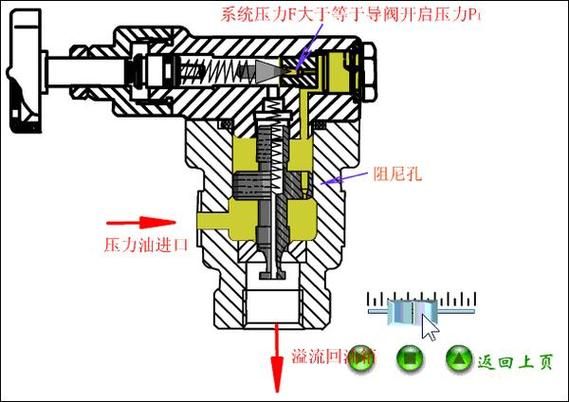
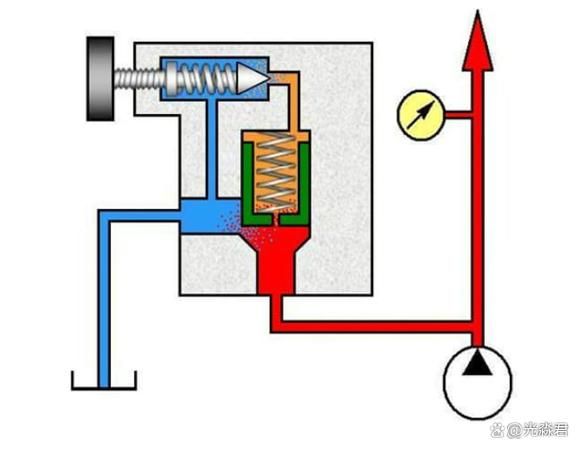
The spill valve is a valve capable of controlling the working pressure of the hydraulic system and stabilizes the working pressure of the system by regulating the flow of liquids. When the working pressure of the hydraulic system exceeds the fixed value, the spill valve will open and the excess liquid will flow back to the tank in order to maintain the working pressure of the system. The main components of spill valves include cores, valves and springs, which control the working pressure of spill valves by regulating the location of the cores and spring pressure。
Methods for regulating spill valves
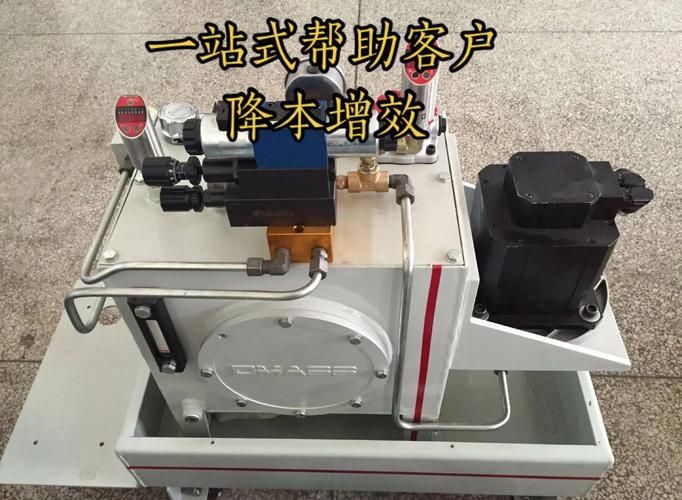
1. Regulating spring pressure: the spring of the spill valve is a key component for controlling the working pressure of the spill valve, which can change the working pressure of the spill valve by regulating the spring pressure. Generally, increased spring pressure increases the working pressure of the spill valve, while reduced spring pressure reduces the working pressure of the spill valve. In regulating spring pressure, special tools are required to compress or release the spring until the required work pressure is reached。
Regulating the core position of the valve: the core location of the spill valve also affects the working pressure of the spill valve. In general, the core moves upward, the working pressure of the spill valve increases; the core moves downward, and the working pressure of the spill valve decreases. In regulating the core position of the valve, a dedicated tool is required to reach the required position by rotating or moving the core。
Cleaning and replacing valve cores: during long periods of use, the cores of spill valves may be contaminated or worn, leading to unstable working pressure of spill valves. At this time, spill valves need to be cleaned or replaced. When cleaning the core of a valve, the core may be immersed for a certain period of time with a special washing agent and then wiped with a clean cloth. When the valve core is replaced, the original core needs to be removed and a new core installed。
Inspection and regulation of fluid flow: the working pressure of the spill valves is also affected by the flow of liquids, which, if too large or too small, leads to unstable working pressure of the spill valves. Therefore, before the spill valves are regulated, the flow of liquids is checked for normality. If the flow of liquid is too large, it can be addressed by regulating the discharge of the hydraulic pump or replacing the suitable hydraulic pump; if the flow of liquid is too small, it can be addressed by regulating the intake of the hydraulic pump or replacing the suitable flow of the pipeline。
Iii. Notes
1. Before regulating spill valves, the power of the hydraulic system needs to be shut down and the pressure of the hydraulic system released completely to avoid accidental injury。
2. In regulating spill valves, specialized tools are required and operated in accordance with the operating procedures of hydraulic systems to ensure their safety and accuracy。
3. After adjusting the spill valves, the hydraulic system needs to be tested and debugged to ensure that the working pressure and flow of the system is in line with the requirements。
Summary:
Through this presentation, we learned how to regulate the spill valves of hydraulic stations. The spill valve, as an important control element of the hydraulic system, stabilizes the working pressure of the system and protects the safe operation of the hydraulic system. The adjustment of the working pressure of the spill valve can be achieved by regulating spring pressure of the spill valve, the location of the core of the valve and cleaning of the core of the valve. Prior to reconciliation, the power of the hydraulic system needs to be shut down and the pressure of the system released completely to ensure operational safety. Once the reconciliation is completed, the hydraulic system will also need to be tested and debugged to ensure that the work pressure and flow of the system is in line with the requirements. It is hoped that this paper will help readers in regulating and maintaining hydraulic systems。