In our daily lives and industrial production, stoves are a very common device. Both home heating, cooking, iron and steel smelting, and glass manufacturing, all types of stoves are indispensable. Traditional combustion stoves, such as coal stoves, gas stoves, firewood stoves, all work with oxygen to sustain the combustion; but electric stoves do not need oxygen, and what are the reasons behind this? This paper will provide you with an insight into the workings of the furnaces, explore why they do not need oxygen and help you to understand the differences and advantages of the two stoves in a comprehensive way, compared to the characteristics of the traditional stoves。
I. What's the stove
Electric furnaces, by definition, are stoves that use electricity as a source of heat. It heats the objects or the environment in the furnace by generating joule heat from electrical currents through electrical resistance materials. The furnaces are widely used in laboratory heating, industrial smelting, metal thermal treatment and electronic components welding。
Depending on the mode of heating, the main types of furnaces are:
Electro-retardant stoves: electro-retarded heat。
Sensor: heating metal using electromagnetic induction principles。
Arc furnaces: high temperature is generated by arc discharge。
Microwave ovens (industrial microwaves): use of microwave heating objects。
This paper focuses on the most common electric resistance and induction stoves, explaining why they do not need oxygen。
Ii. Why do traditional combustion stoves need oxygen
In traditional combustion stoves, fuels (e. G. Coal, gas, wood, oil, etc.) release heat through chemical reactions. The essence of the combustion reaction is the oxidation of hydrocarbons and oxygen in fuels, generating carbon dioxide, water vapour and large amounts of thermal energy. This process is called burning。
The basic conditions for the combustion reaction are:
Fuel
Oxygen (or oxygen in air)
Fire temperature
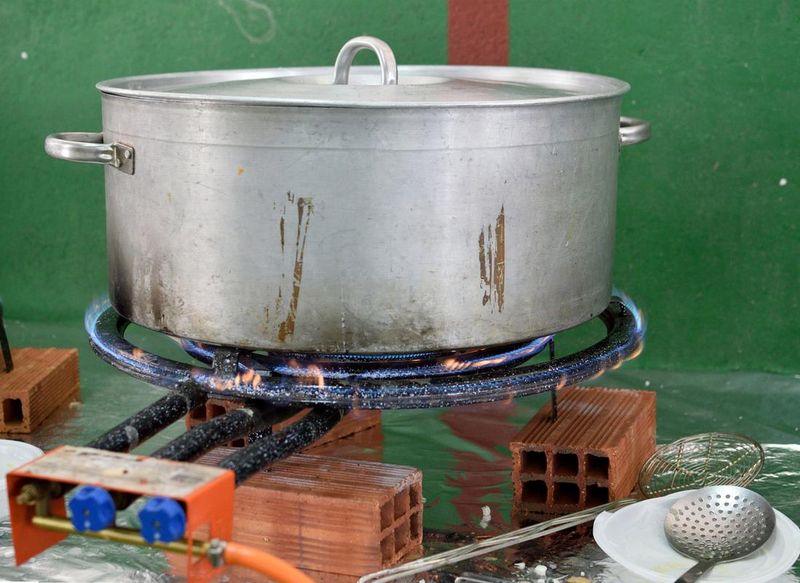
Without any condition, the burning cannot take place or be sustained. Thus, traditional combustion stoves must supply sufficient oxygen to ensure that fuel combustion produces heat。
Iii. Why don't the stove use oxygen
The stove is heating in a completely different way than the stove. The heat source of the furnace is not a chemical reaction, but rather the conversion of electricity to thermal energy. Specifically:
Electrical resistance to heating
When electrical barriers (usually high-temperature-resistant materials such as nickel chromium alloy) in electric furnaces go through the currents, they generate jj heat (the heat generated by electrical resistance) inside the wires, raising the temperature of the wires themselves and transmitting the heat to the inner objects of the furnaces. This process does not involve any combustion reaction and therefore no oxygen is required。
Sensor heating
Sensors use the intersection magnetic field to detect vortex flow within the metal works, where electrical resistance leads to internal heat. It's an electromagnetic phenomenon, not dependent on oxygen。
Arc heating
The electric arc furnace releases high temperatures through arc discharge between two electrodes, which are essentially circuits of ionizing gases, producing heat heating furnaces. Although air may be around the arc, the arc itself does not rely on the burning of oxygen to produce heat。
In summary, the heating process in the electric furnace does not involve fuel combustion and does not rely on oxygen for chemical reactions, so the furnace does not need oxygen。
Iv. Advantages that the stove does not need oxygen
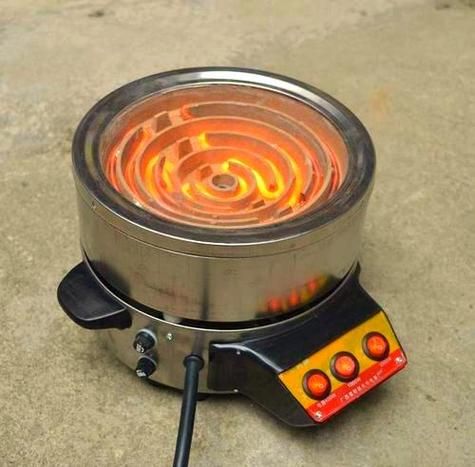
An electric furnace does not require oxygen properties and offers multiple advantages:
Heating environment controlled
Inner furnaces can be air, vacuum or inert gas environments, avoiding oxygen-induced side reactions such as oxidation, combustion, etc., which are particularly suitable for heat treatment with high requirements for material surfaces。
It's clean
There is no combustion process, no waste, dust and harmful gases, and modern environmental requirements are met。
Heat efficiency
Electricity is converted directly to thermal energy, with small heat losses and high energy utilization。
Temperature control accuracy
The furnace can control the temperature quickly and accurately by adjusting the current size and is suitable for processes that require precision temperature control。
It's safe
There is no open fire to reduce the risk of fire。
V. Applicable context of the energy and the company
Characteristics, electric stoves, combustion stoves
Thermal power, electricity, fuel combustion
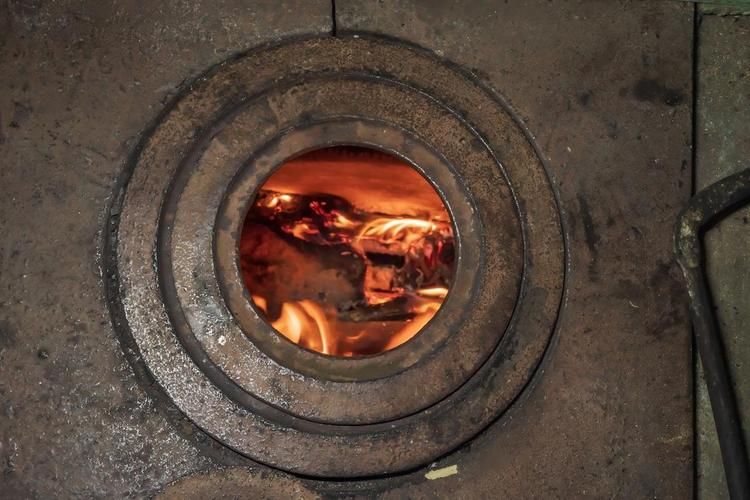
Do you need oxygen
Environmental control (air, vacuum, inert gases) is usually the air environment
Environmentally sound, non-gas pollution
Temperature control, precision, relative roughness
Scope of application laboratory, precision heat treatment, electronics industry mass industry, heating, boilers, etc
Higher electricity, more equipment, less fuel, less equipment
Summary
An electric furnace does not need oxygen because its heat source is the heat generated by the conversion of electricity, not the chemical combustion reaction of fuel and oxygen. The furnaces directly produce high temperatures without the need for oxygen participation through electrical resistance to heat, sensory heating or arc discharge. This characteristic gives electric furnaces irreplaceable advantages in such areas as precision thermal treatment, laboratory research and environmental industry。
The stoves are more environmentally friendly, more heat-efficient and more accurate in temperature control than the traditional combustion stoves, but are more costly and complex. Understanding why electric stoves do not use oxygen helps us better to choose and use stoves and to promote green development in industry and life。