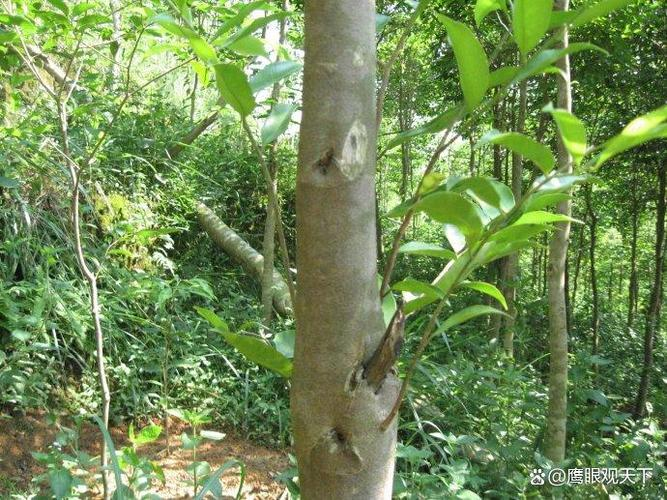
Thank you for your reading. Summary: the fragrance tree is a very market-oriented tree, and its planting techniques are increasingly gaining attention, with the planting of a fragrance tree requiring knowledge of many aspects, such as the habits of fragrance trees, the way in which they are grown and the conservation of fragrance trees, which are essential in planting the fragrance trees. Here, a detailed and specific study of the techniques used for the cultivation and care of sunken fragrances is presented. Keywords: symptoms; planting; tube protection; morphological characteristics of aroma 1 insect and pest, 50-90 cm chest length, 6-20 m high; tree bark gray, smooth, inner skin white, fibre developed and easily detached; foliage, elliptical, ovary or fall egg, 5-10 cm long, 2-5 cm wide, side veins 15-20; leaves of approximately 5 mm long, hairy. (b) an umbrella line or an armpit; and a fragrance, covered in wool; pyramids fall in round shape, woody, 2-3 cm long and approximately 2 cm long. The provinces of guangxi, yunnan and fujian are generally located below 400 metres above sea level and up to 1,000 metres above sea level. The area of distribution is located near the northern regression line and south of it. It is characterized by a high temperature, heavy rain, wet tropical and south asian tropical monsoon climate, with an average annual temperature of 19-25°c, an average temperature of 13-20°c in january and an average temperature of about 28°c in july, with an extreme minimum voltage of zero (-)°c, a yearly precipitation of 1,600-2,400 mm and a relative humidity of 80-88 per cent. A thick, fertilized, wet and loosed brick or mountain yellow border. Most are found in mountain rainforests or semi-green season rainforests. For the weak, positive tree species, the young ones are protected. 2 cultivation techniques for fragrance trees, specification of cave: 50 x 50 cm wide and 40 cm deep. Once the den has been dug, the topsoil will be filled back, together with base fat. Each application: 100 g of compound fertilizer, 100 g of phosphorus, 250 g of calcium per phosphate, evenly mixed with backfill. However, it should be noted that the order in which the fertilizer is dropped is followed by the mixing of the soil with composite fertilizers — with phosphorus, with calcium perphosphate — and with the planting of seedlings. The aim is to avoid direct exposure of the roots to compound fertilizers and to allow direct exposure of the roots to phosphorous and perphosphate for the benefit of rooting. Plantation should be carried out in such a way as to avoid revealing the foundation of the ground. After planting, the whole refill should be slightly higher than the caves, or open drains, so as not to accumulate water or earth in order not to rot. ~ 15 years or more on the parent tree. Usually in the months of june and august, when the fruit turns yellow and the seed is brown and tan, the branch is taken together. The harvested branches are dry in the ventilated areas and cannot be sunburned, after a period of two to three days, the shells are split and the seeds are released, and it is best to sow them in time. Otherwise it is properly stored, usually in sand, mixed with one-minute seeds and three wet sands, in ventilated, low-wet storage. Hide, but not more than 7-10 days. I don't know. In sap beds, seeds are planted in shallow ditches at lines ranging from 15 to 20 cm, or the seeds are spread evenly into the sap beds, and then the seeds are pressed lightly into the soil. It is appropriate to spread, soak and then cover a 1cm thick fire of dust or fine sand, so that the seeds are not seen, so that the grass is covered and the water is wet. If there is no natural shade, the shed should be constructed to maintain 50-60 per cent light. It's 5kg per acre, about 45,000 – when the seedlings grow 2-3 pairs of real leaves and are 10 cm high, they are moved to a nutrition bag on a rainy day or in the middle of the morning, with a small amount of river sand, cow dung and calcium perphosphate added to the soil. In general, the planting of sunken fragrances requires optimal nursery and post-plant transplantation. The time taken for transplanting wild scavengers is usually selected in the spring. In contrast, the transplantation of seedlings bred with nutritional kits optimized by nurseries does not require specific seasons, and usually only avoids the hottest and coldest part of the year. The aroma is more resilient, the soil is less demanding, and wind-to-light slopes, hills, and red or yellow borders can be planted. Plantation land with conditioned depths of up to 2 m x 3 m, or approximately per acre