In the moving boundary, the roller wire pole is an indispensable key mechanical component. It is the most commonly used moving element in tool mechanics and precision machines. Its main function is to convert rotational motion into linear motion, and because of its small friction resistance, roller wire is widely used in various industrial equipment and sophisticated instruments。
Rolling-in-the-roll
01
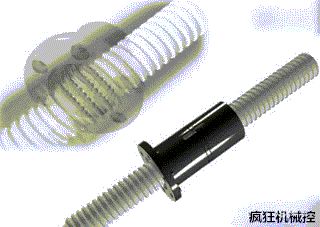
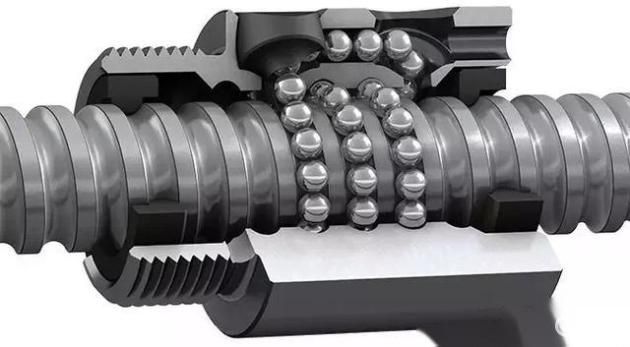
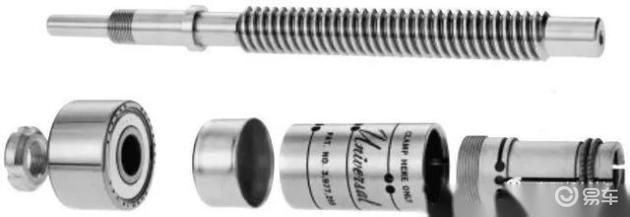
Rolling wire bars consist of screws, nuts, steel balls, pre-pressure plates, reversers, dustproofers. Its function is to transform the rotational motion into a straight-line movement and to transform the bearing from a slide to a rolling action。
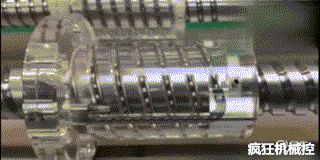
In 1898, for the first time, attempts were made to add steel beads between the screws and the screws, to convert the slide contact of the traditional screws into rolling contact; to replace the slide friction by rolling frictions, to convert the revolving motion of the steel beads in the screws into linear motion, and to convert the twists into a axis-directed repetitive force, thereby improving the poor positioning and vulnerability of the traditional screws。
The rolling wall was invented by rudolph g. Boehm, texas, and awarded a united states patent in 1929。
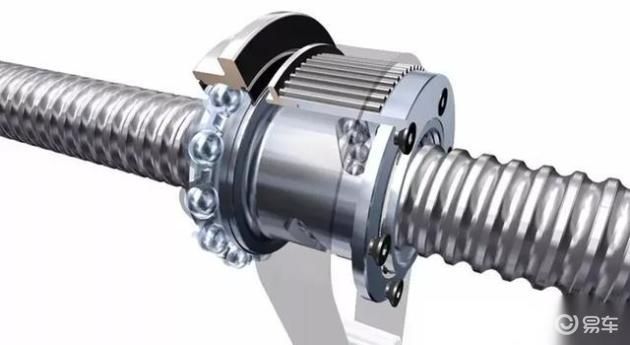
When the roller wire is used as the active, the screws are converted to a straight line of motion along the direction of the silk pole to the corresponding specification, and passive pieces of work can be connected through the screws and nuts, thus achieving the corresponding straight line of motion。
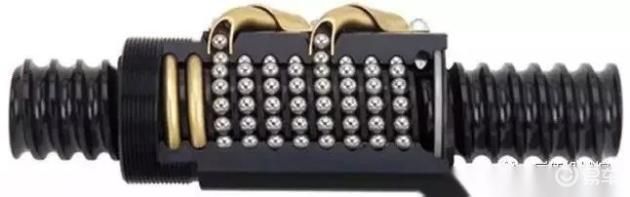
Rolling wire bars are metal, usually made of steel, and consist of a screwdriver and a screwdriver, which matches the screwdriver。
Inside the groove, it's contained in a nut of small balls made of chrome steel. When the ball circulates in the nuts, the ball provides a smooth motion at the bottom of the spiral, a steering board or a return system to maintain the ball and to allow them to circulate through the nut。
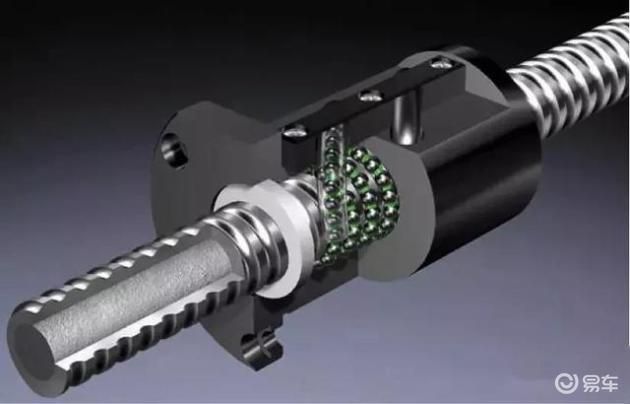
When used with the electric power, roller wires are as efficient as 90 per cent. They're quite precise, a thousandth of an inch. A number of industries use roller wire bars for precise control, including aerospace, computers, electronics, automobiles and medical industries。
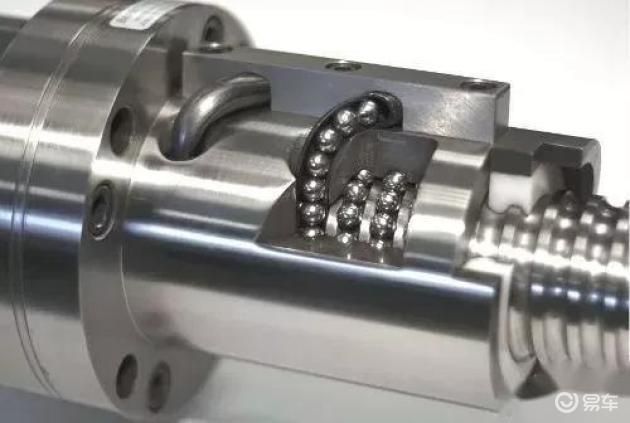
Rolling wire bars are also frequently used in manufacturing processes and are common in robotics, automated assembly lines, material processing equipment, transmitters, machine beds, electrical cord control and precision assembly equipment。
02
Rolling wire bars are made up of screws and nuts, each with matching spiral troughs, between which rollers provide the only contact between the nut and the screw。
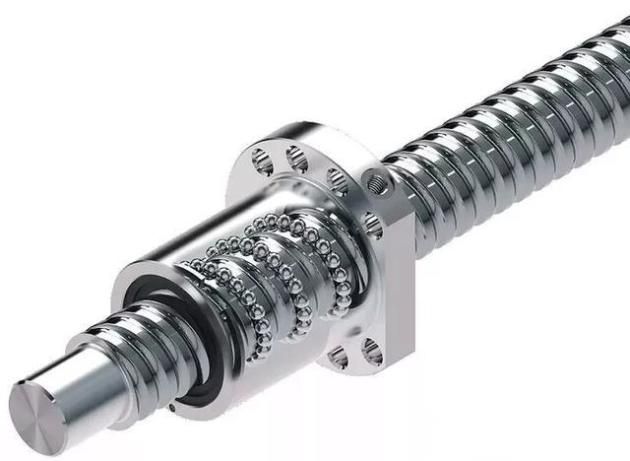
When the screw or the nut rotates, the ball is shifted by the deflector to the ball of the nut and they pass through the return system to the relative end of the ball. Rolling beads then exit from the return system to the roller wire and screwdrivers to be recycled in closed loops。
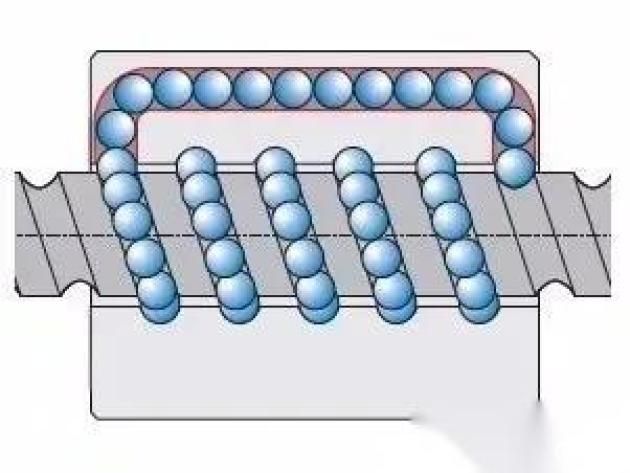
The rolling nut determines the load and life of the rolling wire assembly. The ratio of the number of screws in the rolling jack's return road to the number of screws on the rolling wallet bar determines that the rolling jack will reach the level of exhaustion (write) faster than the rolling ball。
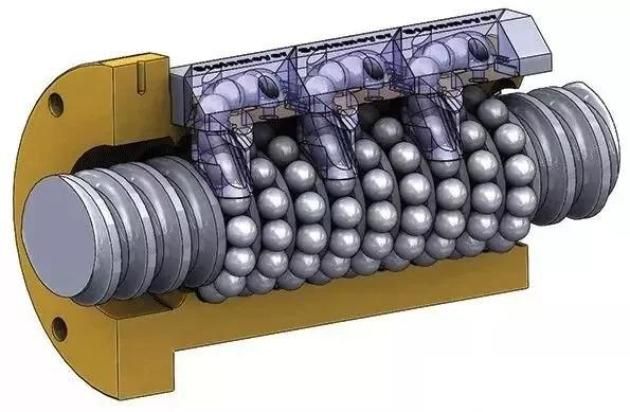
Rolling nut consists of two types of roller-back, exterior and inner cycle。
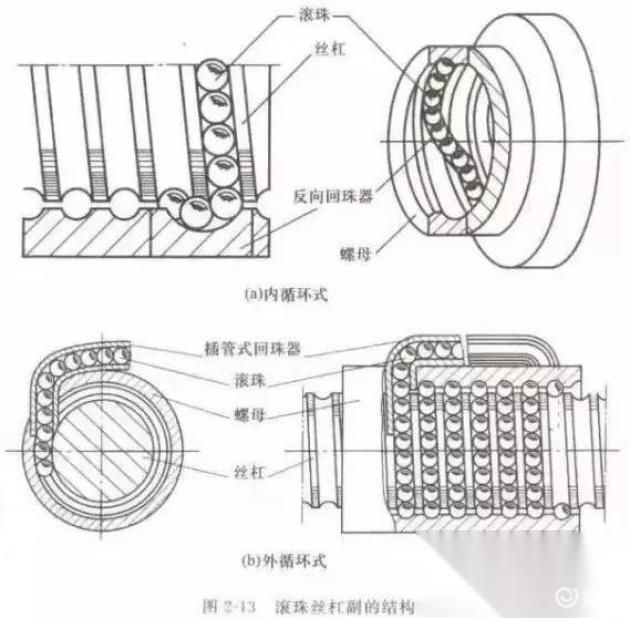
Exterior circulation: rolling beads return to the opposite end of the circuit through the return tube, which is highlighted over the diameter of the roller nut。
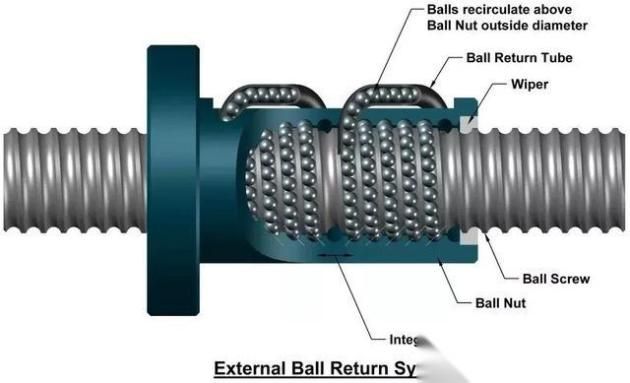
Out-cycle rolling nut
Internal circulation: rolling beads return by or along the screw wall, lower than the diameter of the roller nut。
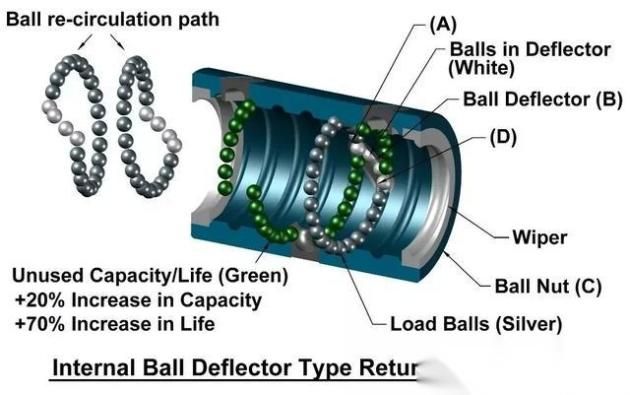
Cyclops
The inner cycle has a rotational circuit (as shown in the figure above) where the ball is forced to climb through the screw top of the screw through the return system, which is known as the internal return system of the cross-rotor type. In a roller nut type of cross-reverser, the roller ball rotates the axis only once and is closed by the ball deflector (b) in the turner (c), allowing the roller to cross (a) and (d) between the adjacent dents at point point。
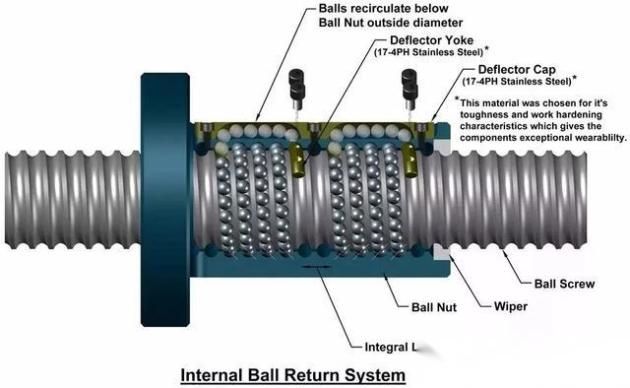
Cyclops
When the long roller wire is rotated at high speed, it starts to vibrate once it is finer than the natural rhythm of the axis. This is called critical speed, which may be detrimental to the useful life of the roller wire. (secure speed should not exceed 80% of the screw threshold)
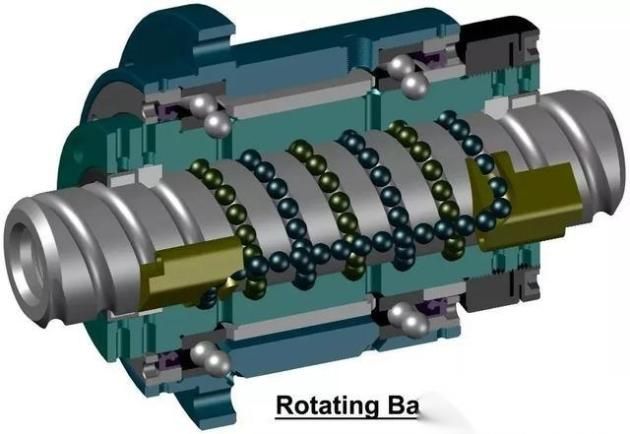
Rotating nut component
Some applications require longer axle length and high speed, which is where rolling nut components are required。
03
The rolling stock bars were originally produced only in advanced industrial countries such as the united kingdom, the united states, germany and japan. Since 1982, ho fung precision has been producing roller wire bars at the tanchon plant in taijung county, officially opening the era of taiwan's own production of such high-precision parts。
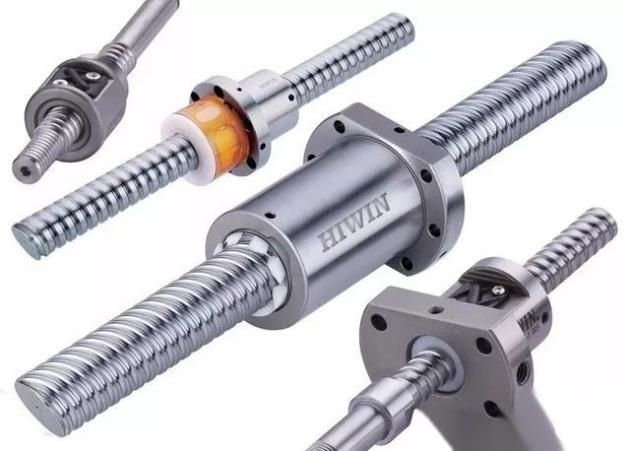
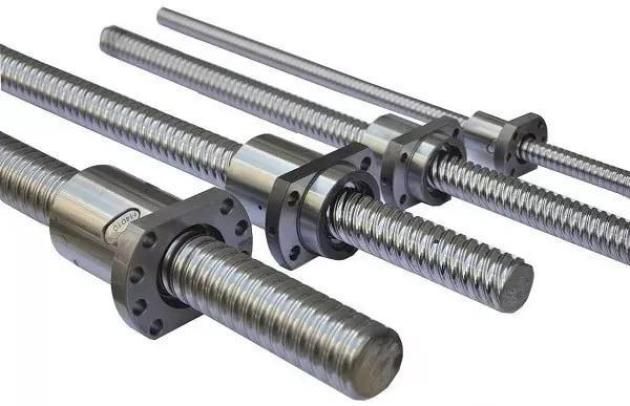
In 1989, ho hong changed and changed his name to silver technologies (hiwin). Silver has become the world's third largest machine (the first two japanese manufacturers thk and nsk)。
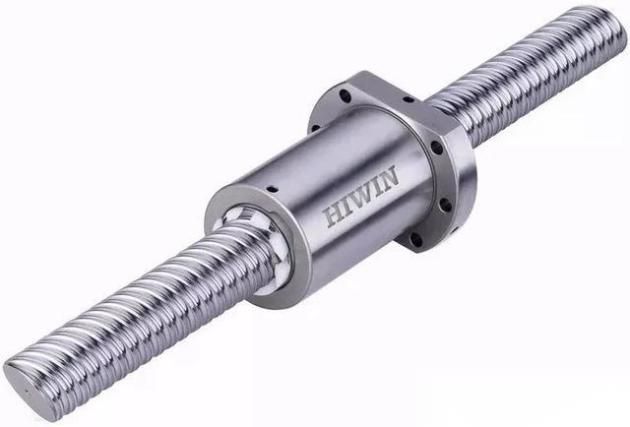
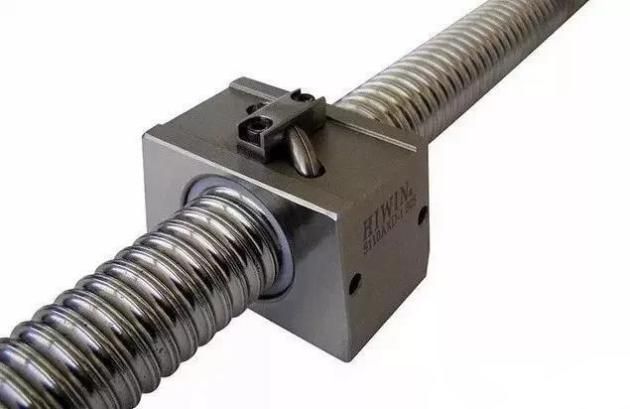
The second largest market share of a rolling stock pole is the japanese company nsk, founded in 1916, which is the first in japan in the field of axle bearings and also the world。
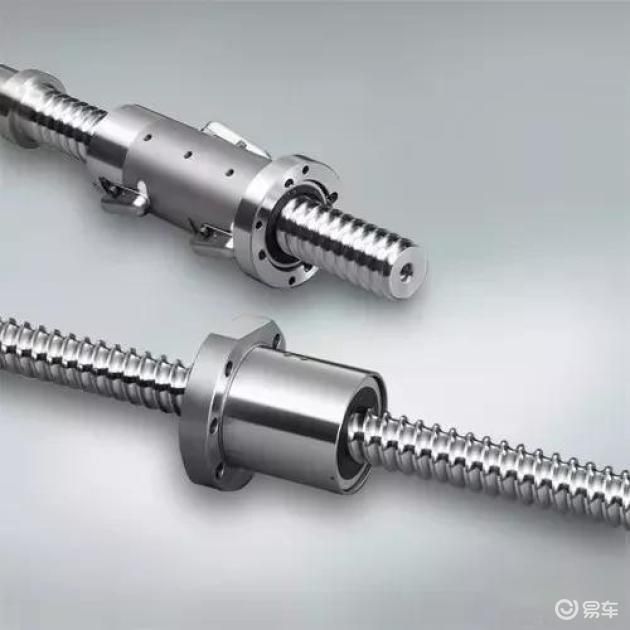
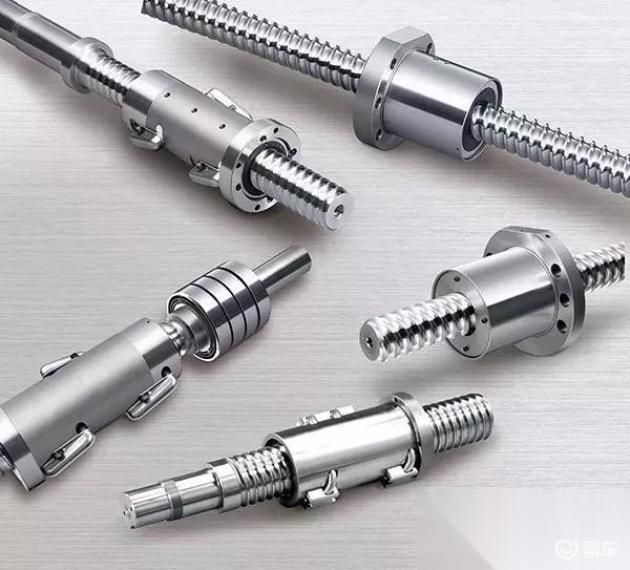
Nsk roller poles are widely used in semiconductor manufacturing, machine beds, retrofitters and other general industries。