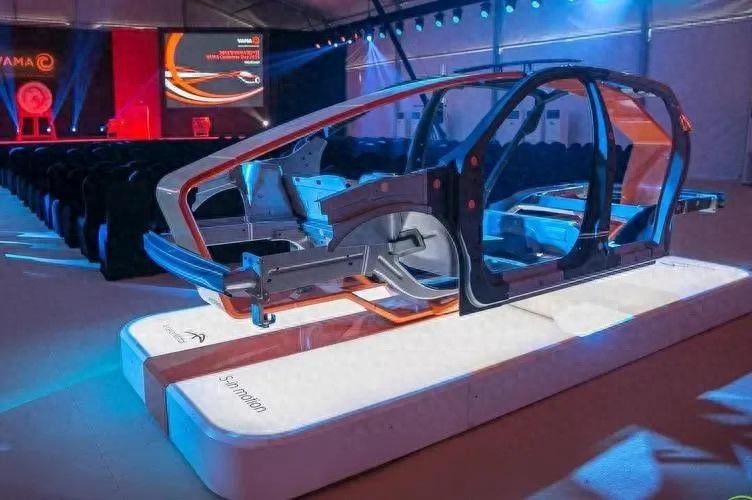
Diversion is a technique that assists drivers in reducing the intensity of the steering wheel, and it plays an important role in the safety and economic nature of vehicle movements. There are three main types of conversion-aid systems: mechanical hydraulic-voltage systems, electronic hydraulic-aid systems and electric-aided systems。
Mechanical hydraulic transition systems consist of hydraulic pumps, pipelines, pressure flow control valves, v-pattern belts, storage tanks, etc. Whether or not the vehicle is diverted, the system is to work, particularly at a low-speed high rate, requiring larger power output from the hydraulic pump to gain greater help, which is partly a waste of resources, and the hydraulic pump pressure is more likely to damage the aid system. As a result, the system has been phased out in passenger vehicles。
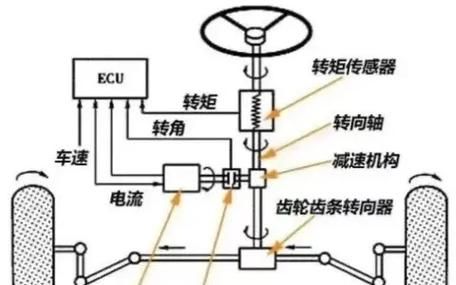
The electronic hydraulic aid system, on the other hand, adds an electronic control unit to the mechanical hydraulic system, allowing for more precise control of the help. It uses electric pumps instead of traditional hydraulic pumps, and the electronic control units calculate the optimal state based on signals such as vehicle speed, direction, etc., so as to achieve a high power output at low-speed turn-off, thus reducing the driving power in direction; and at high speed, the electric pumps operate at lower speed and save engine power. Such systems are now more commonly used。
In addition, the electro-assisted conversion system uses the power generated by the electric drive to assist the driver in the transition. The main components include rectangular sensors, electronic control units, electrical motors, brakes, mechanical transformers and battery power. When the vehicle turns, the transcretion sensor senses the power rectangular and the direction of the steering wheel, the signal passes to the electronic control unit, the electronic control unit gives instructions to the electric motor controller, and the electric motor output produces a boosting turner. If the switch is not made, the system is dormant pending call. Such systems, which have the advantage of being light and flexible, increasing the safety of active driving and saving energy, are now widely available in passenger vehicles。
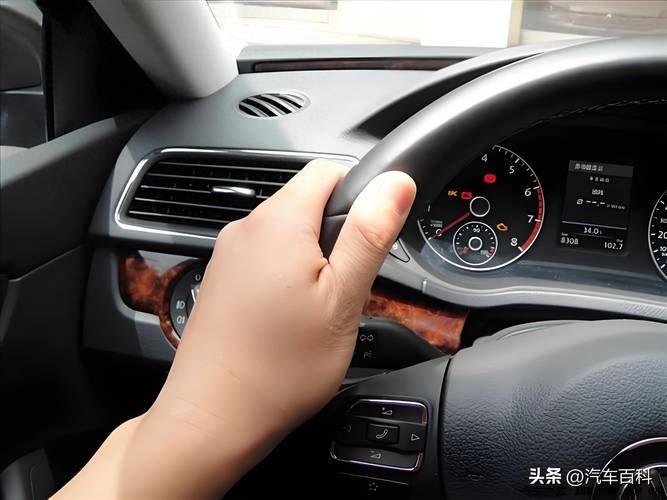
The working characteristics of the shift to a support system make the driver feel more stable on the wheel as he travels at high speed and more flexible as he moves at low speed. For example, while travelling at high speed, directional enablers are reduced or disappearing, road senses are enhanced, and control stability is guaranteed; when moving at low speed, such as turning and turning back, the help is increased, making the driver easier. The shift to assistive systems therefore plays an important role in enhancing driving experience and safety。
It is important to note that the maintenance of the shift-up support system is also important. For mechanical hydraulic systems, it is necessary to ensure that the storage tanks are sufficiently fueled to avoid long-term caps and to be careful whether the turn is heavy and noiseless. For electronic hydraulic systems, attention should be paid to the amount of booster oil and warning lights should be checked in a timely manner. The electro-assisted system is simple in structure, but maintenance requires specialized instrumentation and timely processing when it is heavy or insensitive。
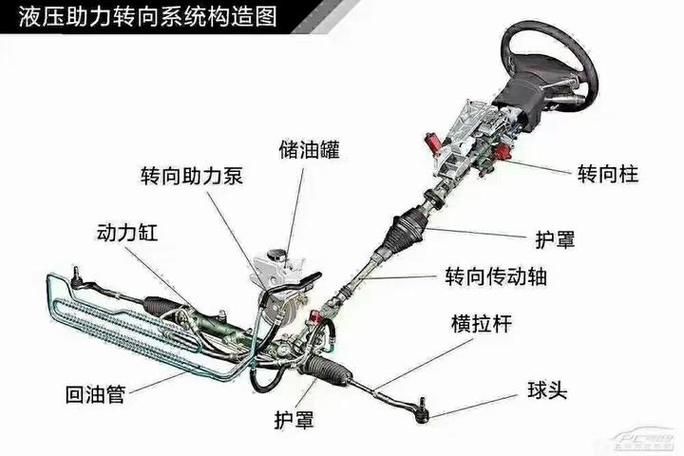
In general, the shift to assistive systems provides drivers with a more comfortable and safe driving experience through different working principles and structural designs. Whether mechanical hydraulics, electronic hydraulics or electro-assisted systems, they are constantly being improved and optimized to meet different models and driving needs。