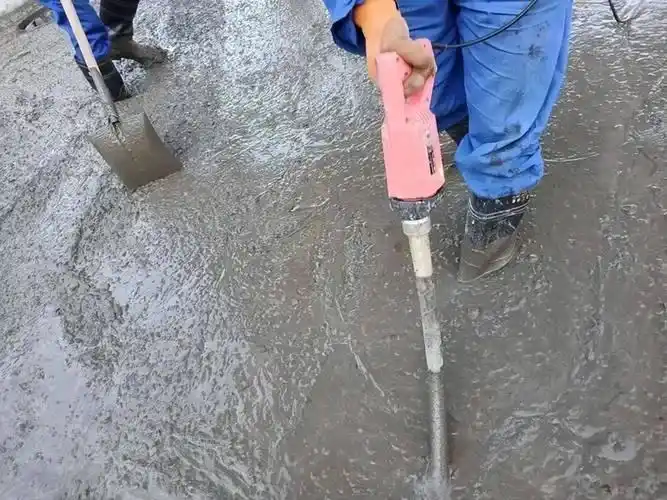
Concrete cracks often originate from multiple factors. During the construction process, if the construction process is poorly controlled, it is highly likely to lead to cracks. At the same time, problems with the quality of raw materials, the legitimacy of matching, and neglect in field management may also be contributing factors to concrete cracks. In-depth analysis of the causes of these cracks and targeted presentation of control measures are essential to improving the quality of the works。
Causes of concrete cracks
The issue of raw materials
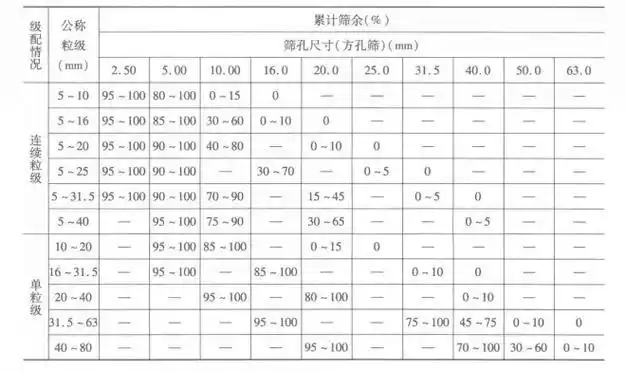
The poor quality of raw materials is one of the major causes of concrete cracks. In particular, scalding breaks in coarse bones, subsamples and excessive mud content can trigger concrete contractions and induce cracks. In addition, the type and quantity of concrete additives that are not commingled in proportion to the ratio increase the contraction of concrete. Moreover, failure to meet the requirements for the variety and grade of cement can also lead to early contraction of concrete, which in turn triggers cracks。
Improper matching
When combined with the design, too much cement is used in each concrete, which leads to an increase in the temperature inside the concrete, which in turn triggers a temperature crack. At the same time, too much water is being designed to cause a high level of concrete collapse and poor ease, leading to early cracking。
Problems in construction
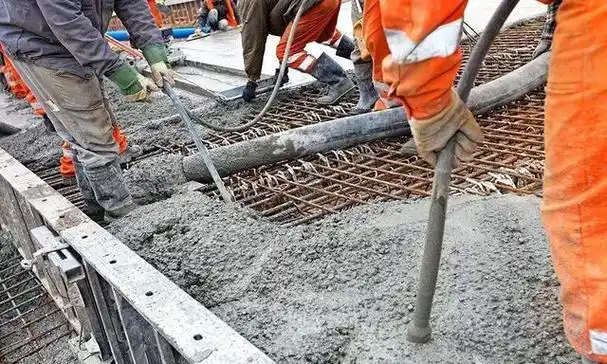
The failure of the construction staff to comply with the technical requirements or the inappropriate placement and spacing of the blast rod during the concrete-planting process may lead to a concrete leak or shock time, thus affecting the quality of the construction and causing cracks. In addition, concrete mixing and time constraints can lead to uneven mixing, especially when mixed. The distance between the blending building and the site-filled site, and the long transport time lags, can also lead to a deterioration of concrete and ease, increasing the risk posed by cracks. At the same time, the watering process has been too long and can easily become cold. After the irrigation has been completed, the absence of at least three lacerations may also lead to the creation of surface cracks. In addition, temperature cracks can occur when temperature protection or cooling measures are inappropriate after concrete has been put in place, resulting in internal and external temperature differences. Finally, excessive wind speed and temperature at the construction site may also lead to early dehydration of concrete, which in turn triggers constrictions。
Zero-two crack control
Material selection
On the basis of matching, we need to carefully select the appropriate cement varieties and grades. At the same time, it is important to ensure that the rough bones used are in accordance with the normative requirements and that their sludge content, water content and organic impurities are rigorously tested before use. We recommend that preference be given to small and medium stones of fine sand and suitable grains, and ensure that the amount of sand is less than 3 per cent and the amount of small and medium stones is less than 1 per cent. In addition, strong tests of rock strength are required to ensure that it is not less than 60 mpa. For rough bone content exceeding the standard soil content, it shall be washed until it has been verified that the material can be used for concrete production。
Compatibility with design controls
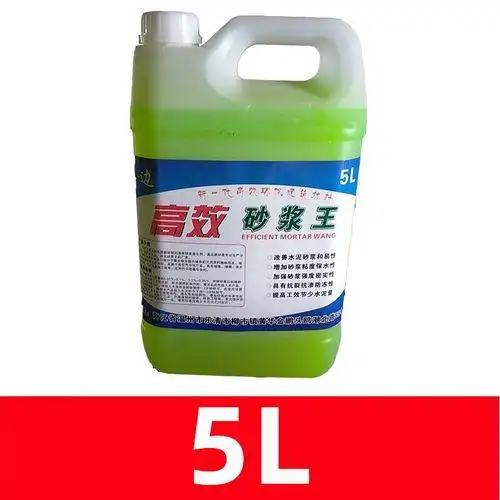
Following the guidelines for the design of watermen's concrete compatibility (di/t5330-2015), we must elaborate concrete matching based on indicators such as the level of concrete strength required by the project design, anti-freezing resistance, etc. In the design, the amount of water used should be strictly controlled to ensure that it does not exceed 170 kg/m3 and that the glue ratio should not be greater than 0. 60. In order to improve concrete and ease, the use of gas and water abatement agents is recommended for reasonable mixing。
Construction process control
2. 3. 1 template installation and demolition
This project uses a steel template, the strength, intensity and stability of which are required to meet the design requirements. Templates are fixed through scaffolding and wall-to-wall poles to ensure that the installation is robust and to prevent the template from moving. The sutures of the panels are sealed with tape to prevent concrete leakage, thereby affecting their homogeneity. The removal of the template is subject to the " construction code for the water and hydropower engineering template " (dl/t5110-2013) and related technical standards。
2. 3. 2 concrete preparation to transport
Commodity concrete preferences. In the case of self-mixed concrete, the raw materials will be tested, along with the quantity equipment of the mixing building. Adjustments to the construction matching are made on the basis of satisfactory raw materials and quantities of equipment, based on such factors as design matching, water content of raw materials and ultra-lowness. The construction unit is required to develop a concrete and quality control system and to provide safety technology to the mixer operators。
Concrete is transported by tankers to maintain the homogeneity of the mix. Water from the tank shall be removed prior to filling. Because of the likely longer interval between site construction, the addition of additives to adjust concrete and ease requires rapid mixing and realistic determination of the time of mixing. It is strictly forbidden to pour water into concrete tankers。
2. 3. 3 concrete construction
Before concrete is laid, the miscellaneous items in the template must be thoroughly cleaned and the size of the installation of the template, the size of the steel band and the spacing, etc., carefully checked to ensure that they all meet the design requirements. Next, concrete-stretching should minimize the impact of bumps on steel bars, templates and prefills to prevent unnecessary damage. In the case of a layered approach, the bar should be inserted into the lower layer of approximately 5 mm to ensure that concrete forms a whole and avoid creating cracks. At the same time, the planting process should be continuous to ensure the homogeneity and confidentiality of concrete。
After the construction has been completed, concrete should be scrubbed at least twice before the initial condensation in order to further enhance its depth. The plastic sheeting is then wetted to prevent moisture loss. Under wind or high-temperature weather conditions, composite earth membranes should be used for coverage to better maintain the water content of concrete and avoid the production of dry cracks。
2. 3. 4 concrete conservation
Concrete conservation is a key element in increasing its intensity. In order to ensure conservation effectiveness, a dedicated person should be assigned responsibility for this work and a clear system of rewards and penalties should be developed to enhance accountability. In addition, with regard to large concrete structures, such as reservoir dams and reservoirs, water spill maintenance may be difficult owing to the extensive construction work. It is therefore recommended that conservation be carried out in the form of black-heart cotton cover combined with drip belts to ensure that concrete surfaces remain wet at all times。
When building concrete during high-temperature periods in the summer, particular attention should be paid to avoiding high-temperature periods and choosing to do so at lower early and late temperatures. This will effectively reduce the rate of loss of concrete moisture, thereby reducing the risk of dry cracks。