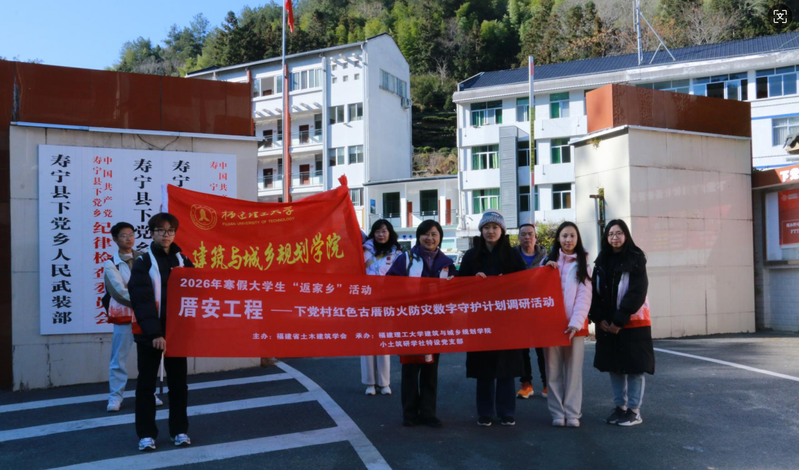
In recent days, the institute of construction and urban and rural planning of fujian polytechnic university travelled to the lower village of suning county in ningd city to carry out a special operation to return home from the winter holiday “three villages”. The youth team, consisting of teachers and students, centred on “cultural fire prevention experience + digitalization” and with red landmarks and ancients in this “national anti-poverty campaign” village, designed fire prevention solutions and protected cultural heritage with youthful wisdom。
As a traditional village in china, the village of the lower party, 86 mingqinghu residences, and 12 red landmarks, are shown to be interesting, and the main preservation unit for cultural objects throughout the country, zhu fengbong bridge, is a model for the construction of a wooden archipelagic bridge. For a long time, villagers have inherited traditional fire prevention practices, such as planning fire protection systems, protection of earth walls and the development of fire prevention conventions, and have built safe lines from generation to generation. However, new challenges, such as high wood structure and inadequate fire-fighting facilities, need to be addressed as the red tourism heats up and the flow of the ancient population increases。
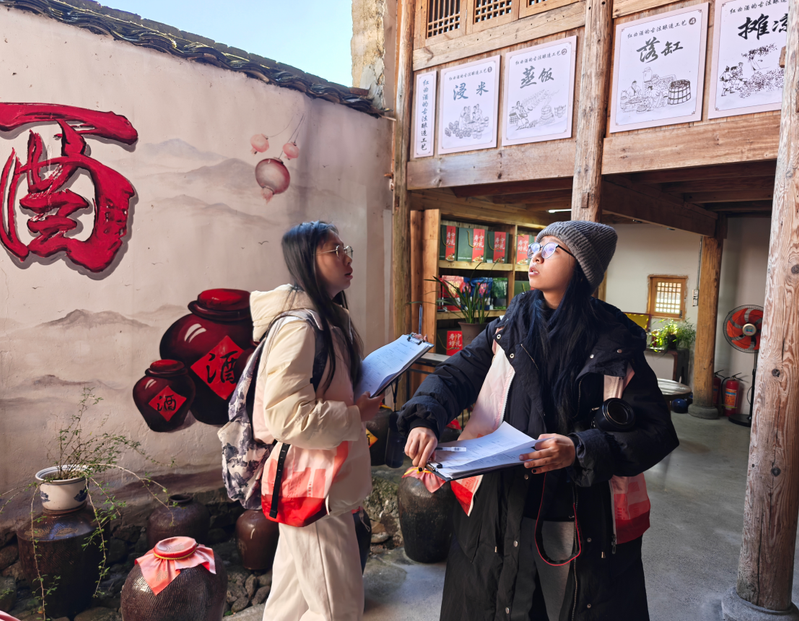
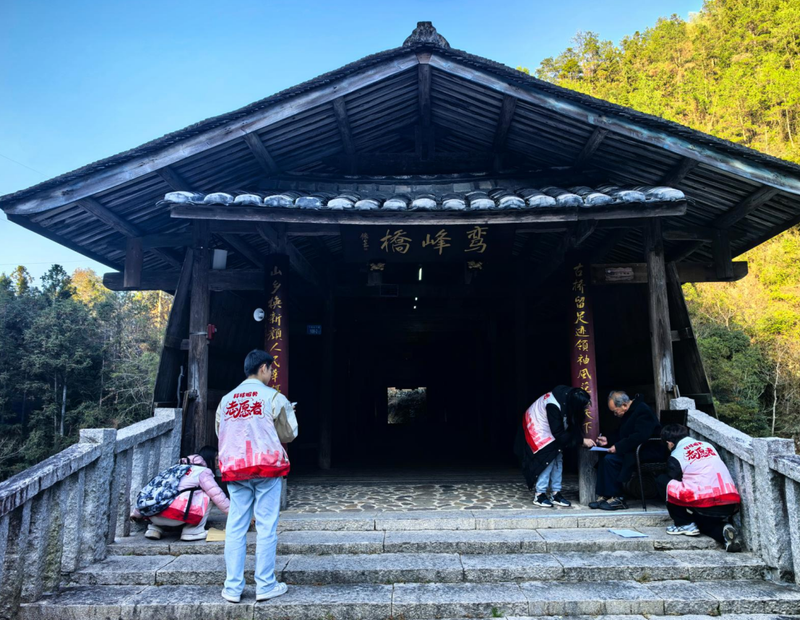
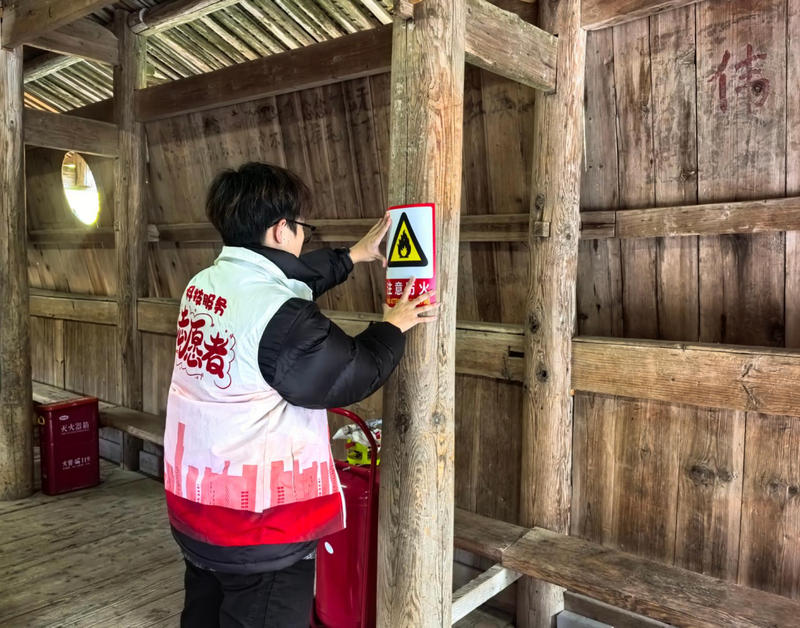
The practice, which was hosted by the civil architectural institute of fujian province, is a priority project for the school's “three villages” to return home. In keeping with the concept of “respect for tradition, technology and empowerment”, the team sought first from villagers and firefighters to systematically adapt local traditional fire prevention wisdom as an important basis for programme design. In this context, the technical team carries specialized equipment to map priority areas such as the peak bridge, the red pavilion and the residential areas, to accurately record data on building structures and fire-fighting facilities and to create “one-stop” digital fire files。
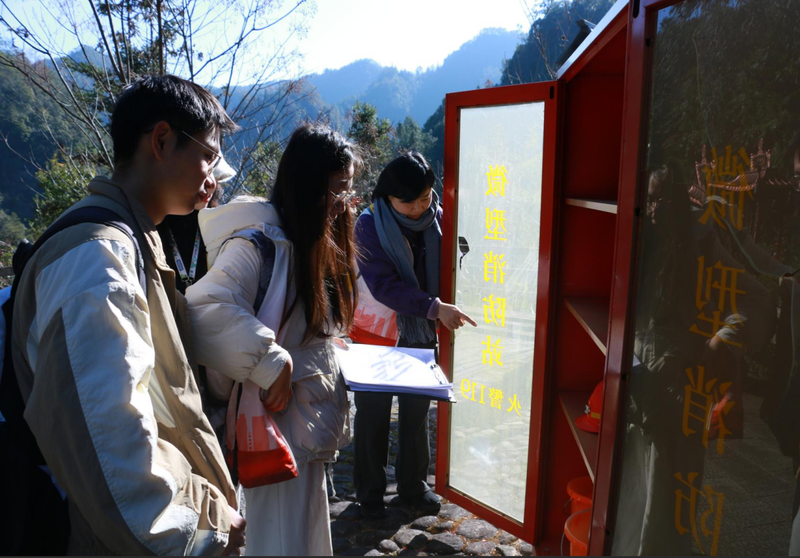
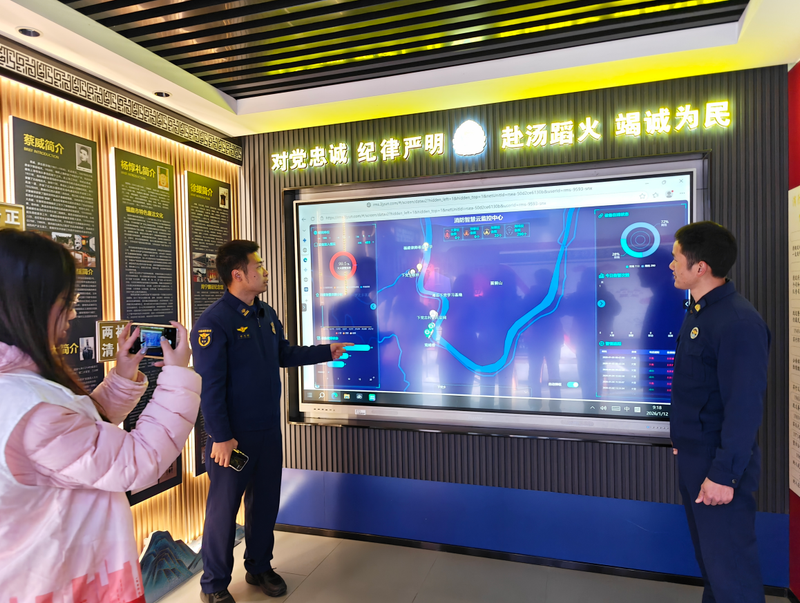
In the course of the study, the group visited 25 villagers and 5 host families, interviewed 48 tourists and 2 firefighters, recovered 150 valid questionnaires, and fully assessed the actual demand for the optimization of traditional fire models and the application of smart equipment. The outreach group signed a cooperation agreement with the village committees to finalize the first pilot upgrades of the peak bridge and the core residential areas, with a clear timetable for follow-up. The team also went to the lower party fire stations and worked with the basic firefighters on the “traditional+technology” fire-fighting collaborative path to construct a multi-dimensional model of synergy protection。
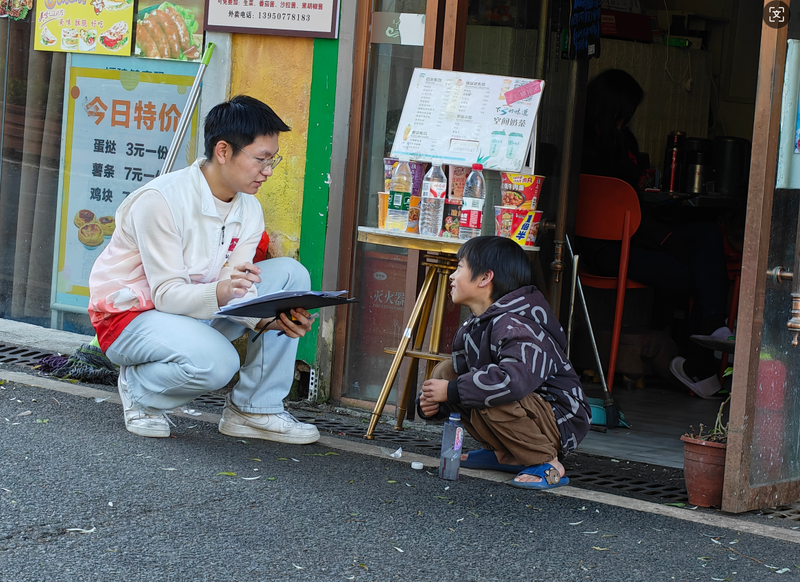
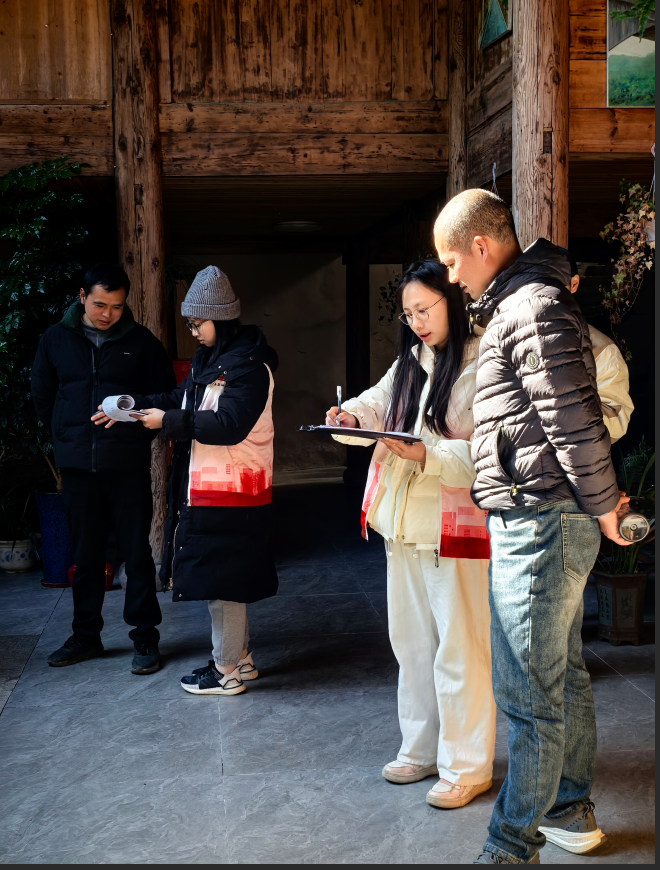
The science outreach component, team innovation, uses the “research + science” embedded model. When visiting interviews and collecting questionnaires, volunteers synchronized the distribution of customized science flyers, a promotional material that combines red landmark profiles, traditional fire-prevention experiences and modern fire-prevention common sense, making it easy for villagers to understand. In the context of popular questions, one-on-one oral presentations were conducted, with a cumulative coverage of 126 people, using popular language to explain the fire-proof features and emergency techniques of wood buildings, and to effectively raise awareness of safety and security for all。
The lower party village council gave high recognition to the practice, considering that the team brought a professional digital perspective and provided a strong support for the development of the industry. It has been learned that the project will integrate findings, incorporate traditional fire-prevention experiences and build a chain-wide fire-prevention solution。
The practice of returning to their homes is both a vivid practice in the service of rural renewal at the tertiary level and an active growth journey for young students. The young people of fujian polytechnic university, rooted in tradition and based on science and technology, fabricate a comprehensive fire safety net for the lower party, allowing cultural heritage to continue to rejuvenate the countryside under the dual umbrella of “traditional + modern”。