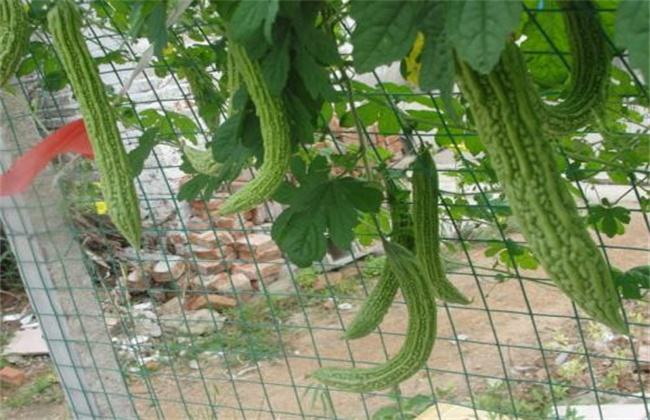
When we buy bitter melons, we find some straight, some crooked, some small tails. Although prices are cheaper for bends and small tails, they tend to choose to buy expensive straight-melons. Based on this buying habit, it is possible to know that “blank, small tail” deformities are not popular with consumers。
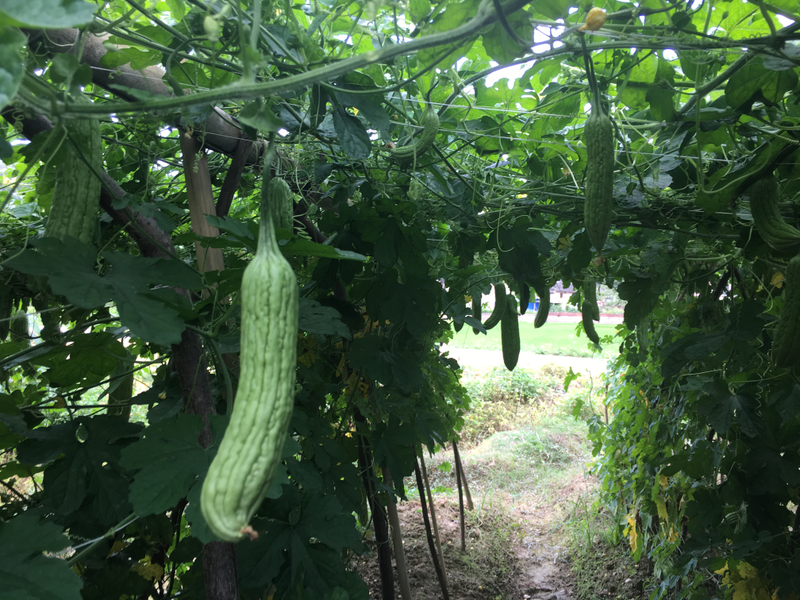
It was sad for the family that they had recently been helping them to pick up the bitter melons, and had discovered that many “mature melons” had grown this year. Because deformity prices are relatively cheap, they are usually sold at a low price or are thrown into the fields to rot, thus reducing overall production. What's a freak? It's really a particularly ugly, bitter melon, like a crooked, small tail. Although the melons do not lack bitter taste, they do not taste as straight. Now, i'm going to share how to manage it so that we can avoid the problem of the bitter gourmet。
The proper planting is the key
Suffering melons are produced in subtropical areas, and seed sprouts are suitable for temperatures ranging from 30 to 35 degrees celsius and are heat-resistant and cold-resistant crops. The timing of seeding determines the timing of the flowering results, and the choice of winter for field planting not only affects the seeding rate, but the low temperature results tend to become “mature melons”, thus reducing their commerciality。
When's the seed? Because the climate in the guangxi ling mountain is warm and comfy, it is suggested that spring (in february or so) be chosen for sowing. This will increase the growth capacity of the plant and, in due course, enter the flowering and harvest period; if the seeding is carried out late, the flowering results meet high temperatures and can easily produce “modes”. The importance of planting in due time may not be taken seriously by many friends. In fact, it is possible to think that the field planting of bitter melons requires a natural climate that is compatible with the nature of its growth in order to be able to successfully enter the gestation, nursery, chicken and flowering seasons。
2-step management to avoid the presence of deformity and increase commerciality
Water supply management:
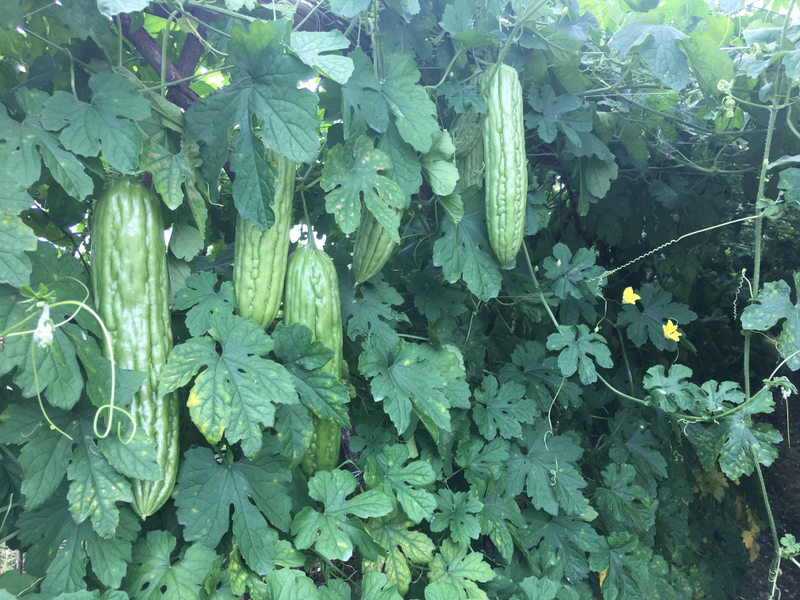
After the flowering season, the bitter melon is growing differently from other crops. Not only are growth capacity strong, but nutrition goes hand in hand with reproductive growth. Plantation requires more water consumption to sustain this growth pattern. Without timely water supplementation, planting organizations in a water-deficit state tends to grow “moderous melons”. In other words, the lack of moisture is one of the main reasons for seeing the growth of “mature melons”。
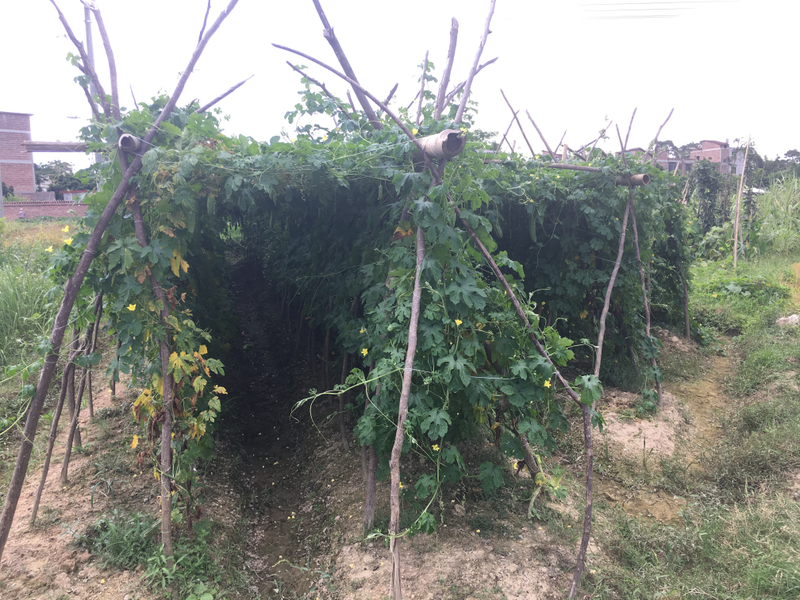
How to pour water? Although the bitter melon prefers a wet soil environment, which, together with the high amount of water required during the flowering period, is highly taboo about soil accumulation. Overfilling and failure to release water in a timely manner can damage the health of the plant's roots and, in serious cases, the death and death. It is recommended that deep trenches be used for planting so that drainage can be promoted and the fields wet. Many friends do not know when to pour, but when to see the surface of the soil dry, it is managed。
Fertilizer management:
The above-mentioned high demand for water during the flowering season is the greatest demand for nutrition. In the absence of timely fertilizer management, it can easily lead to poor growth of plants, which can result in the growth of “deformed melons”. In other words, the lack of nutrition is two of the main reasons for seeing the growth of “mature melons”。
How do you fertilizer? Although the bitter melon prefers a fertile soil environment, it is forbidden to apply strong fertilizers directly to the root and is subject to frequent fertilization in the precipice period. I recommend that manure be used to manage the flowering results. It can bring rich nutrients and harvest green bitter melons. For example, two or so fertilisations were performed after the chickens were pumped, resulting in three or so fertilisations and three or so harvests and pursuits. Each bowl of manure is applied to it, which is buried about 18 to 22 centimetres apart。
How can we avoid the effects of the disease in the long term
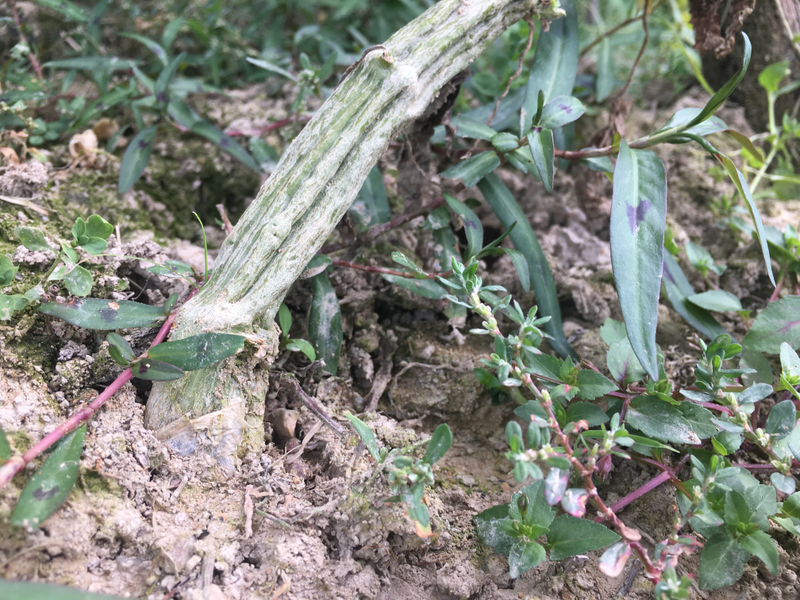
The epidemic is generally caused by parasites, viruses, bacteria, etc., and endangers the whole period of growth of the bitter melon, which is frequent around 30 degrees celsius, i. E., the period of flowering. Suffering from the disease affects normal growth and ultimately reduces overall production, thereby reducing farmers ' earnings by half. (performance of disease-related effects: first, there was a dark green spot, then the melon wrinkled slowly, and finally rotting
How to prevent it? Either disease can be prevented through prior work. In the case of the plague, the following four areas need to be managed. The first is the disinfection of seeds prior to planting; the second is to ensure a smooth discharge of the field and avoid the problem of water accumulation during the rainy season. The third is scientific rational water and fertilization to avoid root damage. Fourth is the timely trimming of dense leaves and the enhancement of the ventilation and light of plants。
How are seeds disinfected? Using rhesus, the water is diluted by 600 times the water: 1 times the potion, and immersed for about 25 minutes。
How? Once the disease is detected, it is necessary to remove the disease and avoid re-infection of the bacteria, while spraying chemical water for disinfection makes it possible to save the whole plant。
Treatment: using rhesus, the water is diluted at a ratio of 600 times the water: 1 times the potion, and can be sprayed about three times during high temperatures。
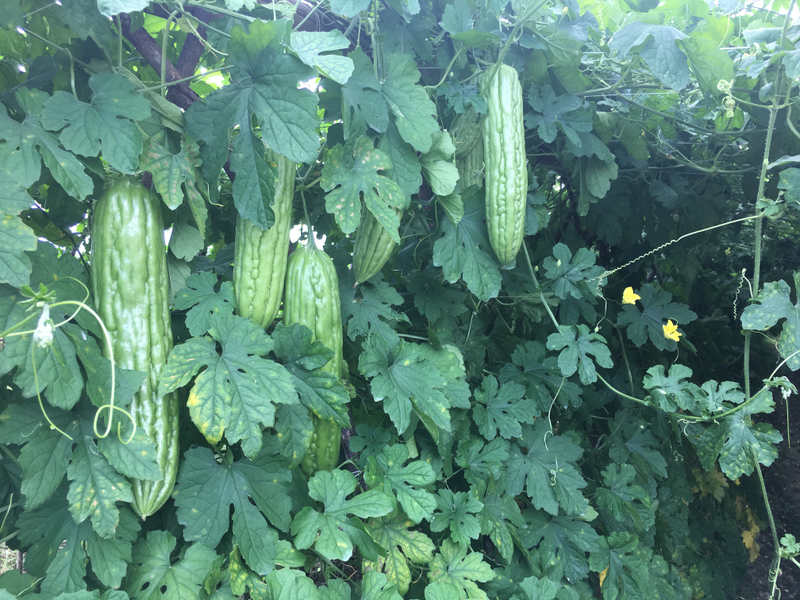
In short, the problem of the bitter “mature melon” is more common in the outcome period, and a smaller number does not affect yields and gains, and a larger number undermines farmers' earnings. In order to avoid the emergence of “moral deformities”, it is necessary to select the right time to sow and to manage fertilizer and water later, so that the demand for plant results can be met. In addition, during periods of high temperatures and rainy seasons, pest prevention measures are needed to prevent the decomposition of fruit。