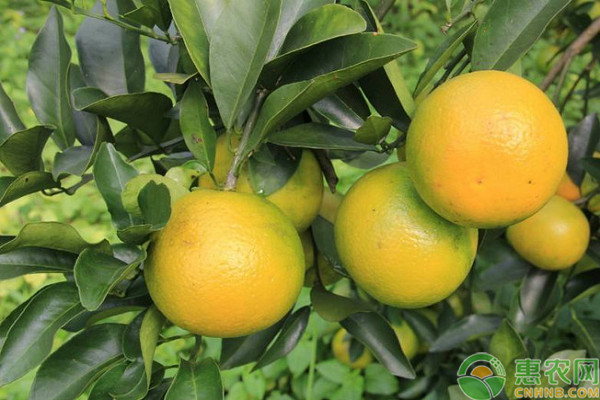
As one of the globally important citrus fruits, oranges have stable market demand and significant economic value. They are highly adaptable and have good prospects for development in subtropical to warm temperate areas. Through improved and intensive management of varieties, modern orange gardens can achieve high-yield, high-quality and sustainable production, with a vast industrial chain extension and a competitive agricultural project. Here's an orange cultivation technique and management。
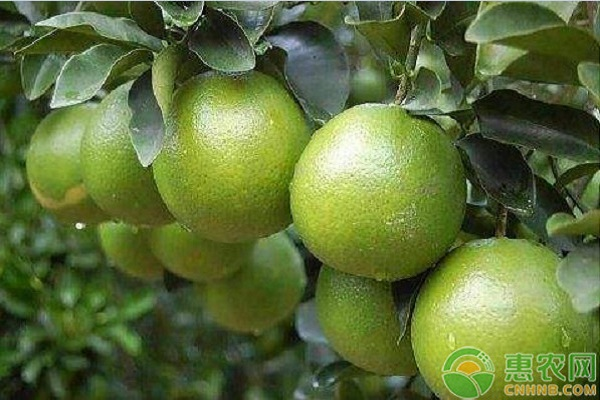
I. Parking and diversity selection
1. Eco-location
Orange trees are warm and wet, with plenty of sunlight. Parks should select areas with average annual temperature of 18-22°c, annual precipitation of 1000-1500 mm, and no severe freezing during winter. Soils are good at ph 5. 5-6. 5, deep, fertile, well-watered sandy or bordery soil。
The slopes require the construction of terraces, which should open drains. Campus planning needs to include road systems, wind-resistant forest belts and irrigation facilities, where protected forests reduce wind speed by 30-40 per cent and effectively reduce wind hazards and water evaporation。
2. Varieties science configuration
Choices are differentiated according to market demand and ecological conditions. Pre-maturized varieties can take over the market, with medium- and late-term varieties benefiting from longer supply periods. Primary plant varieties need to be matched with 5-10 per cent of pollination trees and ensure inter-cropping。
Ii. Cultivation management
Standardized planting
The selection of a virus-free container, 60-80 cm tall and a tuber of more than 0. 8 cm thick, is good. The size of the den is 1 x 1 x 0. 8 metres, with 20-30 kg of corroded organic fertilizer applied per den. Plantation density is adjusted to the characteristics of the species, with a routine range of 3 x 4 metres。
It's good to plant it before spring or autumn. After planting, water is poured out of the water and covered with straw, maintaining soil moisture at 70-80 per cent。
2. Precision fertilizer water management
The larvae follow the principle of “hard weight and diligence” and catch up six to eight times a year to promote canopy formation, mainly through nitrogen fertilizer. For adult trees, the formula is applied, requiring 0. 5-0. 8 kg of pure nitrogen per year and the ratio of potassium nitrogen phosphorus is 1:0. 5:0. 8。
Using drip irrigation or microjet techniques, soil content is maintained at 60-80 per cent of the water held in the field. The period of flowering and early fruit expansion is a critical period for water, when water scarcity leads to an increase of more than 20 per cent in the incidence of falling fruit。
3. Orthopaedic trim
Natural roundheads and happy forms are the dominant tree. The larvae focuses on three main branches, with adult trees mainly trimmed, keeping their crowns ventilated, and leaves and fruit ratios at 20-25:1。
The summer trims control the long branches and the winter trims adjust the tree structure. Every year, shears do not exceed 25 per cent of the total canopy, ensuring a balance between nutritional growth and reproductive growth。
Iii. Green pest control
1. Prevention as an integrated approach
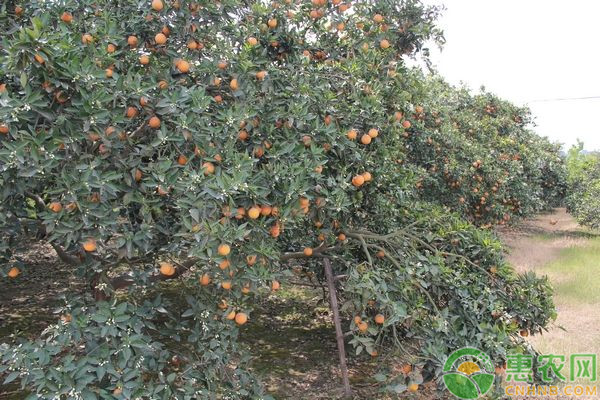
Establish early warning systems for pest and disease monitoring, with priority given to agricultural and biological control. Cultivation of plants and the release of natural enemies such as dictums can reduce the use of chemical pesticides by 30-50 per cent。
The clean-up of gardens is key to prevention, and the complete elimination of disease branches, leaves and fallows during the winter and the spraying of thiomers throughout the gardens can effectively reduce the disease base。
2. Practice regulation for scientific use
For major pests such as ulcer disease, yellow dragon disease and red spiders, high-efficiency, low-toxic pesticides are selected and safety intervals are strictly observed. The different operating mechanisms should be rotated to no more than two times a year for each pesticide category, delaying resistance。
Iv. Receivation and receivation
The fruit is collected at a colour of 80% or more and at a soluble solid substance content of 10%. Use the method of “one cut and two cut” to cut first and then flatten the slices and avoid stinging the fruit。
The harvest should take place in the morning after the dew has dried up and it is not appropriate to harvest fruit during rainy days and high temperatures. Take it easy and reduce mechanical damage。
Pre-cool treatment within 24 hours to reduce the ointment temperature to 5-8°c. Classized packaging performed according to national standards, with a single fruit weight of 200 grams and a fruit damage rate
Taken together, the highlights of orange cultivation management can be found in the context of local climatic conditions and geography。
Hino's tender advice: this is a generic science only, and the product is different in terms of technology, selection, environment and management, so that oranges grow differently and cannot follow the above story blindly. If there is a problem of consulting hino's agro-technology specialists, one-on-one guidance can be provided to resolve breeding problems。
With regard to excellent illustrations of orange cultivation techniques and management, you may be interested and welcome to read the following recommendations。