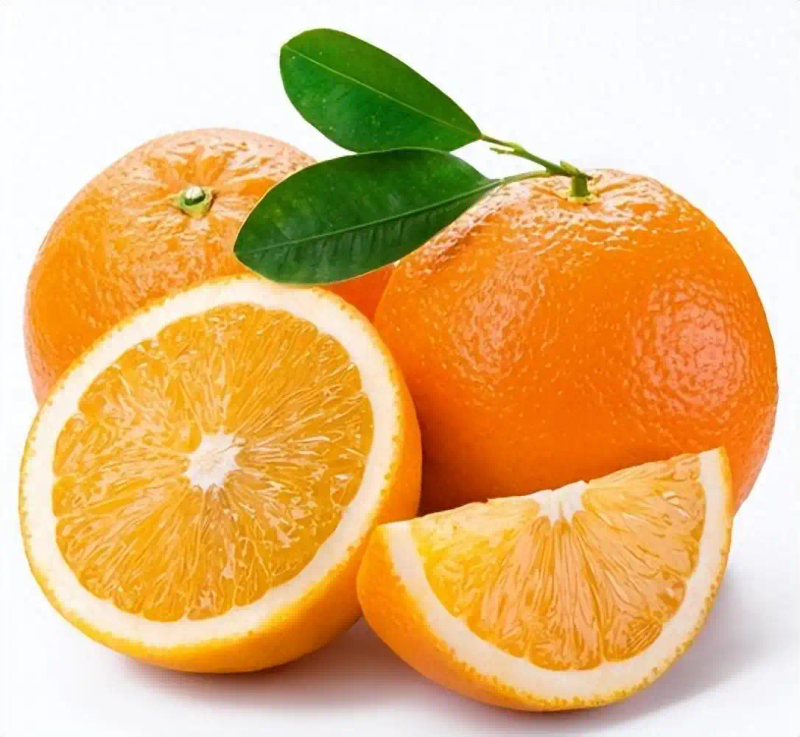
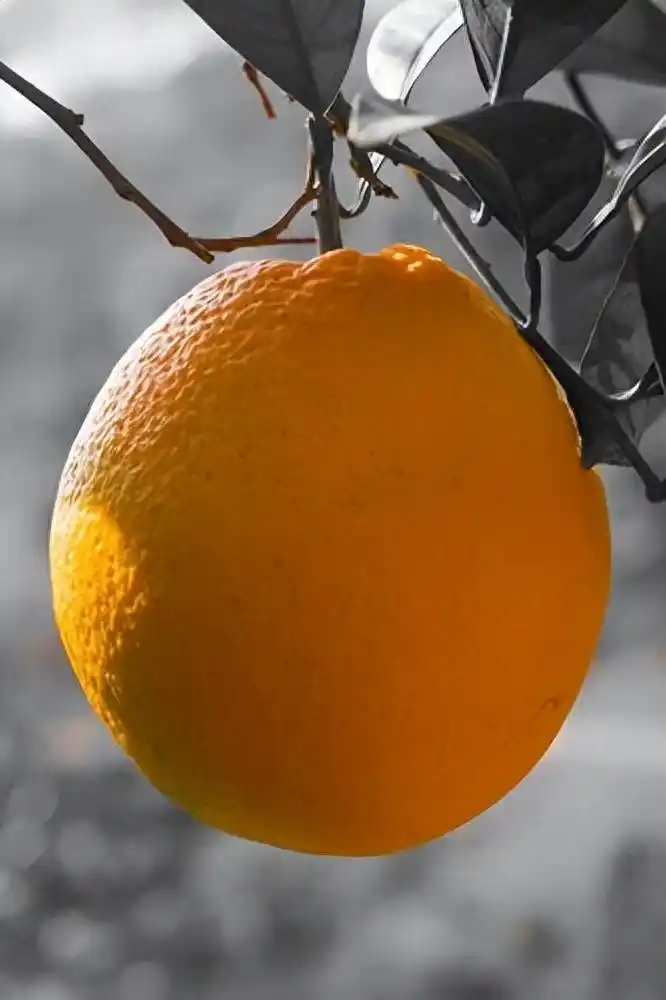
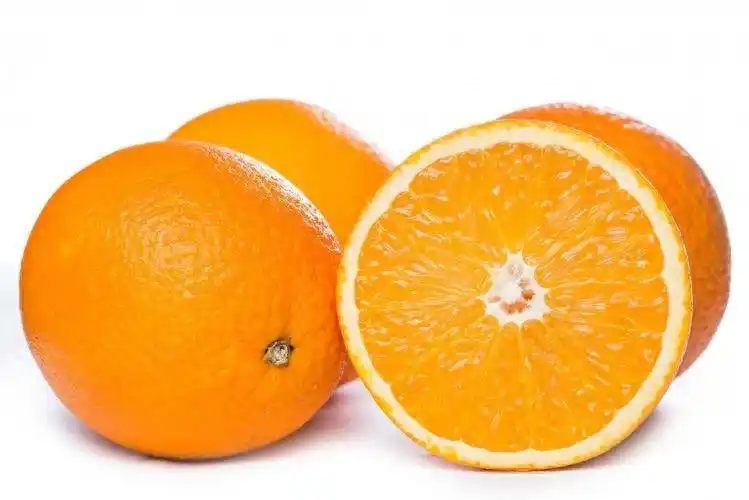
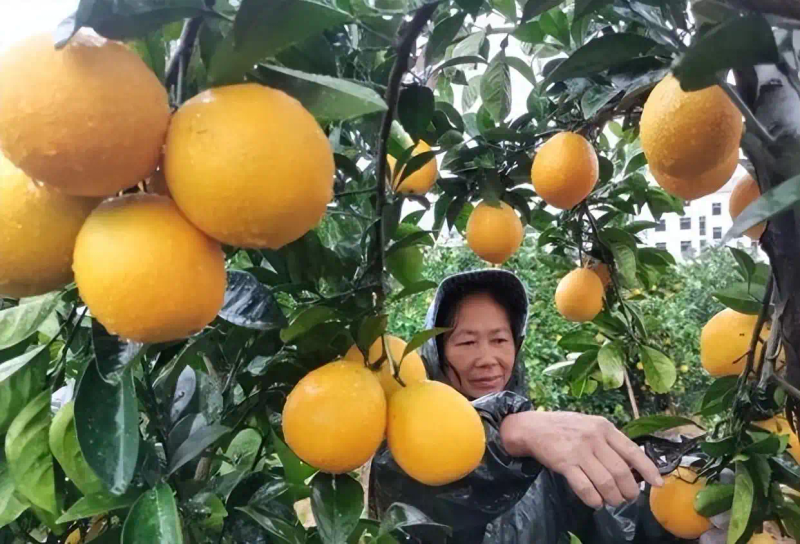
Omnicorn is an important citrus fruit with strong scent and sweet acid. It's a hybrid of grapefruit and oranges, named after their special umbilical cord. Omnicorns usually have orange skin and juicy fruit, which can be fed or squeezed, rich in vitamin c and other nutrients。
The main objective of the citrus cultivation is to achieve sustainable agricultural production and meet market demand. Omnicorn has a wide consumer market and is widely used for food processing and export. The cultivation of umbilical oranges not only provides income from agriculture, but also contributes to increased employment opportunities and the development of the rural economy. The purpose of the stock of umbilical oranges is to extend their shelf life and maintain their quality. Proper storage methods can reduce the loss and waste of umbilical oranges and slow the aging and decay of fruit, thereby keeping them fresh and edible during transport and marketing. Storage also helps to balance market supply and demand and to keep the availability of citrus during the non-rich season. Taken together, the cultivation of umbilical oranges and effective storage methods are important for both the agricultural economy and the market。
I. Omnicorn cultivation
(i) soil selection and preparation
(1) appropriate soil ph and drainage
Oxygen is suitable for growth in soils with phs of 5. 5-7. 5. Soil ph values can be determined by soil tests before planting. If soil ph is less acidic or alkaline, appropriate regulatory measures can be taken to reach the appropriate range. For acid soils, lime or other alkaline substances can be applied to moderate soils and for alkaline soils, acid fertilizers such as ammonium sulfate can be treated。

In addition to ph, the drainage requirements for the soil are high for umbilical oranges. Overstretched soils lead to water accumulation and are prone to root disease, and thus require improved drainage. Improved soil drainage through improved soil quality, increased organic content and construction of drainage facilities to ensure adequate oxygen supply for the umbilical root system。
(2) soil regulation and improvement methods
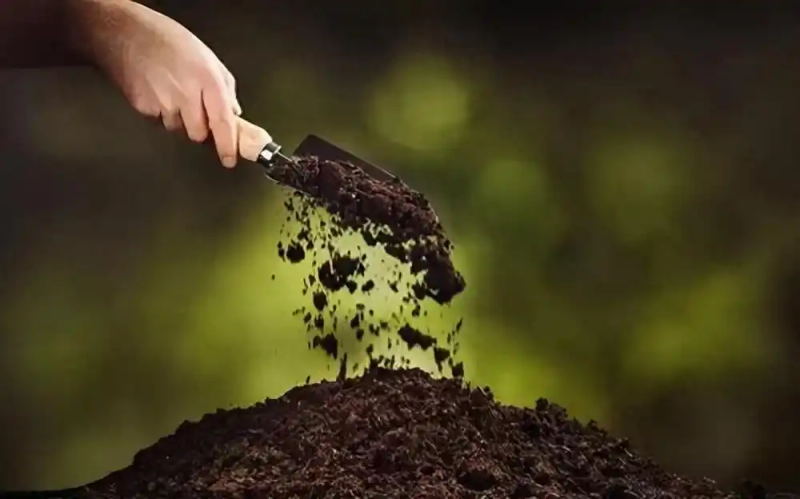
In order to provide a good growth environment, soil quality and nutrition can be improved through soil adjustment and improvement. The following are common methods of soil regulation and improvement: increase organic matter: application of organic fertilizers or cover of organic matter, such as compost, grass-wood ash, can improve soil structure and water conservation, provide nutrients and increase soil microbiological activity。

Fertilizers: in the case of nutrient deficiencies in the soil, fertilizers, such as nitrogen, phosphorus, potassium, etc., can be reasonably applied to meet the nutritional needs of umbilical oranges. The types and quantities of fertilizers need to be determined on the basis of the results of soil tests and the needs of the citrus growth phase. Soil tillage: regular soil tillage can improve soil structure, increase aerobicity and promote root growth and drainage。
Hydrological management: sound irrigation methods and hydrologic management help to maintain a suitable range of soil moisture and water content. Avoid over- or under-irrigation and maintain appropriate soil moisture。
These soil adjustment and improvement methods can improve soil fertility and suitability and provide a good soil environment for the healthy growth of umbilical oranges。
(ii) varieties selection and reproduction
(1) suitable selection of an orange species:
The following factors need to be taken into account when selecting the appropriate species of citrus:
Growing environment: different varieties have different requirements for growing environment, including soil type, climatic conditions, etc. Thus, the selection of varieties adapted to local growing environments enhances the chances of successful cultivation。
Market demand: understanding the demand and quality requirements of the local market for umbilical oranges, the choice of varieties adapted to market demand increases marketing and profitability。
Pest resistance: different varieties have different levels of resistance, and the selection of more resistant varieties can reduce the impact of pests on yields and quality。
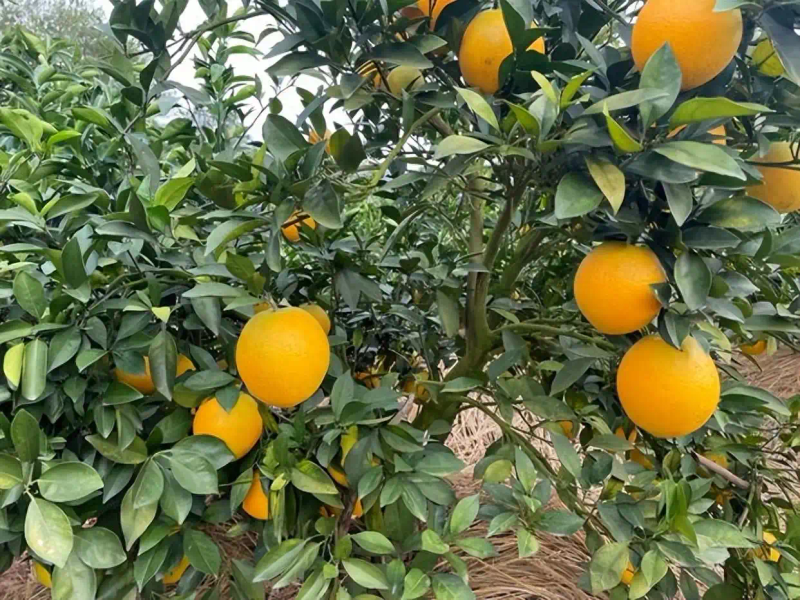
Some of the most common and appropriate types of umbilical oranges are: navel orange: large fruit, juicy juice, sweet taste, skin-defeating, a very popular citrus species. Grapefruit orange: fruits taste a little sour, juicy, uniquely fragrance, suitable for fresh food and juice. Fertilizing orange: large fruit, fresh meat, juicy juice, unique wind, a high-yielding and high-quality orange species. Emerald oranges (huangbaoshi navel orange): the fruit displays bright yellow, sweet fruit sour and delicate tastes, and is an orange species of good taste and quality。
(2) reproduction methods and techniques
Omnicorn reproduction takes place mainly through two methods: indoctrination and embolism。
Marriage: select a good aluminum (usually orange or euphemism) and a seed seedling of the umbilical as an ear, and tie them together. Choose healthy logs and ears, and beware of their diameters, so that they may better fit. Marriage requires appropriate wetting and protective measures to facilitate healing and healing。
After a period of time, the new seedlings begin to grow and gradually grow into the citrus tree. Plug-in: in the appropriate long-term, select the side branch or sprout of the umbilical orange as a plug-in. Insert a piping tube or a seedbed containing a suitable growth medium to maintain moderate humidity. After a certain period of growth, the piping will take root and grow into new seedlings。
The seedlings are then transplanted to suitable soils for further cultivation. Whether weeding or interpolating, care is needed to select healthy logs or ears, maintain proper humidity and temperature, and appropriate conservation and management to increase the success of reproduction and the survival of new seedlings。
(iii) cultivation management
(1) appropriate temperature and humidity conditions:
The temperature range of the umbilical orange is 20°c to 30°c and the most suitable temperature is around 25°c. It likes warm weather, but at the same time it can withstand a certain cold. During growth, constant temperatures are important for the growth and development of the citrus. In terms of humidity, umbilical oranges prefer environments where relative humidity ranges from 50 to 70 per cent. High humidity reduces the evaporation of the umbilical parts of the umbilical wood and helps maintain the water balance. However, excessive humidity may increase the risk of disease and pest occurrence and requires attention to ventilation and drainage。
(2) water management and irrigation methods:
Omeric oranges are more water-intensive, but overwatering can lead to suffocation and disease. Sound water management is therefore important. During the growing season, the soil should be moderately wet, but not overwet。
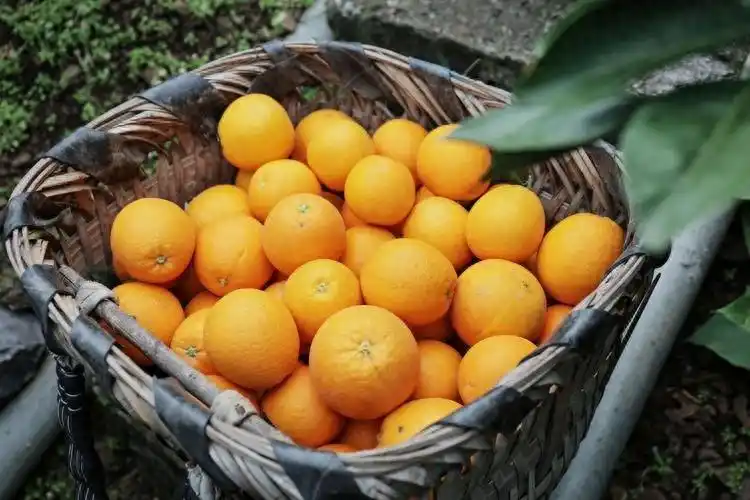
The first is to ensure that the soil is drained well in order to prevent water accumulation. Second, irrigation is judged by measuring soil moisture. In general, the irrigation cycle of the citrus tree is about 7 to 10 days, with specific frequency and volume of water adjusted to the local climate, soil conditions and plant growth。
The usual irrigation methods are drip irrigation, spraying and flood irrigation. Dripping is an effective irrigation method that can accurately deliver water drops to the vicinity of the plant roots and reduce water waste and soil erosion。
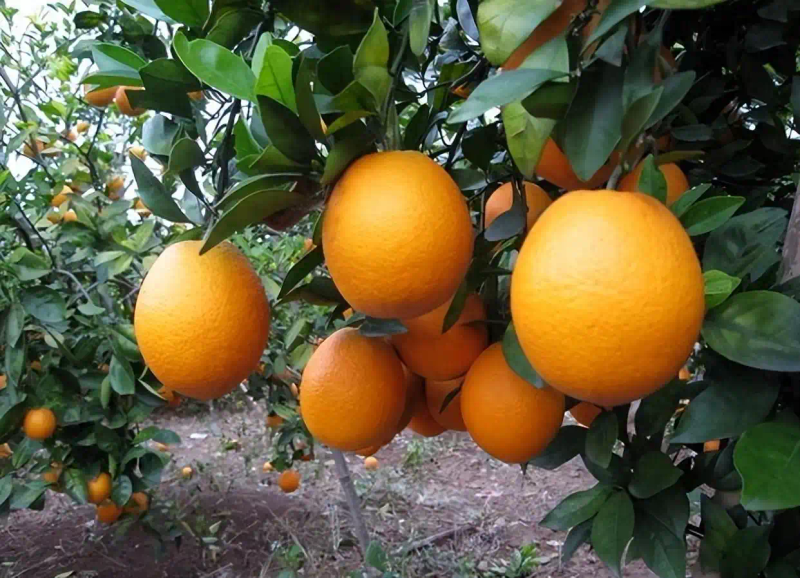
Spraying can cover a large area, but care is taken to control the water pressure and angle of the jet so as not to damage the plant or soil. Flood irrigation is suitable for areas with better soil drainage and can be extensively irrigated to the citrus fields。
(3) fertilisation and plant protection:
In fertilizing, umbilical oranges need to maintain an appropriate nutrient supply for growth and fruit development. Fertilisation is usually carried out in combination with organic and chemical fertilizers. Fertilisation should be based on soil quality and plant demand to avoid over-fertilization resulting in soil pollution and nutritional imbalances。
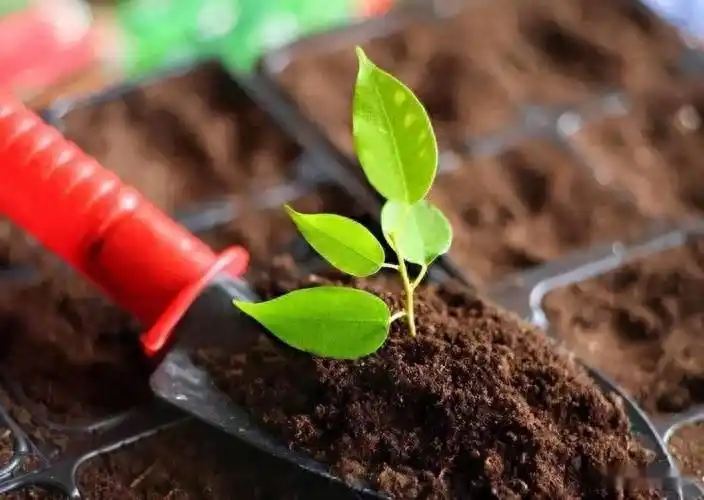
In plant protection, attention to the prevention of common pests and diseases is necessary. Oyster orange trees are regularly visited to observe the pests and diseases of leaves and fruits. A combination of physical and chemical control, such as the removal of branches and fruits from pests and pests and the spraying of suitable pesticides, could be used. In addition, maintaining good ventilation and light conditions in the umbilical orange tree also helps to reduce the incidence of pests and diseases。
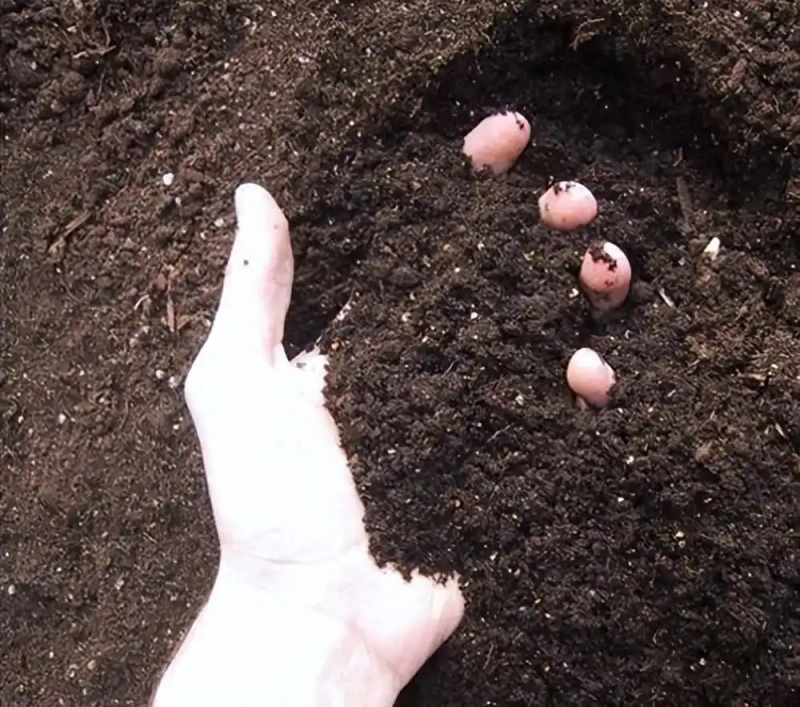
In short, proper temperature and humidity conditions, sound water management, scientific fertilization and the implementation of plant protection measures are important elements in the management of citrus cultivation that can improve the production and quality of citrus and guarantee success。
(iv) pest management
(1) common citrus pests:
The most common diseases and pests of the umbilical orange are:
Huanglongbing: citrus canker: citrus black spot: citrus aphid: citrus leafminer:
(2) preventive and governance measures:
The following measures can be taken to prevent and combat the disease:
Choose healthy seedlings: ensure healthy seedlings are selected to reduce the risk of transmission of pests and diseases. Clean-up and disinfection: regularly clean-up of citrus fields, clean-up of leaves and pests, and timely destruction of fruit from disease and infection. A suitable disinfectant can also be used to disinfect the garden with agricultural equipment, seedbeds and facilities to kill viruses, fungi and bacteria。
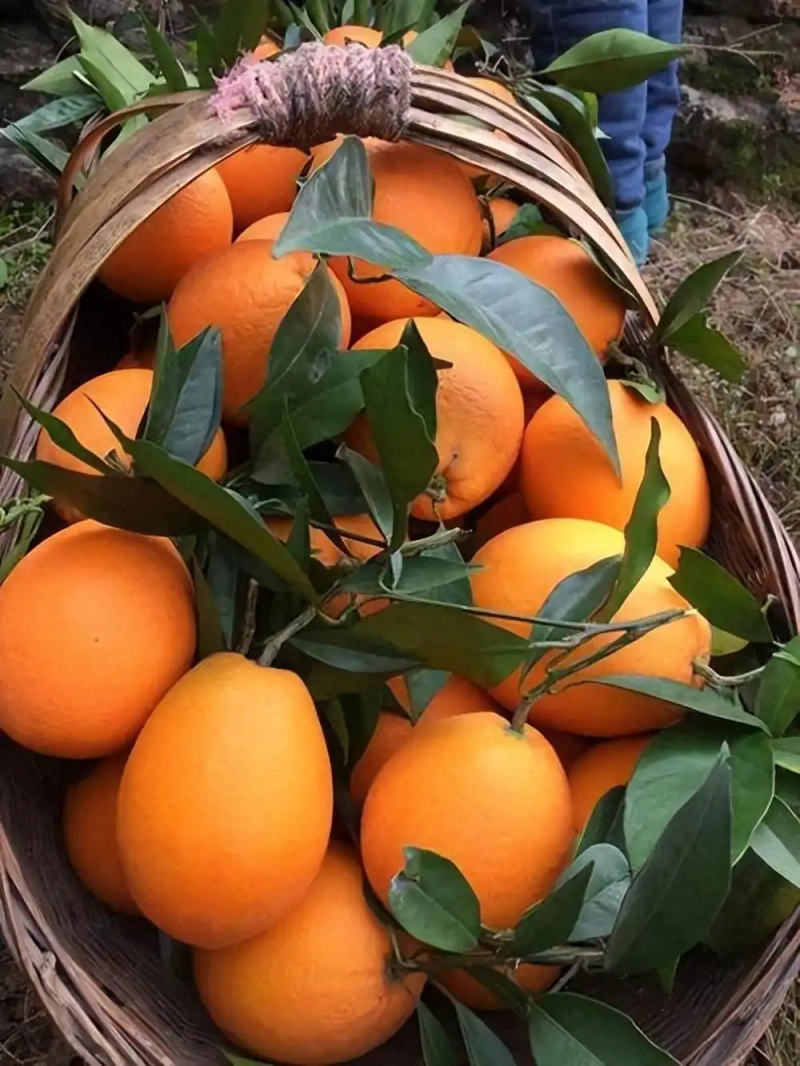
Biological control: control of pests and pests using natural insects and pests, such as natural insects, mites and parasitic nematodes, to reduce pesticide use. (c) cultivation of healthy environments: provision of adequate sunlight and ventilation to avoid overplanting in order to reduce the occurrence of pests and diseases. Maintain appropriate soil moisture to avoid the suffocation of roots due to soil overwetting。
Chemical control: if pests or pests are severe or uncontrolled, appropriate pesticides can be used to combat them. Low toxicity, low residual pesticide is selected and applied strictly in accordance with the instructions of use. Regular monitoring and prevention: periodic visits to the citrus fields to observe the pests and diseases of leaves, fruits and branches. Timely identification of problems and response measures
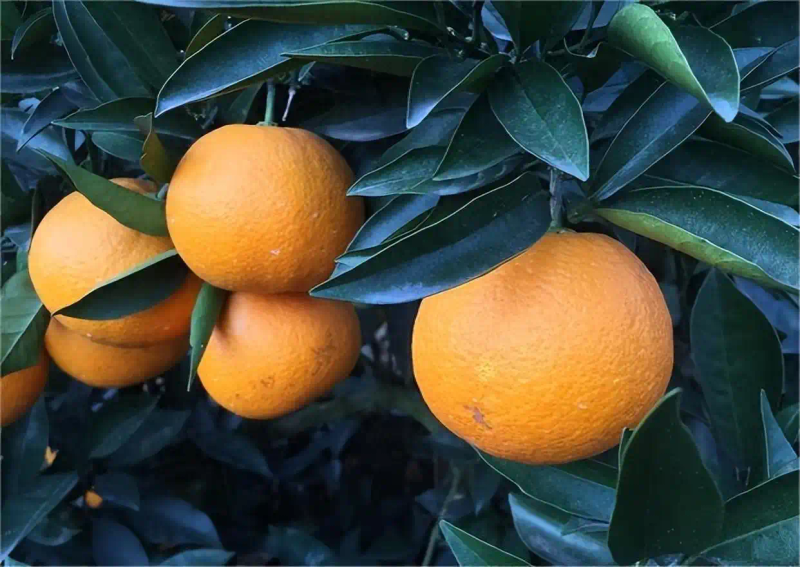
Ii. Storage conditions and equipment
(i) appropriate temperature and humidity requirements:
The storage environment for umbilical oranges requires appropriate temperature and humidity conditions to extend its shelf life and maintain quality. Normally, it is proposed to keep the relative humidity in the range of 85-95 per cent in an environment of 3-7 degrees celsius. Such conditions help to mitigate the aging and decaying process of the fruit and maintain the water and taste of the meat. Temperature control is one of the most important factors in the storage process。
Excessive storage temperatures accelerate the respiratory effects of fruit and water evaporation, leading to softening and dehydration. Conversely, too low storage temperatures can cause cooling and loss of quality。
It is therefore essential to ensure that the temperature in the storage rooms is stable and appropriate. Humidity control is equally important for the storage of umbilical oranges. Excessive humidity increases the risk of fruit decay and fungus, while low humidity can lead to water loss of fruit. Water loss and quality loss of fruit can be reduced through appropriate moisture control。
(ii) selection and maintenance of storage equipment:
The selection of appropriate storage equipment is also essential to ensure the quality of the storage of umbilical oranges. The following are common storage equipment and recommended maintenance measures: refrigerator: the use of cold storage is a common form of storage of umbilical oranges。
Ensure that the temperature control and humidity control equipment in the freezer works properly and that the equipment is regularly inspected and cleaned to ensure its operational effectiveness. Temperature control systems: installation and maintenance of temperature control equipment, such as air conditioning systems, fans, thermometers, etc., in storage rooms to ensure stability and consistency of storage temperature。
Air cycle: ensure the storage of indoor air cycles and ventilation to reduce co2 and ethylene accumulation, promote gas exchange and maintain freshness of fruit. Microbicide treatment: the storage environment is regularly treated to reduce the spread and growth of fungi and fungus。
Periodic inspection: periodic inspection of storage equipment and the environment, including temperature and humidity records, equipment performance, pests, etc., and timely repair and disposal of problems。
Summary
The cultivation and storage of umbilical oranges are key steps in ensuring their quality and sustainable supply. Oxygmy and citrus storage are aimed at achieving sustainable agricultural production and meeting market demand. Through proper planting methods and effective storage measures, the quality and food value of umbilical oranges can be ensured and contribute to the development of the agricultural economy and markets。
Success in planting and storing umbilical oranges not only provides agricultural income and employment but also contributes to the development of the rural economy and the satisfaction of a healthy diet. The importance of the cultivation and storage of umbilical oranges cannot therefore be overlooked。