Ice oranges, also known as glitter, are a fruit that many people like to eat, and whose fruit is sweet as honey, and which is fertilized with crumbs, which are popular with consumers and are grown in many areas as demand increases. Here's to learning about ice-cream techniques and management。
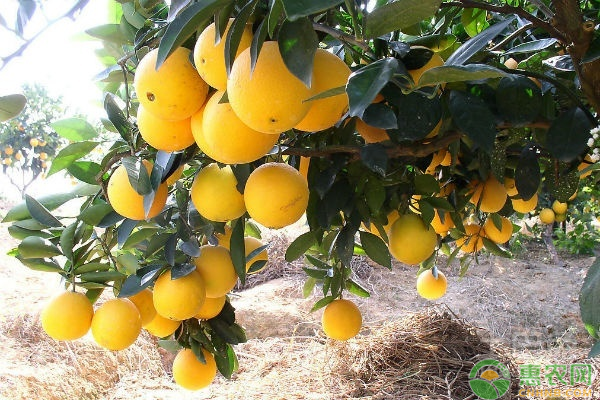
1. Land selection
In order to increase soil laxity and permeability, improve soil nutrient absorption and water fertility by applying more than 3 t of organic fertilizer to the ground, it is possible to plant plots with sufficient light, no contamination, small slopes, low altitude and normal discharge, and deep and soft soil, and to dig the ground at depths of not less than 30 cm. The spacing of the den is then controlled according to the area under cultivation, as the tree size of the glucose orange tree is larger, and the depth of the den is controlled by about 1 metre, ensuring sufficient space for the glucose orange to grow。
2. Choice of varieties
It is recommended that growers choose the same type of fruit, which is a round ball, with the right and clean end, smooth and bright face, the quality of the fruit and the quality of the product, as well as the productivity, stability and economic value。
3. Tree planting
A strong glazed orange tree is chosen to plant it in a defined ditch and then water it. Fast-growing virus-free trees with high post-partum productivity can also be effective in mitigating virus-induced diseases such as fracturing and degenerative diseases。
4. Young tree management
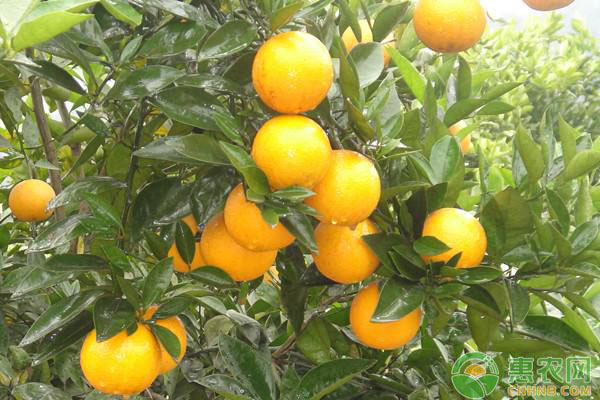
After a month of larvae cultivation, fat can begin to be hunted. Each spot can be used for specialized fertilizer for new hair and strong branches, as well as organic fertilizer in winter. It is also necessary to trim the larvae with a natural circular tree shape of 3 to 4 branches, to plant the larvae with care for the management of the skeletal skeletons, and to select 3 to 4 branches for short cut-off at the onset and to promote the emergence of new sprouts。
5. Fertilizer water management
Sugar orange cultivation, which generally does not need to be followed up when the bottom is full, can start in the second year and then be followed up three times a year by three seasons of spring and summer and autumn, with special attention paid to the supply of fertilizers during the growth of ice oranges, such as flowering, results, fruit expansion, etc., so as not to cause problems such as poor flowering, falling fruit, etc. The soil is then kept in a moist state and water is timely when the soil is dry, which, if it is scarce, can cause phenomena such as fissure fruit。
Pyramid tree management
The tree tends to be fertilized before the spring rises, which can stimulate buds and improve flowers; and the flowering of leaf paste, which can supplement nutrients and increase sit-ins. In july-august, fertilizers were administered, mainly organic and potassium phosphorus, to promote the expansion and autumn growth of fruit. In the spring, the branches are cut off and the thorns on the branches are treated; at the end of the second physiological fallout, the flowers are cut short, the disease branches, the ageing branches, the excessively weak branches are trimmed. In the summer autumn season, the strong-wants were pulled。
7 - disease control
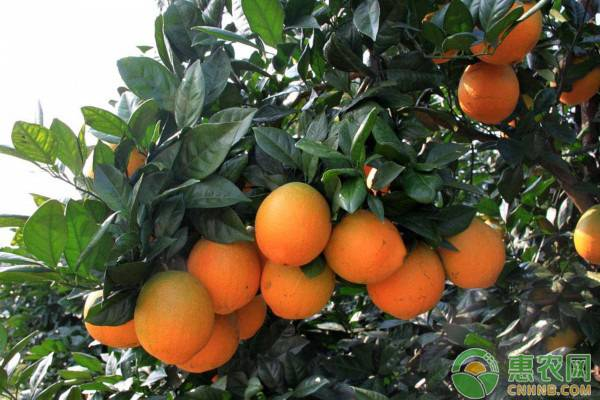
The main diseases of ice cream orange are ulcer disease, sand-skin disease, scabies, anthrax, etc.; the main pests are red spiders, maggots, midshells, rusty wall lice, pink lice, euphoria, leaf moths, etc. In addition to strengthening the management of cultivation, there is a need to avoid the application of nitrous fertilizers, as well as the use of dyson manganese zinc, bacillus purification, etc., for the application of canopy until spring, summer guerilla gestation periods and glazed oranges mature. For pests, the eggs of the winter worm can be cut off and the problem of pests can be avoided. In addition, the moths can be protected during the screeching period in the summer autumn and sprayed at intervals ranging from 7 to 10 d and 2 to 3 consecutive times when the new moth reaches 1-2 cm. The most common medicines are avilin, podda, etc。
The above is a description of the techniques used for the cultivation and management of glucose oranges, which are known to be found in the country's production areas, such as lumber-free oranges, where you can study techniques for the management of glucose oranges, and which should be of great assistance to the high quality of fruit trees in the later stages。
You may be interested in the content of the following recommendations on ice cream oranges。
Agricultural products that you might be interested in: orange seedling supply national supply of glucose orange seedlings