As one of the main plant varieties of the facility's vegetables, with long growth cycles, high yields and significant economic benefits, the high incidence of physiological yellow leaf problems during intensive cultivation has seriously affected the efficiency of plant cooperation, leading to a weakening of long standing, a sharp decline in production and a decline in quality, and has become a key bottleneck in the high quality of eggplant production in the shed. Physiological yellow leaves differ from sane yellow leaves (e. G., pyropathosis, yellow atrophy, etc.) and are characterized by non-biotic factors, such as inappropriate environmental conditions, poor management of cultivation and nutritional imbalances, which have universal, sudden and reversible characteristics. Based on years of field practice and scientific data, this paper systematically analyses the types and causes of the physico-yellows in the large garbs and proposes targeted integrated treatment measures to provide technical support for the scientific control of vegetable farming。
I. Type and causality of the physiological yellow leaf of the great eggplant
(i) categorization and characteristics of the cedars
1. Top new yellow leaf type
This type of yellow leaf occurs mainly in new leaf blades at the top of the plant, in the form of thin, thin, green leaves, which are accompanied by decompressions of the top, the length of the section, the flowering of short columns and a significant decrease in the seating rate. Core factors include:
- uneven nutritional competition: too many pre-elementes and high levels of nutrients for reproductive growth, resulting in inadequate nutrition for the new leaf
- environmental coercion: low-light environments, such as cloudy and snowy weather, inhibit light cooperation and reduce the accumulation of photocolumn
- root functional impairments: overwatering, soil sheeting resulting in a decrease in the activity of the root system at temperatures below 10°c and insufficient nutritional absorption
- unregulated temperature: the persistence of high night temperatures (above 18°c) triggers a top-dweller and an imbalance in nutrient distribution。
2. Yellow leaf type, medium and lower
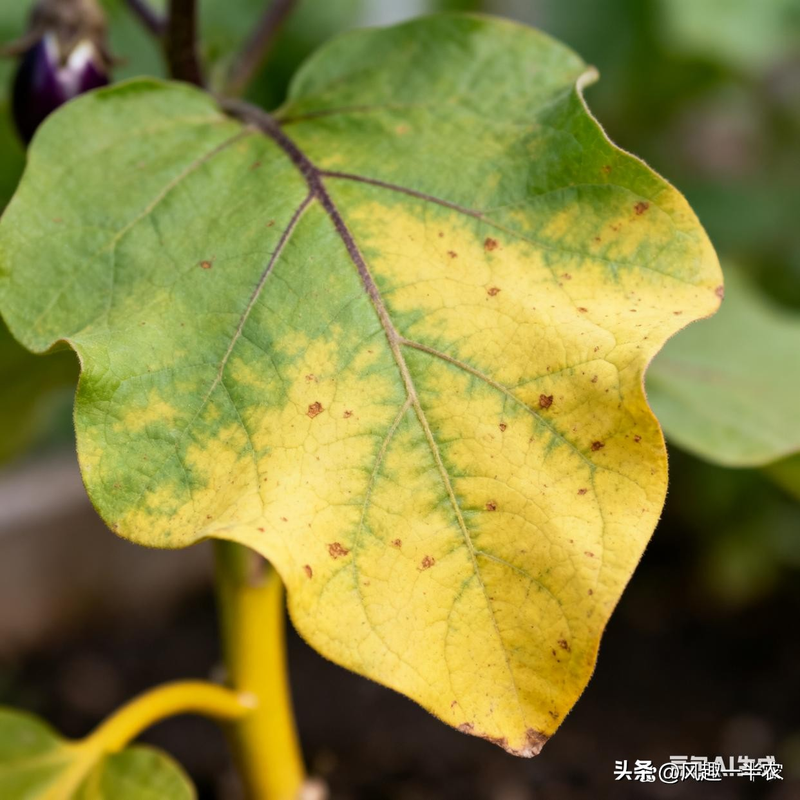
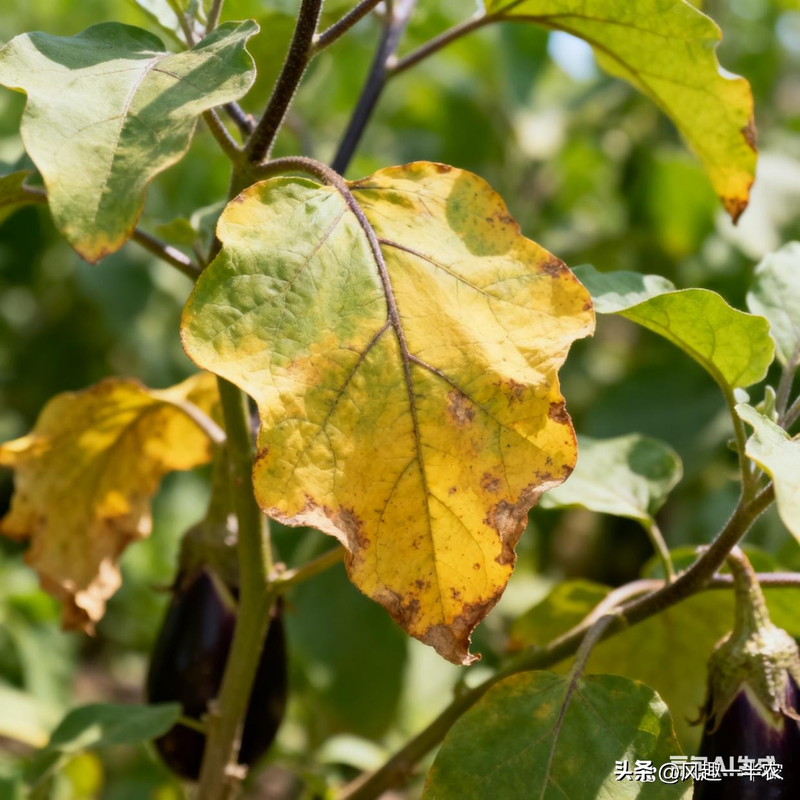
The middle and lower leaves are yellow first, as shown by the greening of the veins of the leaves, the larger disease, the rise of the blades during severe periods, the browning of some of the leaves on their backs, and their confusion with folic disease (the core difference is that there is no grey, black cortex). The main causes include:
- aging and early decay of plants: nutrition gives priority to the production of fruit after the festivities have reached the festivities of the lower and middle leaves
- environmental degradation of the soil: long years of operation of the sheds, salinization of the soil, severe slabs and obstruction of growth of the roots
- deficiencies: magnesium deficiency in the soil and other elements, such as potassium, in which magnesium deficiency is manifested in the eutrophication of the old leaf's veins and potassium deficiency in which the lobe is precipitated and dry
- environmental depression: high wetness (relative humidity above 85 per cent), poor ventilation, or overplanting, with insufficient light
- drugs and gases: very high spray concentrations, high-temperature periods, or accumulation of harmful gases (amino, nitrite) in the shed, resulting in damage to leaf cells。
3. Full yellow leaf flat
The entire leaf is generally green to yellow, slow-growing, thinly distilled, with small roots and light colours. The main causes include:
- nitrogen deficiency: inadequate supply of nitrogen in soil, or the use of phosphorus potassium fertilizer, which hinders nitrogen absorption
- imbalances in water management: prolonged drought, which results in water scarcity or overwatering, causes root causes, affects nutrient transport
- soil salinization: excessive application of chemical fertilizers leads to excess soil ec values, imbalanced root osmosis pressure and reduced capacity to absorb water
- herbicide residues: herbicide residues from the front crop, or herbicides from the surrounding fields are contaminated by drift, causing chronic medical effects。
(ii) classification by causal factors
1. Nutritional imbalanced yellow leaves
- lack of large quantities of elements: lack of nitrogen leads to total eutrophication, lack of potassium leads to eutrophication of leaves, and lack of phosphorus leads to yellowing of the leaves
- the scarcity of small and medium-sized elements: iron deficiency is manifested in the eutrophication of the new leaf's veins (greening of the leaf's veins), magnesium deficiency is manifested in the eutrophication of the old leaf's veins, and zinc deficiency leads to smaller leaves and shorter yellows
- nutrient stress: the dichotomy of potassium fattening of nitrogen phosphorus has led to the stationing of calcium, iron, zinc, etc. In the soil and the ingestion of plants。
Land degradation yellow leaves
- soil sheeting and salinization: long-term reconnection, excessive application of fertilizers, resulting in the destruction of the particle structure of the soil, poor ventilation and difficulties in rooting
- soil acid alkalinity imbalance: soil ph below 5. 5 or above 7. 5 affects trace element effectiveness
- unbalanced micro-organisms: decreasing number of soil-friendly bacteria, accumulation of pathogens, increasing incidence of root diseases, indirectly causing yellow leaves。
3. Irregularly regulated yellow leaves
- unsatisfactory temperature: the temperature below 12°c or more than 30°c inhibits growth of the root system; the temperature is above 35°c or less than 10°c, affecting the balance between photocooperative and respiratory effects
- unbalanced management of humidity: high soil wetness leads to root roots and low wetness leads to water shortages of plants, all of which trigger yellow leaves
- insufficiency of light: a decrease in the rate of permafrost permeation (less than 60 per cent) during the winter season, or the improper use of sunnets, resulting in insufficient synthesis of photocolumn products。
4. Cultivation error yellow leaf
- inappropriate watering: heavy water flooding, the wrong timing of watering (watering during high-temperature periods at noon) resulting in damage to the root system
- unjustified: blind pursuit of high yields, excessive single yield (over six) and exceeding the capacity to supply nutrients
- inappropriate application of fertilizers: the application of unperformed organic fertilizers (e. G., fresh chicken dung) or the pursuit of excessive and concentrated weights, which trigger the burning of roots
- improper use of pesticides: increased levels of use at random, multiple combinations of pesticides, or application in high-temperature, high-moisture conditions, causing harm。
Ii. Integrated prevention and treatment of the physico-yellows of the great eggplant
(i) optimizing the soil environment and nurturing strong roots
1. Technologies for soil improvement
- increased application of organic fertilizers and biobacterizers: 5,000 - 8,000 kg of manure (e. G., goat dung, cow dung) per acre, or 300 - 500 kg of commercial organic fertilization, 20 - 30 kg of microbiological microbacterizers, improvement of soil pellets structure, increase of organic content and activation of soil microbial communities
- stifling back to the field: after crushing maize cores and wheat straws, 300-500 kg per acre, combined with deep tillage pressure, improved soil permeability and reduced salinity
- soil regulation: 50-100 kg of soil regulation per acre (e. G., decaying acid, algae acid) for saline soils and from ph to 6. 0-7. 0
- rotation: a shed lasting more than three years can rotate with pulses and grasshopper crops for 1-2 years to reduce the accumulation of soil pathogens and toxins。
2. Scientific water-water management
- watering methods: application of drip irrigation and micro-irrigation techniques to avoid flooding and maintain soil moisture (relative humidity 60-70 per cent)
- timing of water: choosing to water in the morning of the sun and pre-heating water to 15-20°c in advance of winter, avoiding cold and cold water to stimulate root systems
- control of water protection root: water drainage after rain, drainage ditches within sheds to lower groundwater levels, pine soil to increase soil permeability when root is present。
(ii) precision nutrition management to prevent deficiency
1. Balancing fertilization techniques
- bottom fertilizer application: following the principle of “organ fertilizer, supported by fertilizer”, the ratio of potassium nitrogen phosphorus in bottom fertilizer is 1:0. 8:1. 2, with 20 kg magnesium sulphate, 2-3 kg zinc sulphate and 1-2 kg borosa applied per acre, supplementing the micronutrients
- fertilizer management: 10-15 kg per acre of high nitrogen-heated potassium water solution (1:1. 5 kg of potassium nitrogen compared to 1:15 kg) with an interval of 15 days; 15-20 kg per acre of balanced water solution (15:10:15) during the spleen period, in conjunction with the flushing of acid-polytic organic water solution and conservation of root systems
- leaf supplementation: in case of deficiency symptoms, timely application of the corresponding fertilizer: iron sprayed 0. 2-0. 3 per cent of iron sequestered solution, magnesium sprayed 0. 5 per cent of magnesium sulphate solution, potassium sprayed 0. 2 per cent-0. 3 per cent of potassium phosphate solution, nitrogen sprayed 0. 3 per cent of urea solution every 7-10 days and 2-3 series of spraying。
2. Scientific selection of leaf fertilizers
The choice of leaf fertilizers (e. G. Green leaf pioneers, yellow leaf dry tip, etc.) containing a variety of elements such as boron, zinc, copper, manganese, and biostimulants, which contain amino acids, polysugar sequestered trace elements, can promote nutrient absorption and increase plant resistance. Use should be made of:
- secondary dilution: dilution in proportion to the instructions to avoid the risk of drugs due to excessive concentrations
- time of application: choice of dark or sunny evening spray to avoid high temperature periods (10 - 16:00)
- confusion taboos: can be mixed with most pesticides, fertilizers, and is prohibited with herbicides, strong alkalin pesticides。
(iii) optimizing shed environment regulation
1. Temperature control
- live long-term temperature: 24°c-28°c during the day, up to 30°c; night control at 14°c-18°c, and early morning pulling at around 14°c
- low-temperature response: introduction of double-layered cover (shelter + temperature-preservation) during the winter, straw biological reactor technology to increase temperature below 10°c
- high-temperature response: the temperature in the shed is kept below 35°c in the summer by means of sunnets, ventilation and spray cooling。
2. Humidity and ventilation management
- humidity control: the relative humidity in the outcome shed is maintained at 60-75 per cent and evaporation is reduced by ventilation and dripping
- ventilation strategy: a clear day begins at 9 a. M. To 10 a. M. And starts with a small vent of 10 to 15 minutes (wetting) before increasing the amount of ventilation; even in the middle of the day, there is an appropriate short period of ventilation (from 12 noon to 13:00 hours) to avoid accumulation of harmful gases
- plantation adjustments: timely removal of leaves from the lower leaf, rational planting (2,200-2500 units per acre) and improvement of ventilation in the field。
3. Optimization of light
- sanctuary membrane maintenance: regular cleaning of the shantymen, removal of dust, miscellaneous items and improvement of the perusal rate; selection of high-photernity, non-dimensional membranes for winter, and displaying of mirrors in the shanty towns, if necessary
- photo-remediation measures: in the middle of the day, plant-based photo-lights are used to fill the light for 4-6 hours per day, and the light strength is maintained above 30,000 lux。
(iv) fine management of cultivation
Reasonable fruit retention and plant adjustment
Based on the strength of the plant, it is generally appropriate to leave 4-5 fruits in one plant at the same time, so as to eliminate abnormal and diseased fruit in a timely manner so as to avoid nutritional waste; and to use a two-dry whole branch method, in a timely manner, so as to control side branch growth and balance nutritional and reproductive growth。
2. Roots conservation techniques
- root protection: post-plantation slow-stamping of crustacin, algae acid rooting products to promote hairy root growth; long-term application of microbacterial agents every 20-30 days to improve the micro-environment surrounding the root system
- cultivation of pine soil: timely planting of water at depths of 5 to 8 cm, decomposition of soil sheeting and improved ventilation
- avoiding injury to the roots: avoiding direct exposure to the root system of the fertilizer during fertilization, and applying the fat to the den or to the flush, evenly distributed。
3. Drug and air hazard prevention
- scientific application: control concentration strictly in accordance with the pesticide instructions to avoid application at high temperature hours (10 a. M. To 4 p. M.); multi-pesticide combinations are based on the principle of “dilution before mixing” and concentrations are avoided
- air pollution control: prohibition of the application of uncorrupted organic fertilizers and timely watering after fatting; timely ventilation after one to two hours after the closure of the shed following the application of ammonia nitrogen fertilizer
- detrimental: in the event of a medical hazard, the tablets are immediately sprayed with water, followed by an injection of 0. 01 per cent with 1,500 times more ethylene ester or 6,000 times more in love to mitigate the symptoms of victimization。
(v) emergency controls
The principle of “treatment of symptoms, quick fixes” has been adopted with respect to the cultivation of physiological yellow leaves:
- new yellow leaves: immediate sterilisation of part of the juvenile fruit and reduction of nutritional consumption; application of full-nutrient + 0. 01 per cent of thaline esters every seven days, twice in a row; regulation of night temperature to 14°c-16°c to promote nutrient accumulation。
- middle and lower yellow leaves: flush balanced water soluble + corrosive acid organic water solubility, foliage of 0. 5% magnesium sulfate + 0. 2% potassium phosphate mixture; enhanced ventilation to reduce humidity in sheds。
- all yellow leaves: timely watering (caused by drought) or drainage of pine soil (caused by root), spraying of urea + 0. 2 per cent of potassium phosphate on the side of the leaves, 10 kg of urea + 15 kg of compound fertilizer per acre, and promotion of plant restoration。