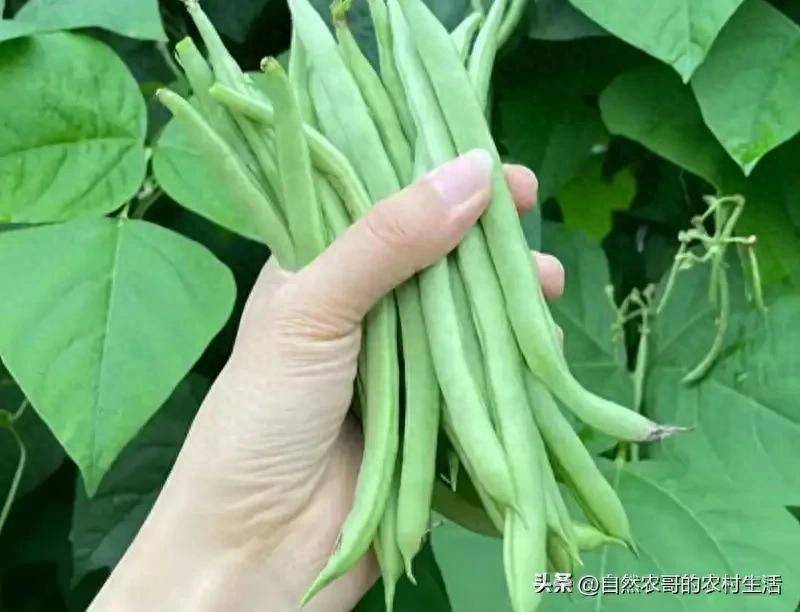
It's the season of growing four seasons of beans, and it's common to hear people complaining: "what's going on with the four seasons of beans that i planted, and the vines that grow, they call it a boom, but they don't see the beans?"
Many of them are believed to have had such troubles and are eager to reap full bean bean bean, but only to see a turded leaf. In fact, much of this is due to fertilization, especially overuse of high nitrogen fertilizer。
Many people grow four season beans with a special preference for high nitrogen fertilizer, such as human urine。
Human urine is rich in nitrogen and has a significant contribution to plant leaf growth. Seeing the four seasons of beans with human urine, the vines dipped up and the leaves were big and green, so don't be so happy。
But the problems followed, and as the leaves grew mad, the bean's bean was lost. This is because, unlike some other vegetables, the four-season beans have special physiological characteristics。
It turns out that the roots of the four-season beans are co-infested with root tumors, which are a remarkable group of “small helpers”. They're like a micro-nitrogen fertilizer plant that fixes the nitrogen in the air and converts it into nitrogen nutrients that can be absorbed by the quartet。
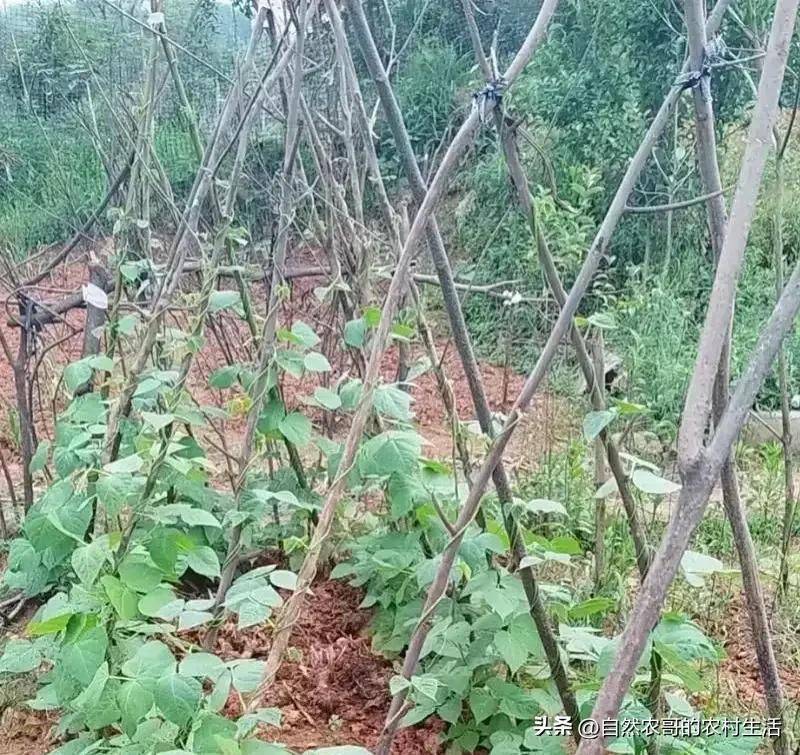
In other words, the four-season beans themselves have some ability to “self-sufficient” to acquire nitrogen. If we apply high nitrogen fertilizers, such as human urine, in large quantities, the nitrogen content in the soil will be significantly exceeded. This is a constant delivery of ready-made food to a person who is already capable of cooking on his own, with the result that the person slowly becomes lazy and loses the incentive to cook. For the quail, excessive external nitrogen inhibits the activity of the root tumor and reduces its own ability to fix nitrogen。
In addition, excessive nitrogen would upset the nutritional balance of the four-season bean plant。
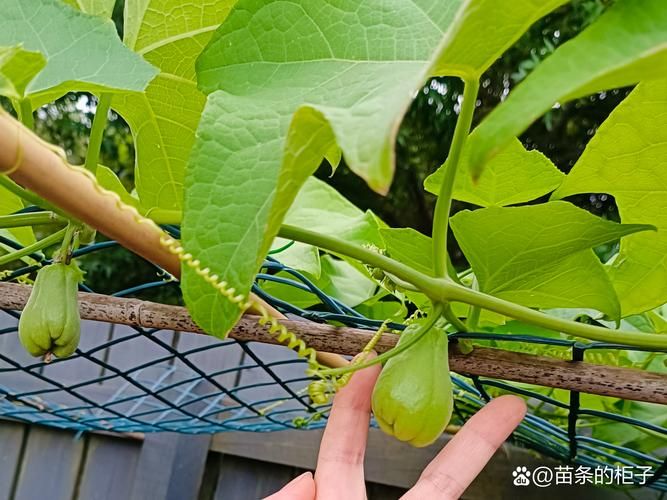
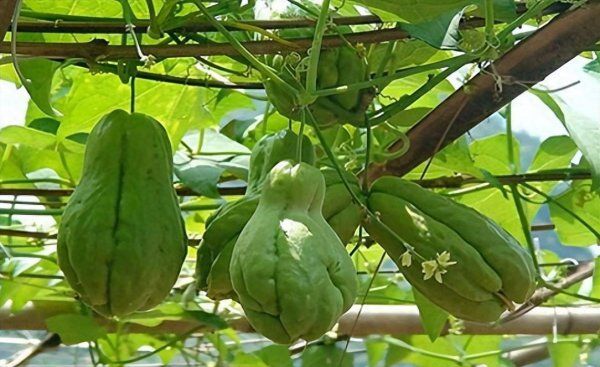
As we all know, nitrogen is primarily a boost to the growth of the leaves. But once the amount is over, the four season beans are going to invest a great deal of nutrients in the growth of the leaves, and there are nutrient booms. And that's when you see the four-season beans grow wildly, the penis becomes thin and long, the rhythm stretches, the leaves are fat and thin. The reproductive processes of flowering and garbling are inhibited by the lack of sufficient nutrients。
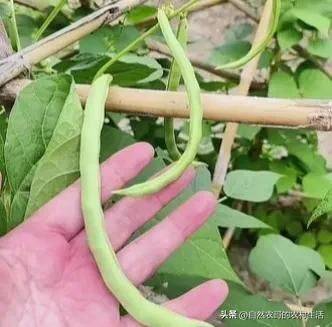
In short, the four season beans are like a child who knows only the long ones and forgets to do the "business" thing, and ivy light doesn't bear beans。
So, how exactly are we supposed to fertilize a small amount of four season beans
First, it is important to apply bottom fertilizer before planting。
We can choose fully decomposed organic fats, like compost, fertilizers, etc. These organic fertilizers are comprehensive and contain not only a large number of elements, including nitrogen, phosphorus and potassium, but also a variety of trace elements that can provide long-lasting nutrient support for the growth of the four-season beans。
Moreover, organic fertilizer improves soil structure, increases soil air permeability and water conservation, and creates a good environment for the growth of the roots of the four-season beans。
The use of organic fertilizer is also simple, and we simply have to plough the soil evenly, and then to fall into the soil, so that it is fully mixed with the soil。
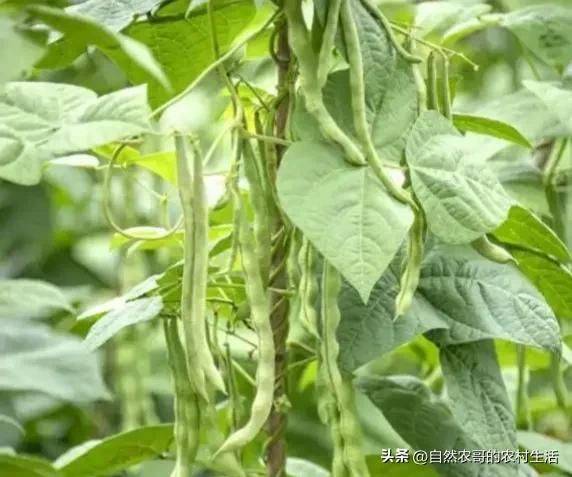
When four seasons of beans grow two or four leafs, they start to fatten up. Fat pursuit is based on the principle of “hard and hard work” and cannot be overweighted at once。
Some thin nitrogen fats can be properly followed during the seeding season to facilitate the growth of the leaf, but the amount must be controlled. For example, urea can be diluted to 0. 5 - 1% solution, or human urine can be diluted with water, but not too often。
The demand for phosphate potassium fertilizer increases significantly with the growth of the four seasons of beans and the onset of flowering seasons. At this point, the use of nitrogen fertilizer is reduced and the proportion of potassium phosphate is increased. Some compound fertilizer can be applied, and the ratio of nitrogen, phosphorus and potassium to compound fertilizer is adjusted to the growth stage of the four-season beans, usually during the flowering season, and can be soluble in water or compound fertilizer by high nitrogen potassium。
Leather spray can also be carried out with potassium phosphate at concentrations of 0. 2 - 0. 3 per cent, once every 7 - 10 days and 2 - 3 consecutive sprayings. This will increase the flowering rate of the four seasoned beans, so that the bean bean is so full and full。
In addition to the three main elements of nitrogen, phosphorus and potassium, trace elements, such as boron, molybdenum, etc., need to be added to the growth of the four-season beans。
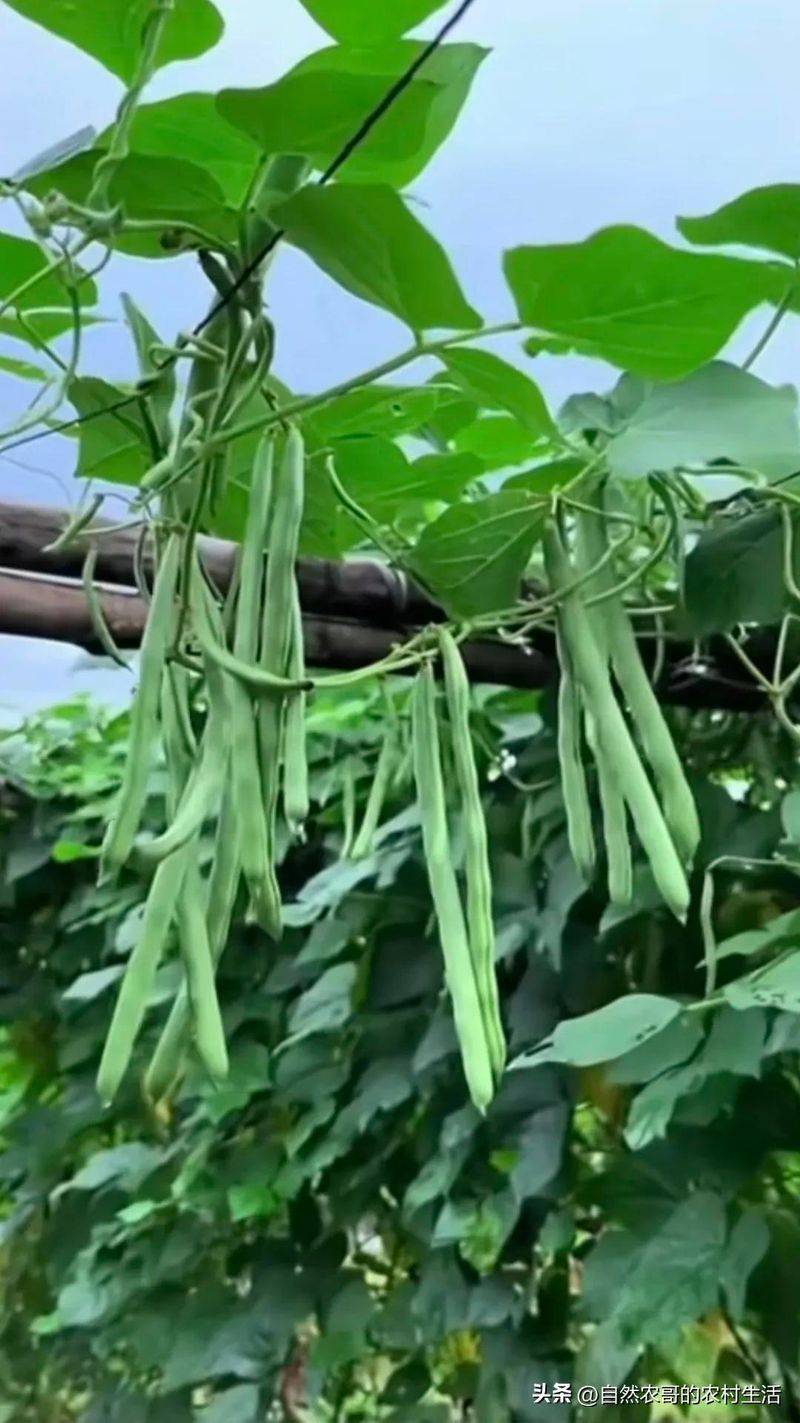
Bronze contributes to the sprouts and pollen growth of the four-season beans and increases the sitting rate; it contributes to the nitrogen-fixing effect of the root tumor. These micronutrient fertilizers can be appropriately supplemented during the critical period of the four seasons of bean growth. For example, before flowering, leaf spray can be carried out with a solution diluted by borosa of 0. 1% - 0. 2%, and by a solution of 0. 05 - 0. 1% of ammonium molybrate can be diluted during seeding and flowering。
Also, watch out for fertilization times。
In general, fertilisation is selected to take place in the morning or evening of the clear day, avoiding fertilisation at high noon temperatures. Because of high noon temperatures, fertilizers are prone to volatilization, and because of high soil solubility, they can easily cause damage to the roots of the four-season beans. After fertilization, if the soil is dry, water should be poured in time to make the fertilizer more dissolved and absorbed by the root system. After application, both organic and compound fertilizers are covered by soil in a timely manner, which avoids waste of fertilizers and promotes plant absorption。
In short, fertilization is a crucial part of our individual vegetable growers who grow four seasons of beans to harvest。
However, as long as we understand the growth properties of the four season beans, we then conduct a targeted and rational fertilization exercise to avoid excessive application of high nitrogen fertilizers, thus ensuring that the four season beans have both strong leaves and a smooth rise in the bouquets。
Finally, i really hope that what i'm saying about fertilization will help you grow four seasons of beans with vines in your garden and enjoy the harvest。