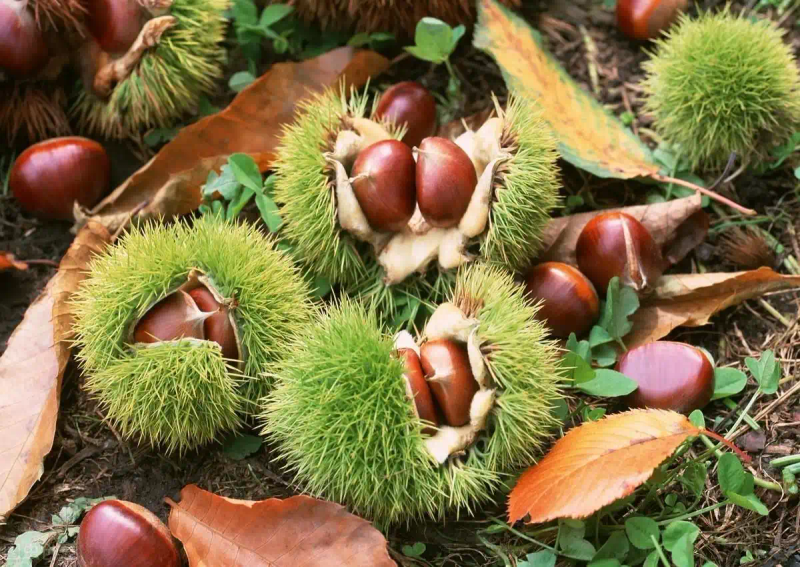
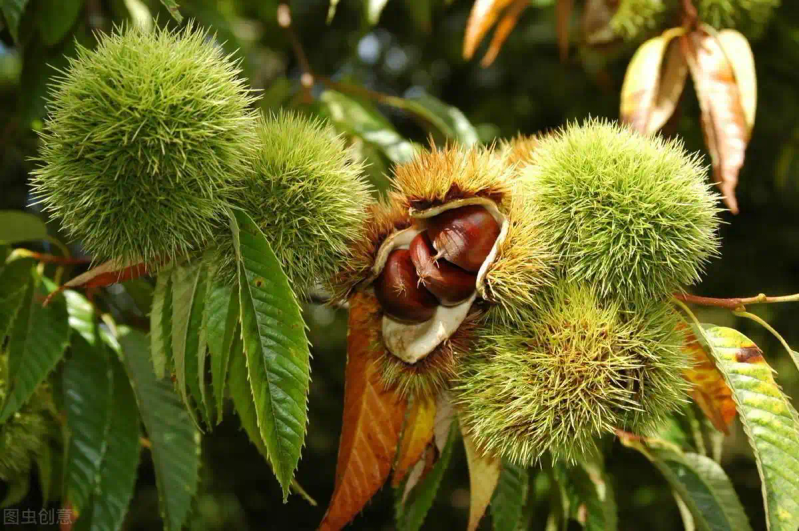
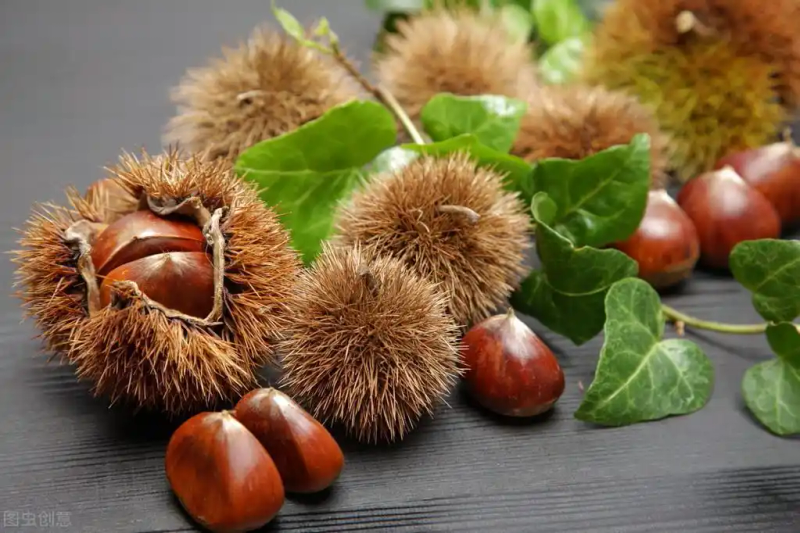
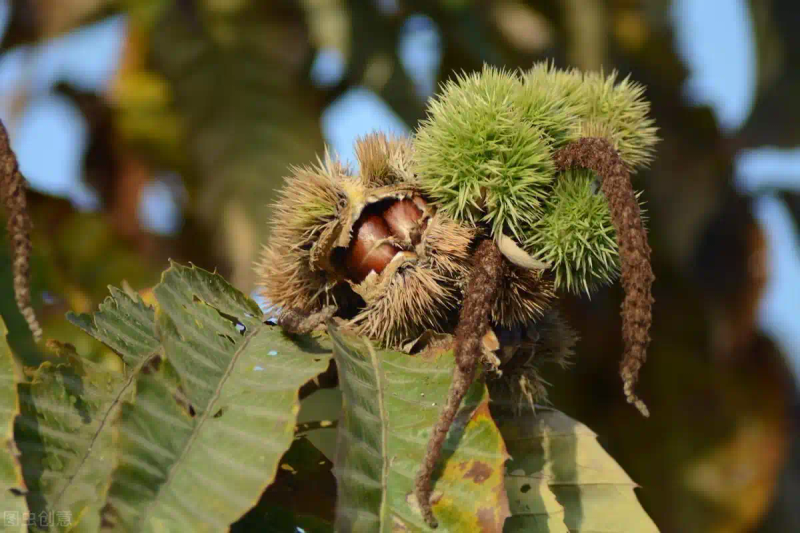
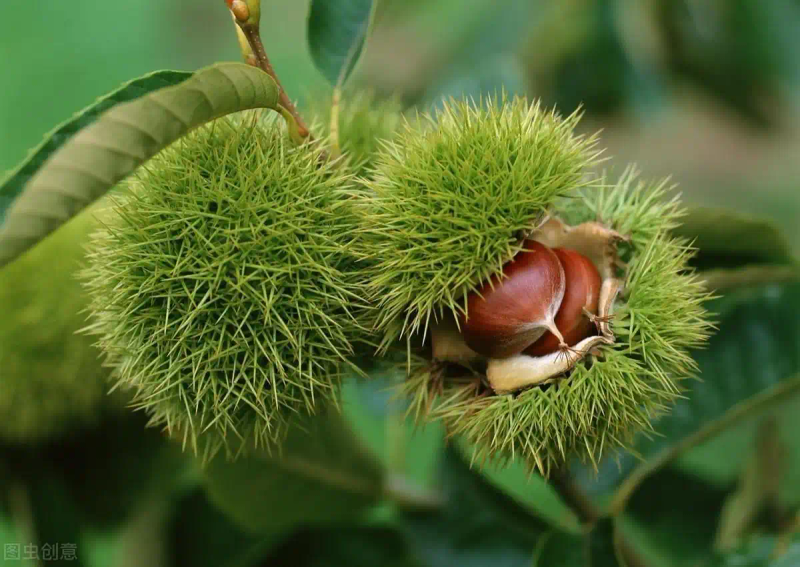
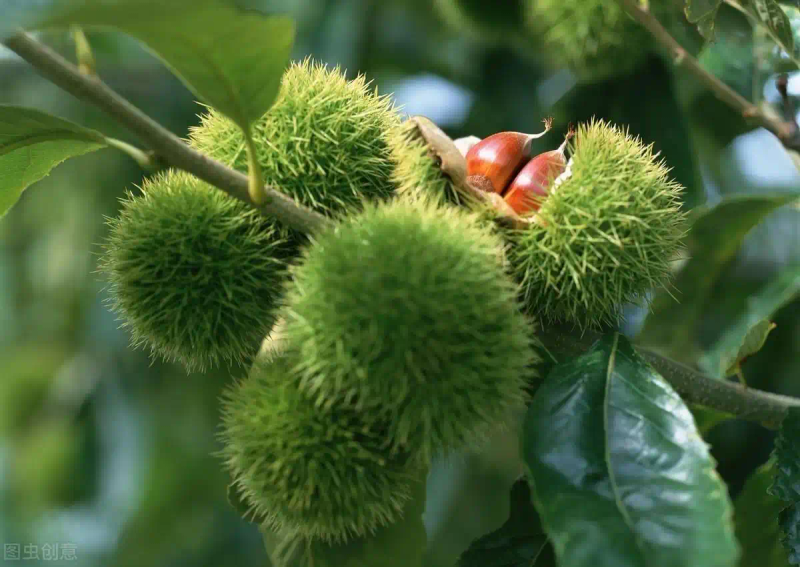
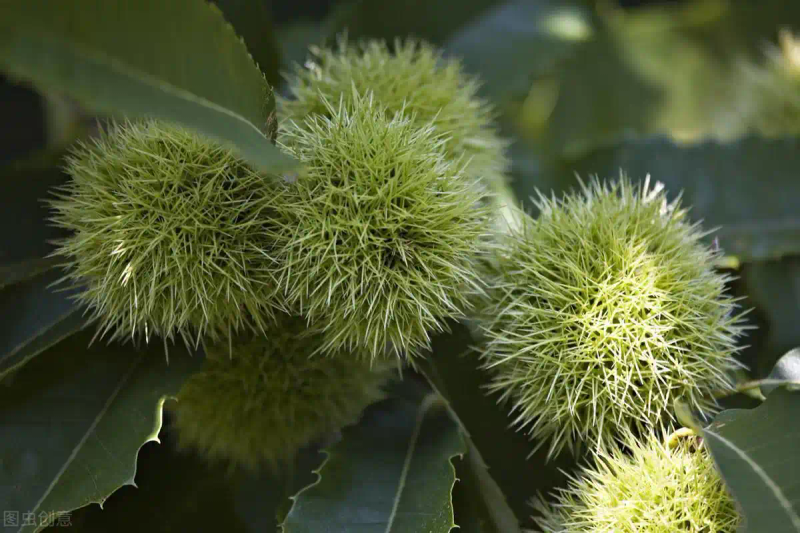
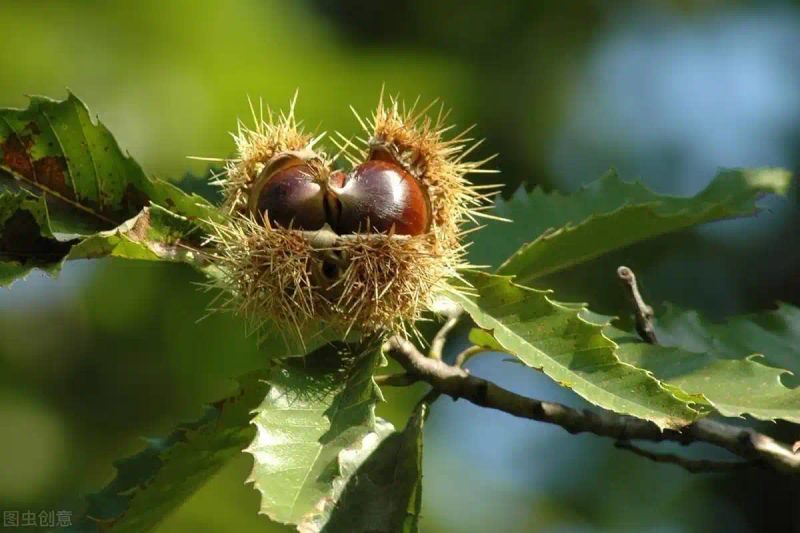
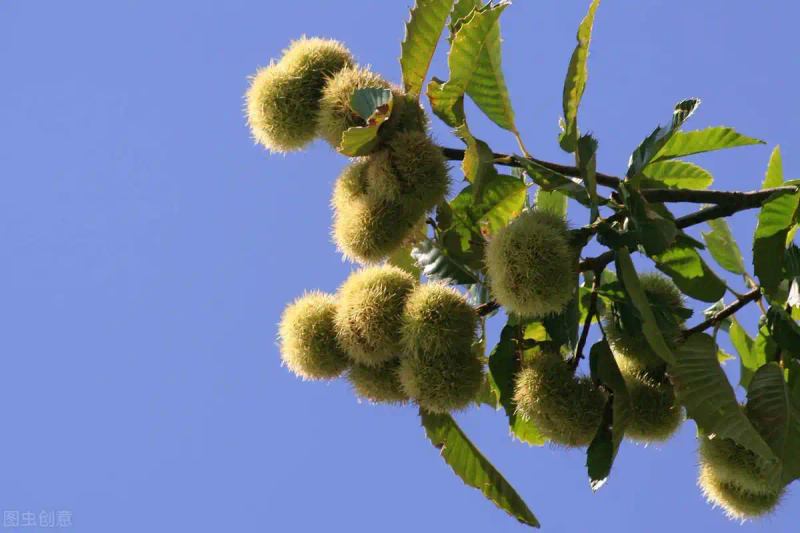
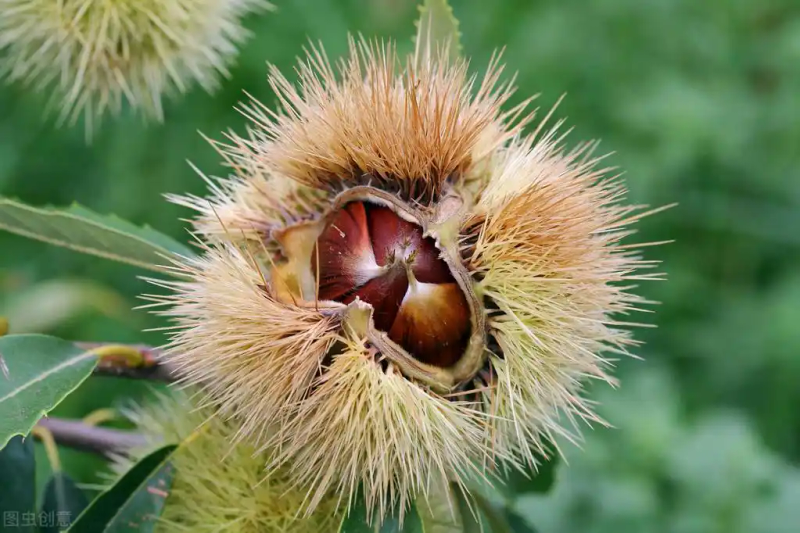
Chestnut is a woody food crop in the shell. China is one of the first economic species to be planted by our fruit trees. Chestnuts are well nourished and contain 40-60 per cent starch, 10-20 per cent sugar, 7 per cent protein, 3-6 per cent fat and vitamin a. B. C. Etc. Fresh fruit and drying are welcome in both domestic and foreign markets. The roughness of the chestnut trees and their adaptability to the soil and climate make them widely distributed in the north and south of the country。
I. Puting
Autumn planting took place after the fall of the leaves and spring planting took place approximately half the month before the spring. (b) cultivation density: properly dense cultivation is one of the important measures to increase the production of crumbs, with approximately 20 plants per acre and 27 plants per acre on a large slope. We need to plant organic fertilizers; we need to configure pollination trees。
Ii. Fertilizing
(i) pre-flower fattening: introduced in february-march to promote new growth and robust buds. (b) 0. 1-0. 2 kg of potassium sulphate and calcium per phosphate, respectively, for each application of 50-100 kg of human urine or 0. 5-1 kg of ammonium sulphate, mainly as a result of nitrogen fertilizer
(ii) fertilizers: in june-july, the seedlings are able to continue growing. 50-100 kg of human urine per application or 0. 5-1 kg of ammonium sulphate, 1-2 kg of calcium per phosphate and 0. 5-1 kg of potassium sulphate. In the case of drought, fertilization is combined with water。
(iii) fruit fertilizers: a full-scale plowing of pine land and clearing of gardens at the chestnuts in september-october, application of 100-150 kg of compost, fertilizer, green fertilizer, etc., 50-100 kg of human urine and 0. 5 kg of calcium perphosphate。
Iii. Intracting
Chestnuts are high-sized radiant fruit trees that grow naturally and are prone to the outward movement of results, with too many outer branches too dense to light the inner chamber, and a large luminous branch, which inevitably produces low yields. Thus, from the larvae onwards, it is generally done at a distance of about 60 to 70 centimetres from the ground, cutting off the top of the trunk, prompting it to split branches, and then selecting branches of 3 to 4 in the appropriate part as the main branch. A tree becomes a natural happy form, allowing the light to enter the crown. As a result, trees need to be trimmed more carefully, usually before they germinate, and can also be gravitated in the summer。
1. Cutting of nutrient branches: long and strong branches should have 2-3 buds in the base, with the remainder cut out, resulting in the extraction of strong branches. Short and weak can not be cut. The unusable branches, the weak branches, the secret branches, the dead branches, etc. Are cut from the base。
2. Cuts of the parent branch of the result: a strong one-year branch outside the canopy, most of which is a good one, should be retained; however, if the result is too dense, the weaker branch of the result shall be removed; however, if the result is too strong, the parent branch of the result shall be left at its bottom with one or two separate branches, and a branch shall be cut off, and the parent of the result of the following year shall be nurtured。
3. Cutting of the branches of the outcome: the branches that produced fruit last year are generally not going to be able to produce any results this year, so that the weak ones can be cut off from the base, the strong ones can have 2-3 buds of the base, and the rest cut。
Cuts in branches: after years of cropping, growth weakens, resulting in a significant decrease in capacity and should be retracted and strengthened。
Iv. High-tech substitution
In order to achieve early economic benefits, it is necessary to replant high-spruce trees, sew them with good seed branches, select five to six main branches of equal distribution, which are usually 2 to 4 centimetres thick, and to marry at 30 to 40 centimetres apart. Bridalism is best carried out between late february and mid-march and late march, with a poor fall in october。
V. Pest management
Chestnuts have a larger variety of pests, with the main diseases being chestnut drying, powdery, rusty, anthrax, etc. In addition to chestnut moths, chestnut moths, aphids, aphids, aphids, oxen, etc., which are common in south china (reference other fruit-tree pests)。
(i) main diseases
1. Chrysotile drying, also known as chestnut contracting, is the most widespread and the most dangerous. Mainly endangering trunks and branches. The fungus enters from the wounds, with a small dent in the red and brown spots, and then expands, with a bubble, softness in the bark surface, decomposition within the cortex, a taste of wine from the fluids flowing out of the cortex, a slight swelling of the postmortem, a hammer shape, cracking or falling of the bark, affecting growth and the death of the heavy ones。
Prevention and treatment approach: (1) strengthen management of fertilizers and increase tree position. (2) cut the branches and clear the source of the infection. (3) the trees shall be quarantined to prevent the introduction of bacteria into the new zone. (4) avoid damage to barks by humans and animals and reduce wounds. (5) protection of winter trunks. (6) selection of disease-resistant varieties and development of healthy seedlings. (7) in early april and mid-june, sick tree skins were scraped, each with 10 times the sodium carbonate, with a cure rate of 96 per cent; polybacterium, tobzin, dison zinc or thiomers were also painted。
Two. Chestnut powder is fungal disease. The main damage to the leaves, sometimes fresh, and the buds also suffer. The sprouts of the sprouts, yellow charred, falling. The leaves were initially yellowed, followed by white powdered molds on the back。
Methods of prevention and control: elimination of leaves, cutting of branches and burning of disease during winter; strengthening of plant management, such as a deep fall of the entire garden during winter; laying of nurseries in ventilated radiant areas where the distance of the tree is not too dense and the water is drained from high-bed deep ditches; spraying of thiomers with 12. 5% wettable powder or degenerative principals during the onset of the disease, with a series of 2-3 times, 7-10 days apart。
(ii) major pests
One, the chestnut bee, also known as the chestnut bee, larvae sprouts, swelling to thinness; can't smoke new twigs, strewn branches in severe cases, or even all of them, affecting the growth and outcome of the current and subsequent years。
Prevention and control measures: (1) weak, diseased and burned in winter. (2) the use of natural enemies such as bee-jumping, thin-tailed bees, etc. (3) two series of sprayings of oxidizing fruit, parathion, dichlorvos cream or 50% of thorium pine cream 1,000 times the fluid before and after the adult infestation (june-july). Or dry the branches in early april with 40% oxidized fruit。
A little bit of moths, mainly with larvae, drilled in the larvae, dry in the pelvis and marrow, and sent out wood crumbs and dung, adhesived into the vomiting silk web to form cystic worms. The insect tracks are straight and short, and at night they often crawl out of the bite cortex, leading to the death of the chestnuts or the wind。
Measures to combat: use of straight and short larvae to kill with steel wire; recruitment of birds to protect natural enemies; re-enactment of clay with dichlorvos, thorium or 2. 5% bromocymethrin emulsifiable concentrates of 5,000 times more, to poison larvae. The fruit farmers had put clay into the hole and could choke the larvae to death。
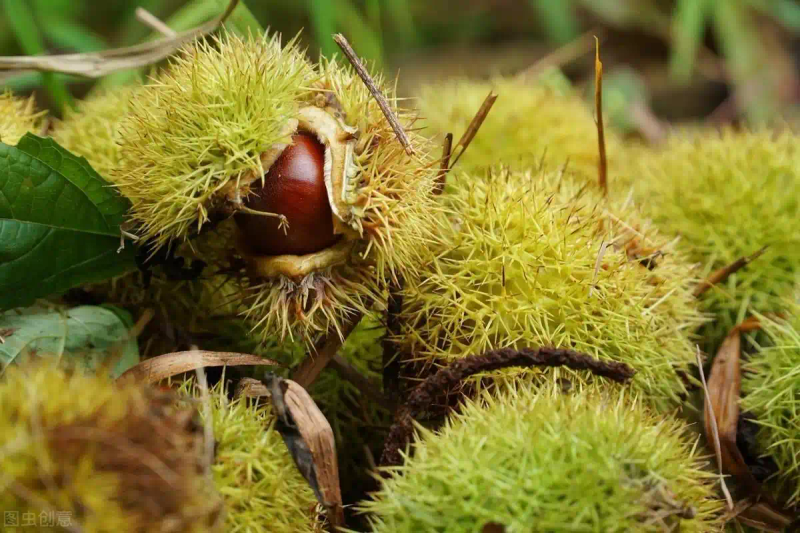
Collection and storage
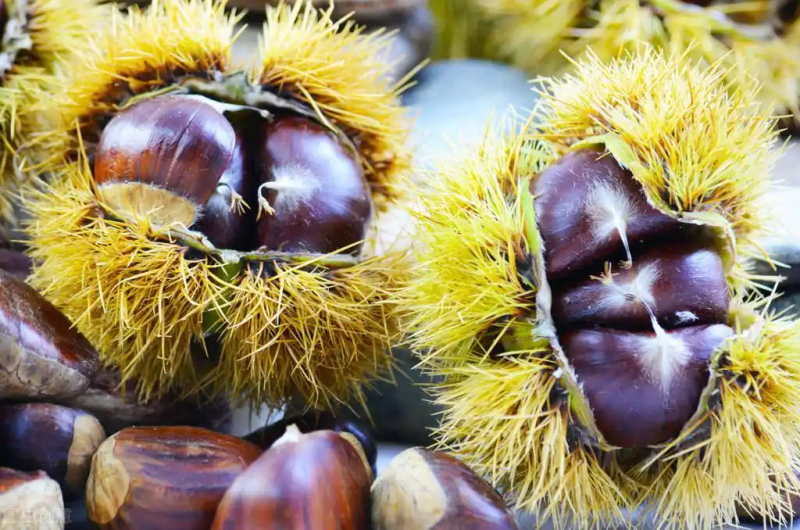
The maturation period of cedar nuts varies according to variety and wind and earth conditions. The harvest period shall be determined by a total twilight rotation from the total cape and 30 to 40 per cent of the total twilight tip of the cape which has been slightly cut. Early harvests of perishable storage are intolerable, while late recovery of nuts results in losses. - it would be useful to choose a clear day of harvest, where most production areas now use bamboo poles or hooks to harvest. In the case of a total sling with a bamboo pole, it shall be struck by an inward-directed branch so as not to hurt the branches and buds and affect production in the coming year. After harvesting, the tatter shall be placed in a cooler ventilator at a height not exceeding one metre in order to prevent heat from decomposition; after three to five days, the tatter shall break itself and then slit the tatter with a wooden tusk or mechanize the chestnuts and the tatters for collection or packaging for transport。
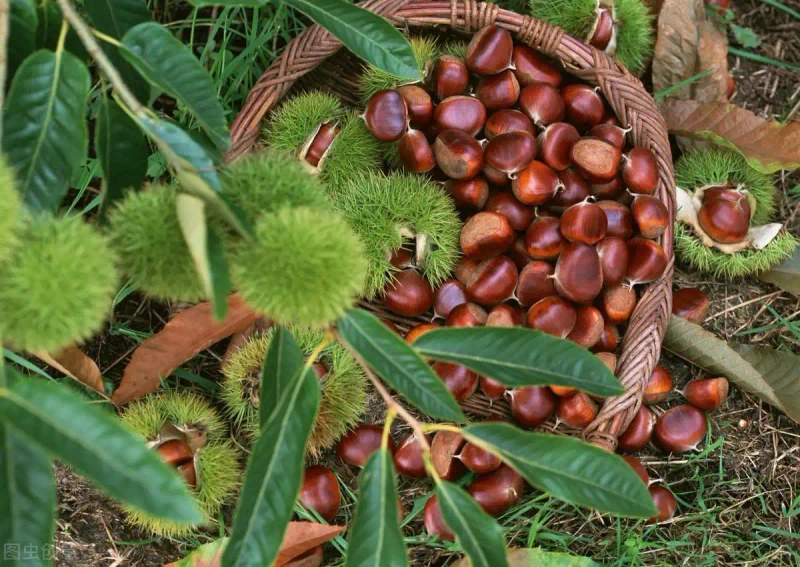
After harvest, chestnuts are highly perishable due to high temperatures in the south. The harvest should therefore be quickly covered, disinfected (carbon dioxide fumigation), dissipated, and chestnuts packed. The long-distance transport can be carried with a mackerel plastic membrane bag or with approximately 50-55 per cent humidity of sawdust, interactive with chestnuts and placed in a wooden box (with appropriate distance to ventilate), with good effect at constant temperatures and better refrigeration. If the above-mentioned wet sawdust is mixed with chestnuts in small plastic sheet bags, the pockets are not fully secured, leaving a ventilated gap and then placed in a wooden box. The weekly bag-opening, air-conditioning and storage at constant temperatures for two to three months were extremely effective. In addition, chestnuts are stored by: (1) sand. Ten centimetres of wet sand are laid in the shade room (hands held in groups, hands dispersed in degrees) and then one layer of chestnut 1 layer of wet sand is stored. The top layer covers more than 10 cm and is stacked at a height of not more than 1 m. (2) refrigeration. Packed in sacks, stored in freezers of 1-4°c, with a relative humidity of 90-95%, and periodically checked to pick up bad fruit, which can be stored over the years. (3) leached storage of rare acetic acid. One minute of chestnuts with 1 per cent acetic acid, one minute of asphalted and covered with pine leaves, plastic membranes, four times a month and a 94 per cent rate of 142 days of good fruit。