The harvest should begin at the end of may. By the end of june, the first harvest should have been completed. The method used to identify a ripe watermelon is that it is grown up with a good skin, a bright hair, oil stains, a hair on its skin is retreating, leaving only a band of fuzzy hair on its skin, and the umbilical umbilical umbilical cavity is dimmed, and the raw melons are floating in the water; the watermelon is stuck in its hand, squeezing by its ears, and the “zz-” sound of the melon is ripe melon, and many are sand melons; the hammering method, with a tow of its hand, is softly beat with its finger or middle finger, the mature water melon, and the less mature melon is sounding. The normal pattern is "silent" for melons, and "crumbs" for melons, and in exceptional cases, when the skin is too thick, it sounds like melons, but not necessarily for melons. There are other melons, which are tougher, and which knocks out soundy but mature. In such cases, there is a need for “comprehensive identification and flexibility”。
For the skilled, the fastest way to identify is to see the hair. This method is generally used for large-scale production of watermelons。
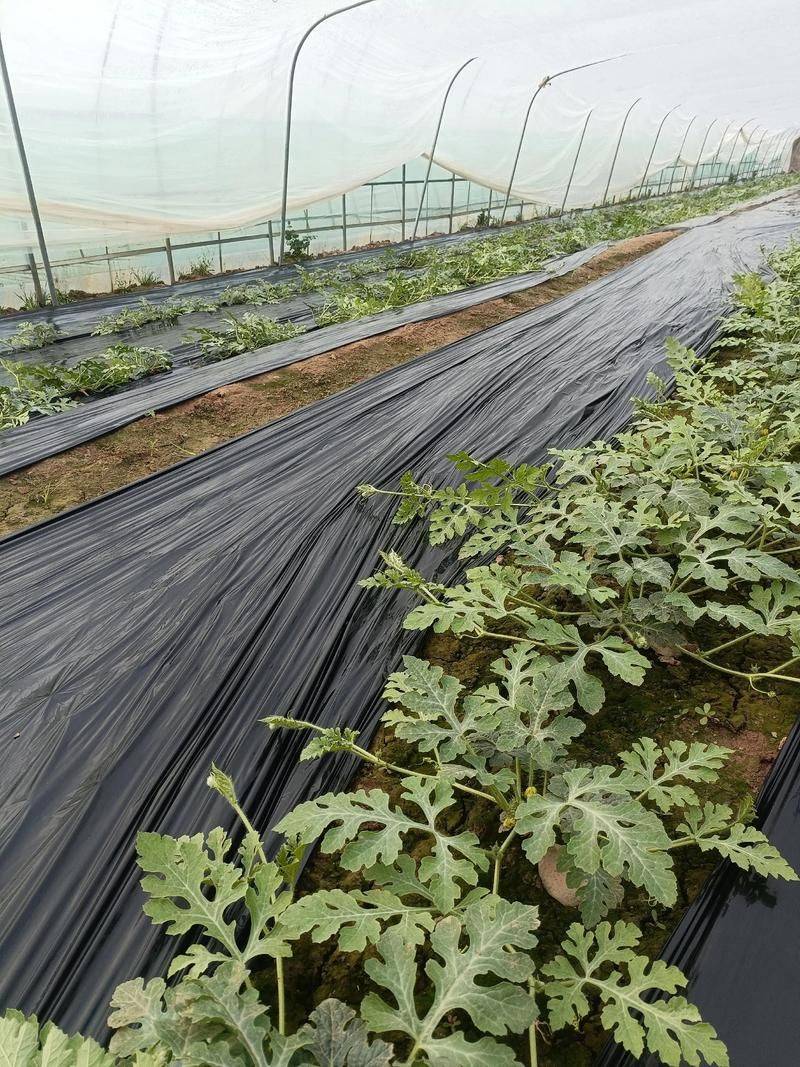
Care is taken during the harvest period, which is also the thintest period, during which many species can easily cause cracks. There are special varieties with a rate of more than 30 per cent and a significant loss for the scavenger. High temperatures and droughts have caused a large number of fissures in some of the watermelons that are experiencing periods of expansion. Most of the fissures during the period of expansion were due to sharp changes in soil moisture. In addition, the general thin skin varieties of watermelon fissible fruit, such as yellow jade, red jade, 84-24 etc., are only 0. 5 centimetres thick, and when the fruit matures, it causes a large number of fissures, such as vibrations, continuous rainfalls and sudden floods from prolonged drought。
Precautionary method: appropriate gutter irrigation, which can be determined according to foliage and recovery conditions, combined with local weather forecasts to ensure that the gutter irrigation is carried out within the next three to four days without heavy rainfall and that the water is evenly distributed. Better use drip irrigation。
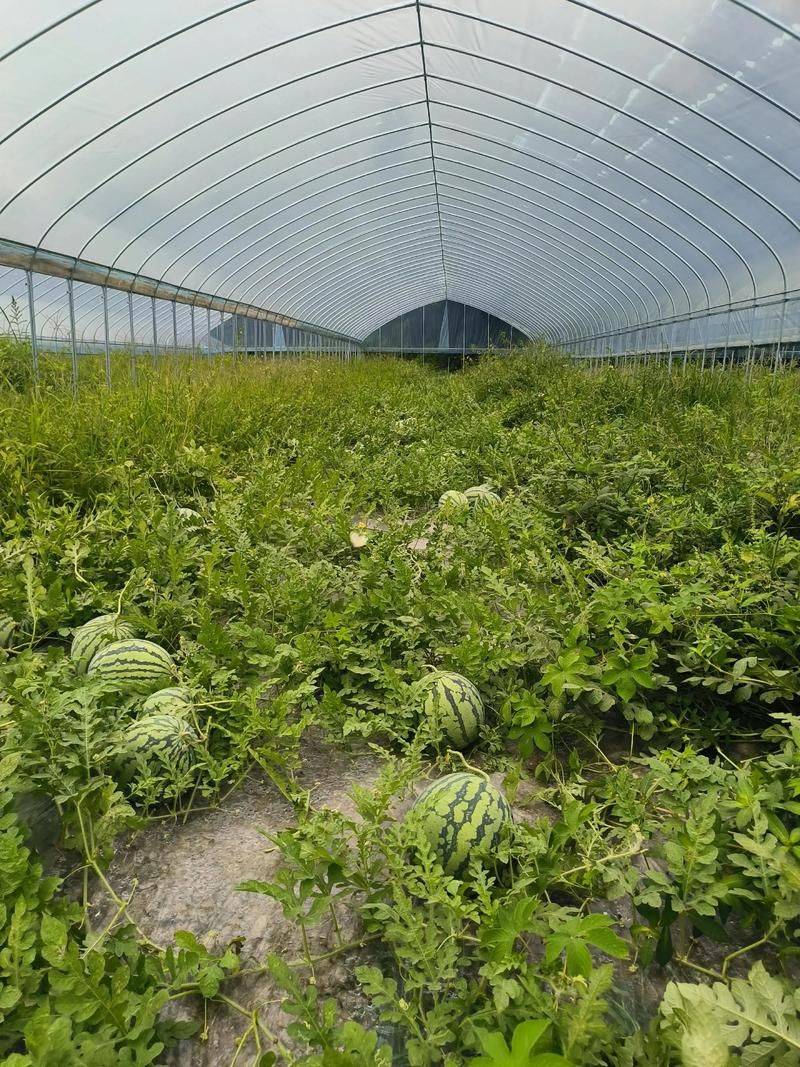
In times of severe fracking, large-scale nutrient inflows can be properly controlled in order to prevent the sudden rainfall of fissures following successive droughts. The method is to select two little bamboo sticks with a width of one third of the length of the penis, which are inserted vertically into each other; to insert the handle vertically instead of the sticker; and to twist the vine or the handle with the hand to the point of reducing the fissure。
Late- and mid-term diseases: one of the major diseases of watermelon. Decay can occur throughout the reproductive life of a watermelon, but with the highest incidence of cyanosis. In particular, nearly 100 per cent of cases occur in hard-earned fields. It causes a disease, yellow leaves in the lower leaves, rough skins in the base of the tuber, frequent fractures in the neck, water stains in the wetness of the disease, often glitters in white or pink form, and is bound to brown. The method of prevention is integrated treatment: first, rotation, with an interval of more than five years; second, marriage, with the use of high-resistence black blue melons for beryllium wood; third, the detection of atrophy and the timely removal of the strain; and fourth, the use of 50 per cent of the polymixable humid powder 500 times the fluid or 30 per cent of the dt fungicide 350 times the root or the option of benzene, 70 per cent of the methyl tobzin and 500-1,000 times the dikeson watered around the root of the plant with 200-250 ml per drug for a period of 7-10 days。
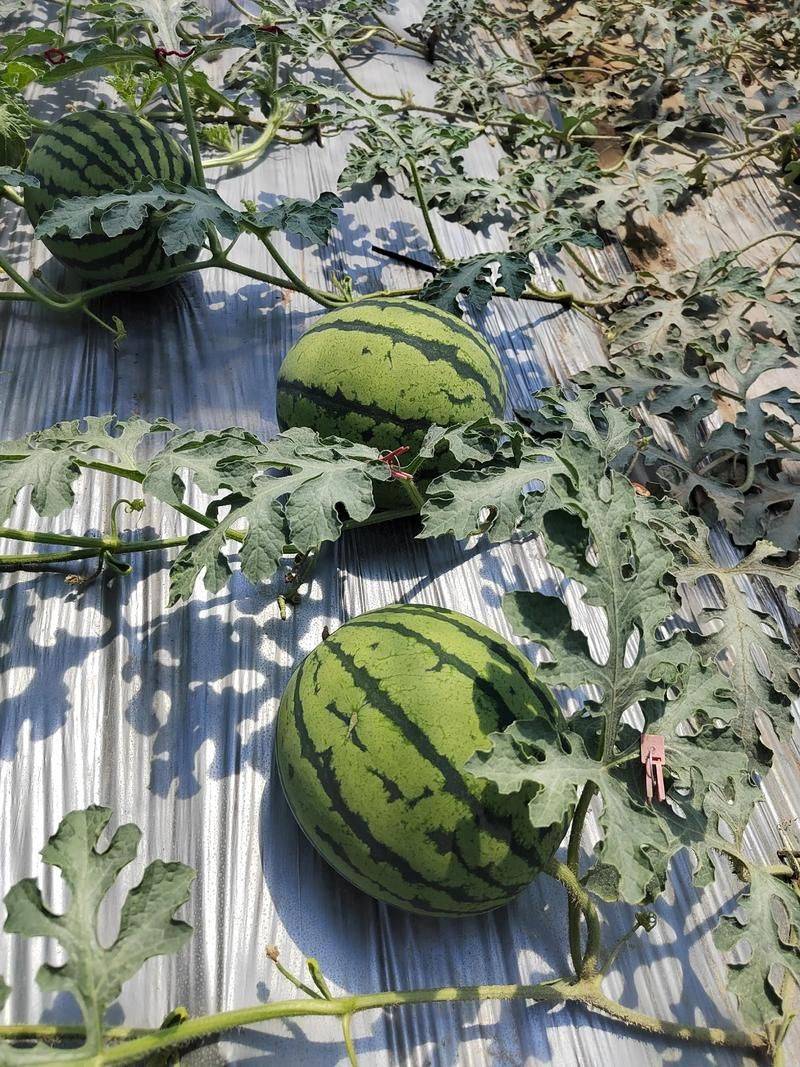
Anthrax: anthrax is the most serious outbreak in the mid- and post-watermelon. On the edge of the blades there are brown circles or half circles of disease. There are small black spots or pink slime, with black and brown shrunk to death. The penis and leaf handles are in circular or hammer shape, yellow to brown, slightly dimmed, and can cause the plant to die if it is serious. The fruit site was initially stained with water, light green, extended with circular or elliptical shapes, brown dents and pink viscos during damp. The response is to spray 50 per cent of the methio-sulphus filamentable powder in the protective and open areas at the beginning of the disease, 800 times the fluid, plus 75 per cent of the methic humid powder, 800 times the fluid, or a mixture of more than 50 per cent. In addition, 36 per cent of methyl sulphate sulphate suspensions can be used 500 times more, 80 per cent of anthrax filamentable powders 800 times more, 62. 25 per cent of cactus or 80 per cent of the bulk humid powder 700 times more, 10 per cent of the world's high water dispersible granules 1,500 times more, 2 per cent of the antimony (farm resistance 120) water agent 200 times more, seven to 10 days apart and two to three consecutive treatments。
Epidemic: the disease mainly affects the leaves and fruits of the watermelon. The diseases on the leaves are rounded, water stains, dark green, soft decay when the air is wet, green when dry. The disease of the tubers and leaf handles is marked by a hammer-shaped condensation, which is a dark green water stain, with the upper and upper lobes falling down. The fruit disease produces dark green water stains and diarrhea, with thin stench and stench. This is done by using 75 per cent of the 100 bacteria to clean 600 times the humid powder or 800 times the rinoxin humid powder, or 50 per cent of the enzyme humid powder 500 times the spray, 64 per cent by 500 times the venomicide, 60 per cent by 500 times the amphibian ethyl phosphorus (dtm) wet powder, every five to seven days, three times in a row. The difference between care and anthrax is that the two are different。