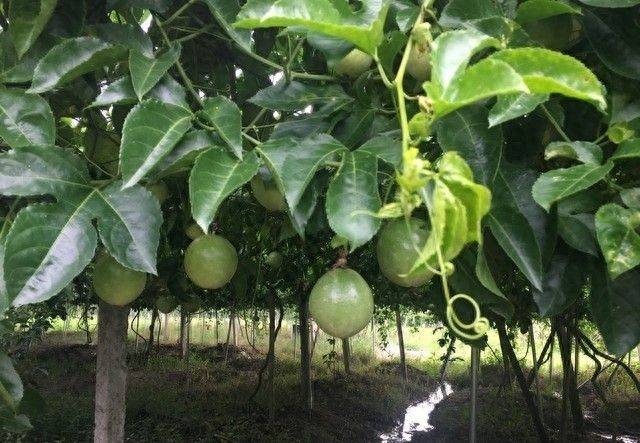
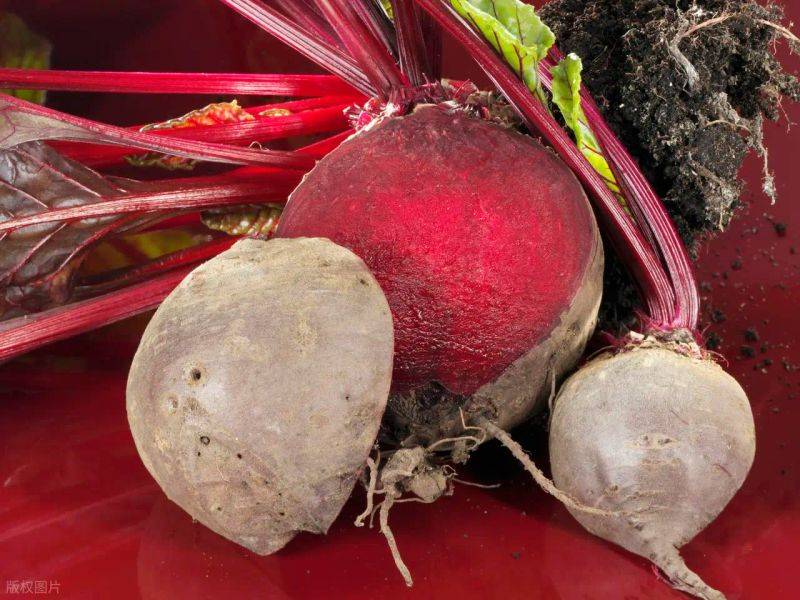
It's also called qing, qing, etc. They can be eaten with their cold and bitterness, rich in a variety of nutrients, and their mouths are clear and popular. Cultivation to improve the quality of production is the “fast door” to supply the market。
I: soil is the foundation
Despite its strong appearance, the luminum, as a result of its shallow intake nutrients relative to the deep crop, is short-spectrum (due to the large amount of nutrients to be absorbed in the thick tuber in the mid- and late-stage period, most of which is based on the roots to absorb the moisture and nutrients, as well as on breathing), and if the soil is hardened, it leads to poor growth of the roots, leading to poor growth and reduced yield. Thus, growth and development require soil decomposition; a good aerobics; and fertile plots. It is not appropriate to plant in a sticky soil, and it is recommended that the soil be ploughed down before planting or planting, that some pathogens and eggs be killed through ultraviolet rays of sunlight and that organic fattening be applied, thus contributing to the growth and growth of the root system, which is decisive for the subsequent promotion of the growth of the stupor and increased resilience。
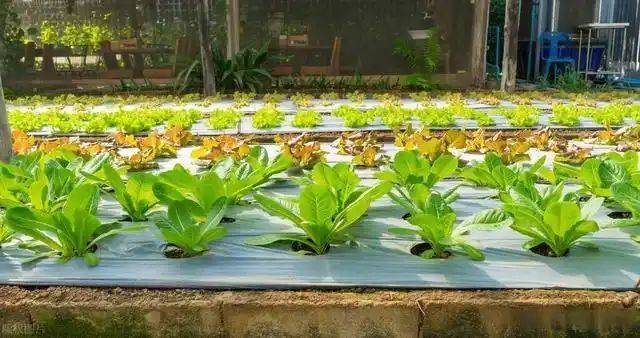
Ii: cultivation and migration in time are key
It likes to grow in cold and hot conditions. General ambient temperatures can grow well between 15 and 25°c and can cause poor growth if the ambient temperature is above 30°c. However, given the high temperature and lack of accurate and uniform planting and planting time across the north and south, farmers need to be assured of the local planting environment。
Three: rationalally embedded is important
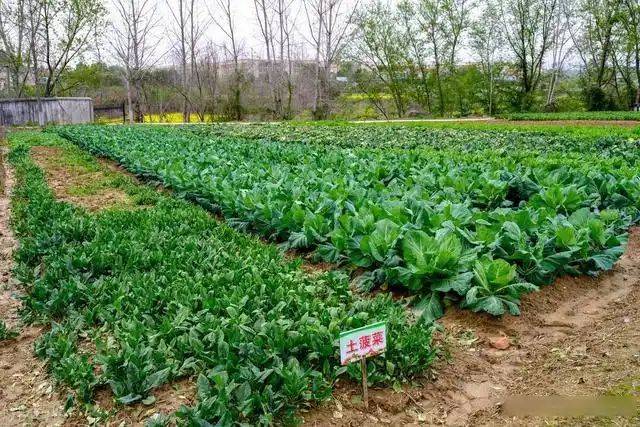
Many growers tend to grow and migrate in pursuit of higher yields, often at a different rate. The blades are very dense in the process of growing up, and if they are too dense, they lead to poor permeability and light, making them easy to grow (to grow or grow). It is therefore possible to ensure a good growth by ensuring reasonable distance and distance at the time of planting or shifting the plant. The recommended length of the platinum is in the range of 30 to 35 cm and the range is in the range of 35 to 40 cm. It's too dense to affect its growth, too thin to affect its output. Of course, if only to harvest leaves, it is recommended that the spacing be between 25 and 30 cm。
Iv: fertilizer management
It is dominated by growth poles and blades, and its strength is strongly related to fertilizer. A large amount of nitrogen fertilizer is required throughout the life cycle, and if the nitrogen is not fat enough, it will grow small. So, under conditions of sufficient bottom fertilisation, there is usually a two- to three-time urea chase, which can be followed by manure with fermented manure or bean pie with the right amount of urea before the rod swells. During the expansion of the rods, the appropriate quantities of potassium fat were applied together on the basis of the use of nitrogen fertilizer, while the fat was pursued in conjunction with watering and soil moistification to facilitate the rapid and efficient absorption of the plant。
V: fabrication and increase in production
In addition to the application and pursuit of bottom and bottom fertilizers, the application of leaf blades can significantly increase the tubing poles of gill growth and has an irreplaceable effect on increasing the production of gills. Before and during the expansion of the rods, 5 to 15 grams of esters of 5 grammer + 30 grams of potassium phosphate were used for 15 kg of water, and leaf blades were sprayed one time at 10 to 15 days and twice, generally increasing production by more than 25 per cent。
Vi. Prevention and treatment of diseases
In the case of normal crop management, epidemiology is less harmful. The spring and autumn season is wet and prone to frosting. It is not only a common disease, but also a major disease that constrains yields. It is possible to cause the disease in seedlings and plants, which are the worst affected。
Frost is caused by fungi, which can be used for rainwater, insects, agricultural machinery, etc., and is easily induced at 15 to 17 degrees celsius。
Prevention and treatment methods: avoid overplanting; enhance ventilation and light in the fields; and eliminate flooding and wetting in the fields
(b) selection of disease-resistant varieties
In the early stages of the onset of the disease, such agents as mercuric manganese zinc, toxachloride and anco (trade names) can be sprayed. In the event of a continuous rainy weather or serious illness, several drugs may be used interchangeably or in combination to promote and improve the effectiveness of prevention, usually once in 7 to 10 days and only twice or three times in the first three days of the harvest。
Vii: preventing cracks
It is expected to be watered and fertilized in accordance with the state-of-the-art controls. The undesired ones can only micro-fertilize。
Viii: attention
Optimal varieties and seeds。
The seedling period begins to grow at four to five leaves, and it is too small to affect its survival rate; it is too slow to grow too long, and it affects its survival and effective growth。
In order to avoid root burning and seedlings, farm fats or calcium phosphate are used as far as possible as base fats to avoid the use of composite granular fertilizers. The plant must be pumped。
The bottom is full until the age of ten leaves is reached。