The sand sea is green, the desert is oasis. After many years of integrated governance, as the largest and most diverse eco-functional area in the north of the country, the ecological situation of the inner mongolia autonomous region has been transformed “overall deterioration has been contained and partially improved”, gradually forming a “green great wall” to resist wind and sand, maintain soil and maintain agriculture and promote pastoralism, thereby strengthening and strengthening the vital ecological security barrier in the north of the country。
Kubchi's mongolian word means “string on bow”. The 7th great desert of china, known as the “no life zone”, has been one of the sources of sand and dust in kyingjin。
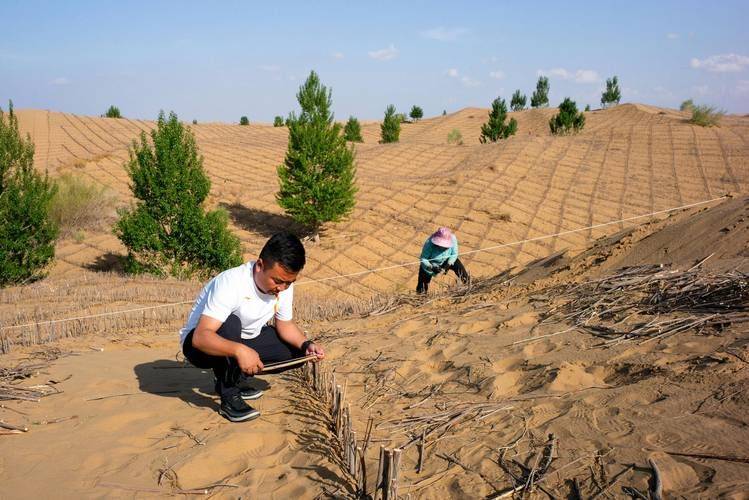
In the depths of the kubuchi desert, a ruler of more than 10 metres high is placed on a dunes with a yearly sign every one or two metres, each reflecting the height of the dunes of the year, the highest point being in 2009, down to 2012, 2014, 2016..
Zhang jiu-ki, a multi-billion-dollar sand expert, told journalists that they were using wind-to-data techniques for afforestation to significantly reduce the height of sand dunes. This technique uses the peak-filling principle to determine the main wind direction of the location of the floating dunes, and then plant trees below three quarters of the height of the wind slope, where the unafforested slopes are gradually flattened by the wind and where the trees are planted. “for 10 years, we have used this technology to cure 1. 6 million acres of sand, which has reduced the height of sand dunes in the qubshi desert governance area by about one third on average.” zhang jiigu said。
It was explained that, in line with the governance approach of “prosperity, proximity and distance, lockside cutting, zoning and overall advancement”, biological measures were combined with engineering measures, with a focus on prevention combined with regional prevention, and that the development and application of sand management “black technology” such as container-plantation, wind slope afforestation, hydrogas cultivation, glycerine transfer, drone broadcasting, etc., was an effective scientific contribution to the governance of the kubuchi desert。
At present, 8,733,000 acres of desert have been rehabilitated in kubshi, with vegetation cover rising from less than 3 per cent to 53 per cent in the 1980s, with a marked increase in precipitation, a marked decrease in sand and dust weather and a positive overall trend。
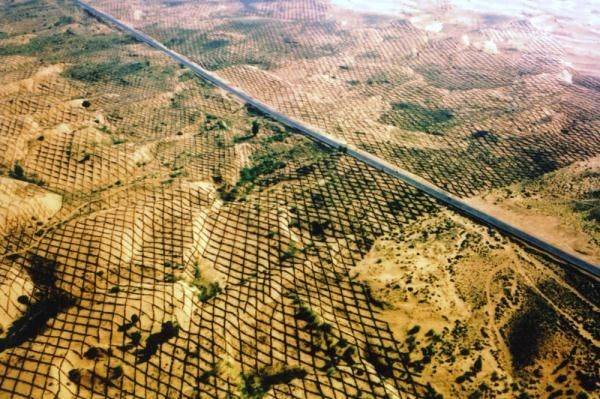
Inner mongolia kubshi desert ecological reserve。
Hao hao, director of the forestry and grassland department of the autonomous region of inner mongolia, said that the success of the kubushi desert was a microcosm of the results of the overall ecological rehabilitation of the country. During the “1355” period, the country managed nearly 72 million acres of sanded land, accounting for more than 40 per cent of the country's total area of governance, equivalent to about three beijing territories, leading to a shift from a “saloon retreat” to a “green retreat”。
The ecological status of the autonomous region of inner mongolia is of great importance, but the ecological environment is extremely fragile, with the four largest deserts and puzzles in the country, namely batangilin, tengri, ulanbu and kubuchi, misydak, koljan and haronbel, one of the most heavily affected provinces of the country with the highest concentrations of desertification and salinization lands. The ecological situation in inner mongolia is related not only to the survival and development of the population of all ethnic groups in the region, but also to the ecological security of north, north-east, north-west and even the whole country。
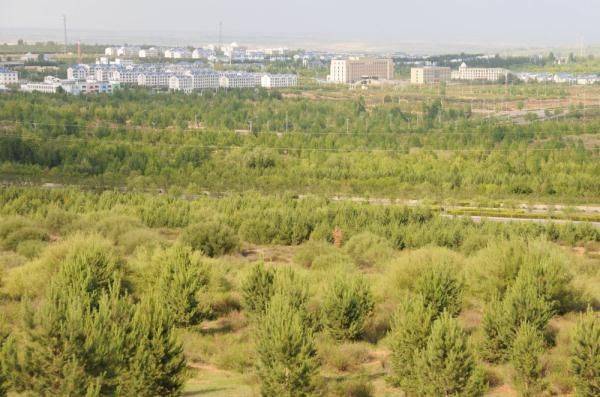
Project area for ecological governance of the maususa land in inner mongolia。
According to zhang xianxi, the head of the forest and grass management unit of the inner mongolia autonomous region, inner mongolia science promotes the integrated management of sanded lands, the implementation of a number of national priority ecological construction projects, such as the management of wind and sand sources in kyoto, the construction of a “tri-north” protective forest system, the restoration of tillage, the conservation of natural forest resources, the combination of natural recovery and artificial restoration, and the adoption of integrated measures such as planted and planted grass, fly-sown grass and seal sandy forest (grasss) to promote effective protection and restoration of sandy ecosystems。
Zhang guangxi said that her country had now planned to build a number of different types of sand-resistant demonstration bases that would lead to groundbreaking progress in combating desertification. For example, in the city of peak peak, the hondo flag concentrates on areas with higher levels of land salinization, creating a million-acre integrated sand treatment base; in the district of siilin gullen doren, a million-acre safrost base has been built, with a million-acre shoal forest base being built using industrial pull。
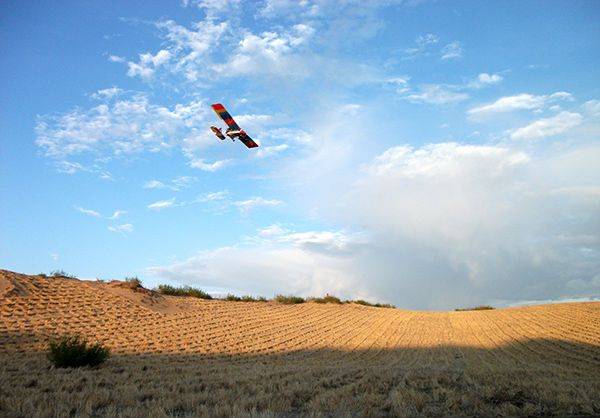
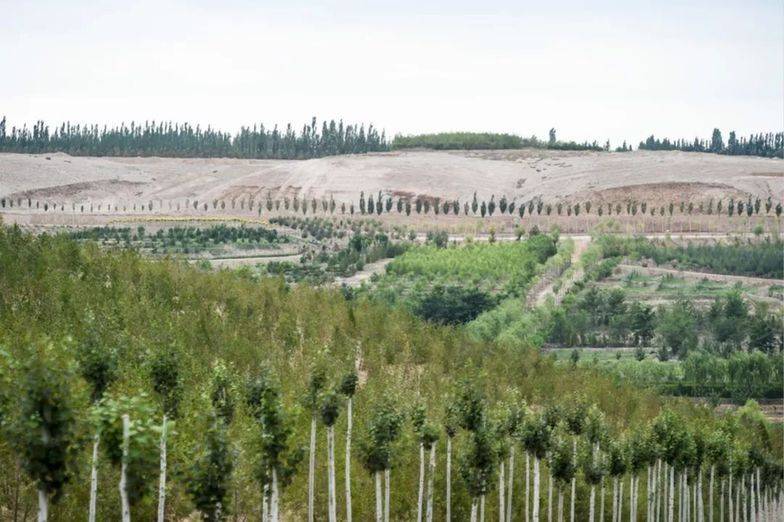
In the city of akemang, chennai mongolia, a flag of hondo niu was flown for silviculture。
In inner mongolia, sand control is closely linked to the development of the local economy, increasing the incomes of farmers and pastoralists, exploring various types of industrial control models, focusing on the development of industries such as sand plant cultivation and development, special medicinal plant cultivation and processing, desert landscape tourism and so forth, and moving out of a new path of sand control “administrative push, policy push, industrial pull, typical drive”。
At present, forest cover in inner mongolia has increased to 23 per cent, vegetation cover in the whole range of grasslands has been restored to 45 per cent, desertification and sanding land areas have continued to be “double-reduced”, with a marked improvement in the ecological situation in the sanded land management areas and the transformation of deserts into oases in some areas。
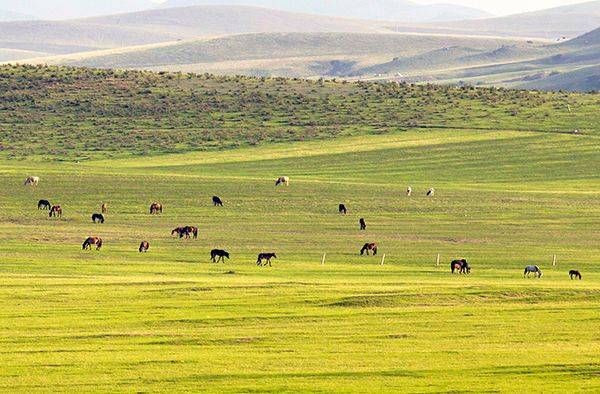
An eco-functional area of the haulenberg steppe in inner mongolia。
According to the information received, in inner mongolia half of the country is now covered by the ecological red line, and by 2035 the range of grassland ecological and productive functions are planned to increase significantly。