Li, who is guarding the transformer station, talks today about the three most painful types of “failure”。
I. Shooting: bullshiping in any shoot
Running circuit breaker, confiscated any instructions, suddenly jumped off the gate. The protective device does not have an action signal and no operational records are available on the backstage。
Possible causes: direct-flow systems are grounded (the operational circuits are active and negative simultaneously, forming a parasitic circuit); intra-institutional auxiliary contact points are adhesive or faulty; vibration leads to a shock to the breaker circle; anti-disturbing capacitation failure; and the induction voltage is triggered by an error in the lightning or downing operation。
How to do this: look first at any special weather or operation during a breakout, and check whether the direct flow insulation monitoring device has been alerted. (c) measuring circuit circuital resistance and eliminating insulation. Inspection of the state of jump-proof relays, auxiliary switches in the box of the institution。
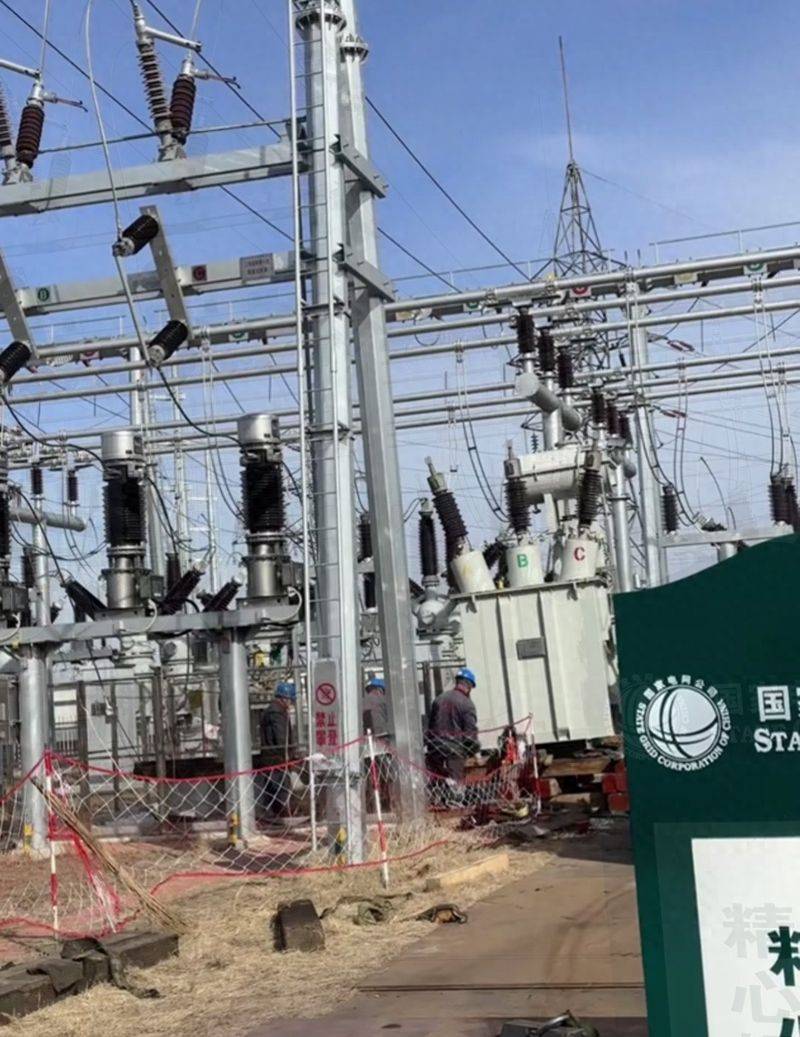
Ii. Refusal to move: time to jump
The line's down, the protection's moving, but the breaker just didn't jump. The consequences are serious — upper-level back-up protection is delayed and the power outage is extended。
Possible causes: disappearance of the operating power source (direct flow opening or melting of the breaker); burning of the breaker loop or carcass; institutional mechanical card stagnating (transformation of the moving pole, rotor rust); and abnormal conversion of auxiliary contact points。
How to find out: first, make sure that the operating power is normal, and measure the power at both ends of the split circuit. There's electricity, there's no movement, and there's no card. After the power is out, try to divide manually and feel mechanical resistance。
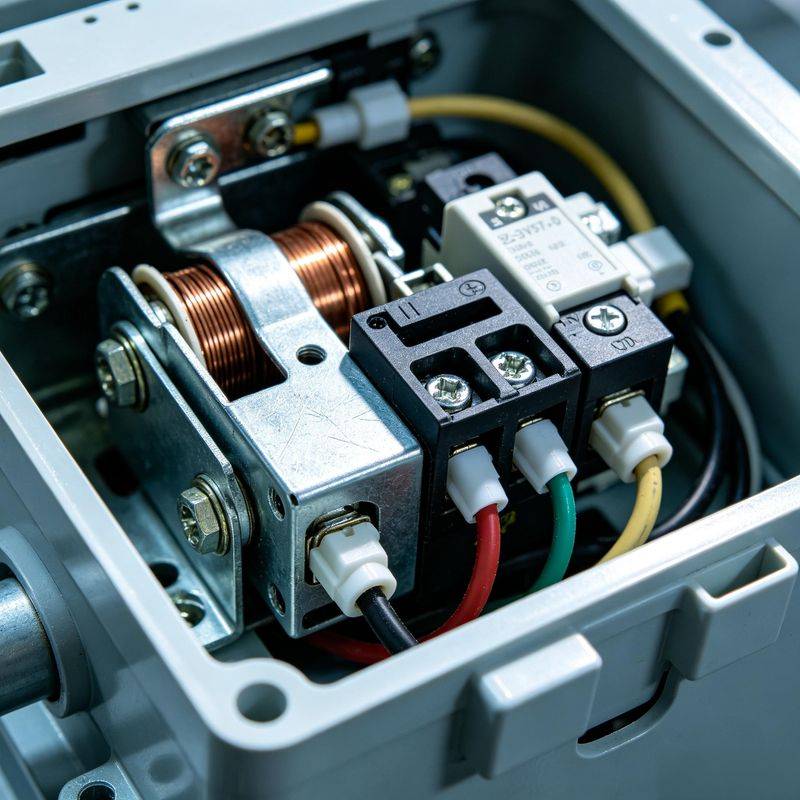
Iii. Error: shouldn't jump in the air
No faults, no protections, the breaker jumped — or the protection movement, but the failure point was not on the line (overstepping)。
Possible causes: inadequate coordination of protection values (lower failure, first jump); saturation of current sensors leading to protection miscalculation; decline of secondary insulation resulting in mishandling; misdirection of personnel by error of operational circuit or remote direction。
How to do it: see the protection action report and confirm which protection startup, failure ranging. Check the re-routing of current sensors. Checks whether the protection values are consistent with the schedule and whether there is a mismatch between upper and lower levels。
Iv. Universal treatment steps
Following this pattern, the following sequence is followed:
Watch the signal first: back-office messages, protective beacons, operational circuit status。
Back-to-back routes: direct current power sources, closed circuits, auxiliary contact points, end rows。
Re-inspection: manually operating the feel process and checking the mechanical components。
Final insulation: the second insulation to the earth with a mega-eat scale is detected to exclude the insulation of the site or the tide。
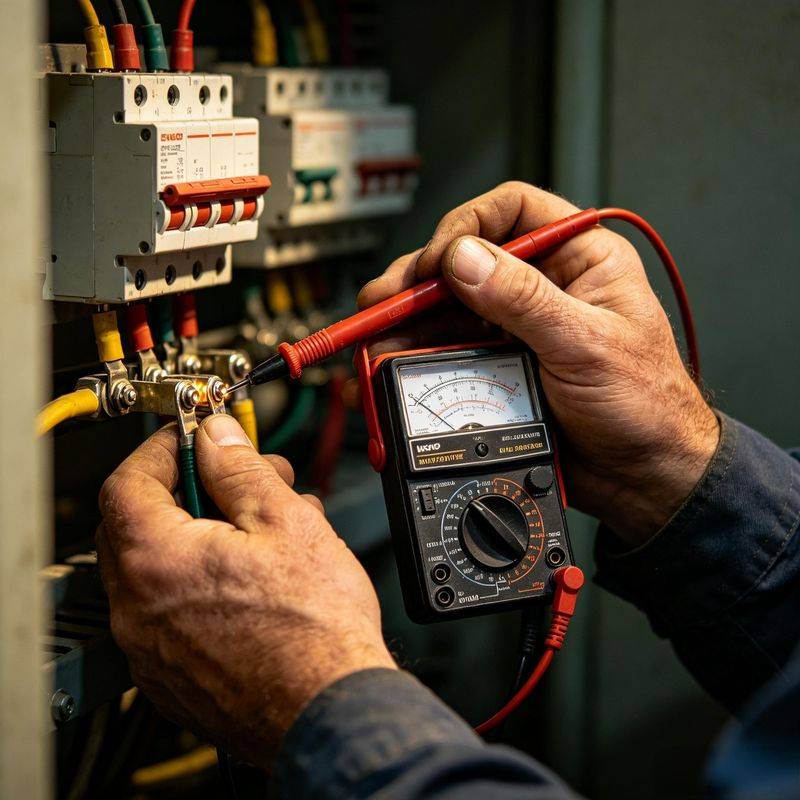
V. Preventive measures
• regular clean-up of internal body dust and checking of tight screws
• measurement of direct current resistance in the closed circuit and development of trend files
• periodic low-voltage binding tests to verify action values
• direct flow insulation monitoring devices must be operational

Vi. Conclusion
Sneaking, resisting, making a mistake, each time they appear, they give the transport a headache. However, most of the malfunctions follow the pattern and follow the order of signal-return-agency-insulation, which always leads to the source of the problem。
Ladies and gentlemen, if you think it's useful, ask for more. What kind of "unbelievable" breaker did you meet? The comment section talks about the process。
I'm li at the transformer station. I'm watching. I've got electricity experience。