1. Is 100% pure juice the same as mashed
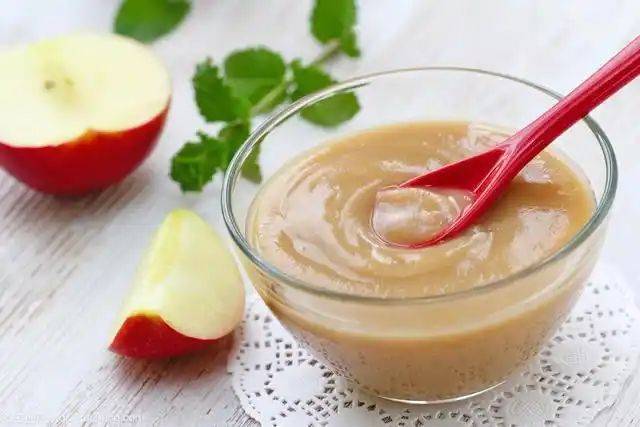
The sugar content of fresh juice, 100 per cent pure juice, sugar, sugar, etc., is too high and the dietary fibre content is low, and its nutritional value is not as high as mud or the whole fruit。
In order to reduce the intake of infant sugar, infants aged 7 to 12 are recommended for the best use of fruit mud and small grains, with a small amount of pure juice, which needs to be diluted。
Young children aged 13 to 24 years drink no more than 120 ml of pure juice per day, and it is desirable to limit consumption to regular meals or snacks。

2. How can iodization of infants be guaranteed without salt
Iodization of salt is an important measure to prevent iodine deficiency. The emphasis on reducing salt intake may simultaneously reduce iodine intake, while iodine deficiency also poses potential risks to infant and young child growth and health。
Who advocates salt reduction and, while reducing sodium intake, does propose that there is a need to continue monitoring changes in the intake of salt in the population to consider whether changes in the quantity of salt iodized iodized。
When the mother has sufficient iodine intake, the amount of iodine in breast milk can reach 100 to 150 ug per litre, meeting the needs of infants of 0 to 12 months old. The appropriate intake of iodine for infants aged 0 to 6 months was 85 ug per day. Children aged 7 to 12 months received some iodine from complementary diets。
The recommended intake of iodine for children aged 1-3 was 90 mg per day. Young children aged 13 to 24 start trying to feed their families, and they also consume a small amount of iodized salt, thereby obtaining sufficient iodized salt. In order to ensure the intake of iodine in infants and young children, breastfeeding mothers are advised to regularly eat seafood, and seafish shrimp can also be used as complementary food for infants and young children as early as possible。
3. What food is appropriate for young children aged 13 to 24
The ultimate goal of the addition of supplementary food is to transition to a diversified diet at the age of 24, thus encouraging 13 to 24-month-old children to experiment with family food and to eat with their families after the age of 24。
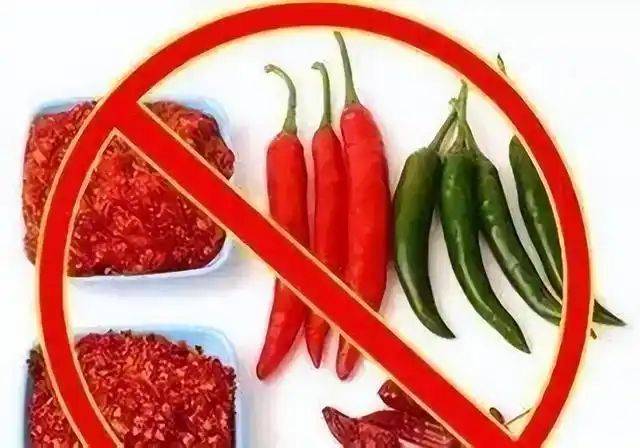
Of course, not all household foods are suitable for young children aged 13 to 24, such as salted, halogenated and barbecued, heavy oil, sweetness and irritated high salt, sugar, and irritating heavy foods。
Household food suitable for young children aged 13 to 24 should be less salty, less sugary, less stimulating, and preferably home-made。
4. Why is there an adequate amount of oil for infants and young children
Infants and young children are living fast and long, with relative energy needs higher than those of adults, while oil resins have the highest energy density。
About 50 per cent of the energy of breastfed infants during the six-month period is derived from breast milk fat. The appropriate intake of fat for infants aged 7 to 12 years is 40 per cent of total energy, and 35 per cent for children aged 13 to 24。
Infants and young children also need more fatty acids, such as dhas and aras, to ensure brain and visual growth。
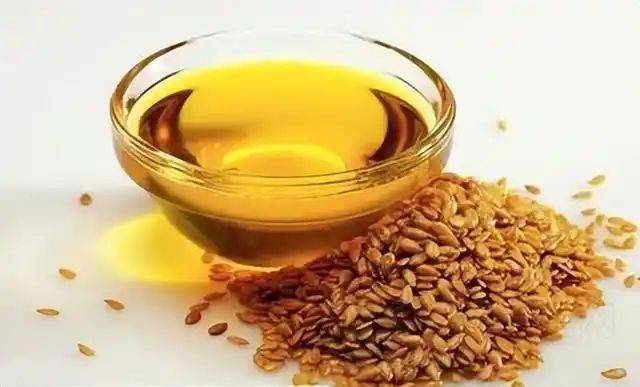
Thus, the total fat intake of infants and young children is relatively higher than that of adults. Accomplishment requires appropriate amounts of grease, especially when complementary diets are dominated by vegetable foods such as cereals, which should be added. The age of 7 to 12 is not more than 10 grams per day and the age of 13 to 24 is 5 to 15 grams per day。
In order to ensure that infants and young children have access to sufficient necessary fatty acids, it is recommended that oils rich in necessary fatty acids, such as sub-oil acids and alpha-syste, in particular those rich in α-syste, be selected. Food intake is low due to the limited availability of α-salmate。
The oils containing alpha-systyres are soybean oils, soybean oils, walnut oils, soybeans oils and vegetable oils。