From multi-organ failure, the imminent collapse of the liver function, to a marked improvement in indicators, smooth referral for liver transplants and the successful completion of a life-wielding race against death at the people's hospital in liangzhou. The school's first case of “dual plasma sorbence + plasma replacement” (depmas+pe) was successfully carried out by the serious medicine department, which provided a solid basis for the patient's follow-up and an entirely new programme for acute hepatitis treatment in the county。
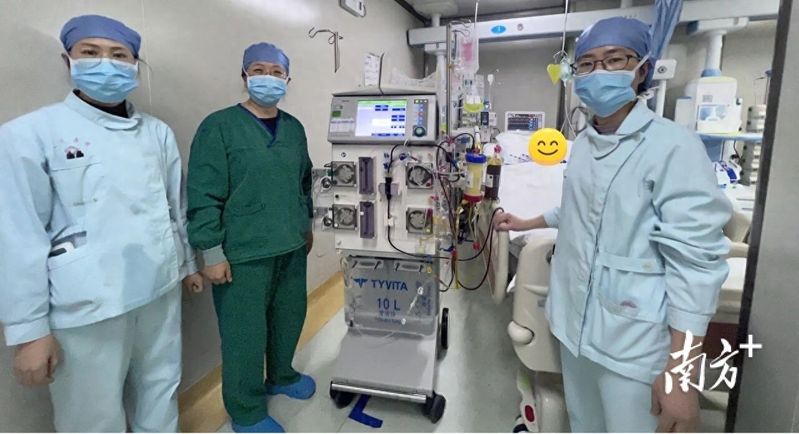
The first case of dual plasma molecule adsorption + plasma replacement (depmas + pe) was successfully carried out to treat a slow and acute liver failure patient. I'm a medical doctor
Mr. Wu, 52 years old, was admitted to hospital because of a fractured cirrhosis of the cirrhosis of the combined edible larvae and haemorrhagic shock. Hemorrhages are temporarily controlled through emergency rescues such as stomach lenses, liquid resuscitation and blood transfusions, but are followed by multiple organ functional failure, combining severe complications such as acute kidney failure, liver decay and heavy ards。
The patient's liver function is indicative of a sexual increase in cholesterol, total cholesterol 382. 35 mmol/l, direct cholesterol 241. 86 mmol/l, indirect cholercin 140. 49 mmol/l, signs of coagulation function examination, enzyme original time 19. 43s, international standardized ratio 2. 14, active partial cholesterol 47. 67s, pt activity 37. 87%, all of which point to severe liver impairment。
In the face of multiple organ failure, the icu team has adopted the crrt-dpmas and pe artificial liver combination programme, which has significantly improved patients ' condition. As a result of subsequent liver transplants, patients have been transferred to hospital no. 3 of the university of nakayama for further treatment, and there has been a marked improvement in liver function。
What's artificial liver technology
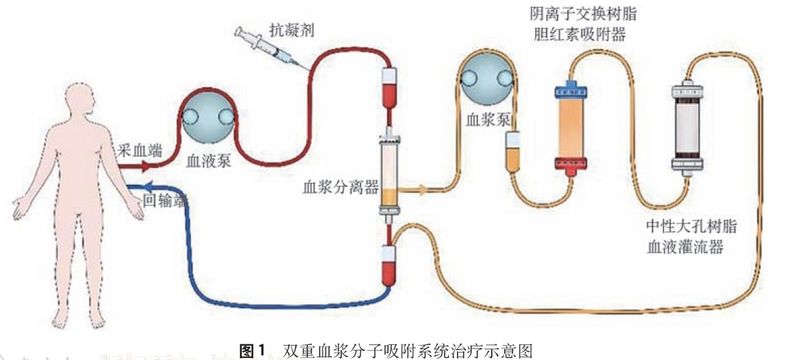
Artificial liver treatment is available in a variety of ways, including the dual plasma molecule adsorption system (dpmas), which is a front-line artificial liver support technology. The dpmas technique mainly extracts blood from the body through a blood pump, and the plasma separated by plasma separators passes in turn through two adsorbent columns (cholesterol adsorption, neutral large hole adsorption of resin blood drainers) and is adsorbed with toxins such as chlamydia, choline acid and inflammation factors in the plasma. After adsorption is completed, the purified plasma is mixed with physical components such as blood cells and is transferred back to the patient. The process is both precise in its removal of the target toxin and maximum preservation of human-friendly substances such as condensers, which are more safe and targeted。
Artificial liver is one of the main treatments for persons with liver failure and is a bridge for the most critical groups. Three main types of situations apply:
1. Acute or slow-onset acute liver failure: for example, acute viral hepatitis, outbreaks of drug poisoning, “stoppage” of the liver within a short period of time, and a dramatic accumulation of toxins, at which time artificial liver is a key life-saving tool。
2. Transition support prior to liver transplant: during the waiting period for finding a suitable source of liver, artificial liver can sustain the basic vital signs of the patient, prevent him from falling due to liver coma, severe infections or kidney failure, and ensure that he is able to walk to the operating table alive。
3. Incomplete early functioning after liver transplant: at this point, artificial liver can buy valuable time for recovery or anti-exclusion treatment of new livers。