When it comes to editing, a lot of people think about behind the scenes of movies and tv shows, but they don't know what to learn. In fact, the curriculum is a comprehensive subject that combines creativity, technology and culture. The curriculum is both theoretical and practical。
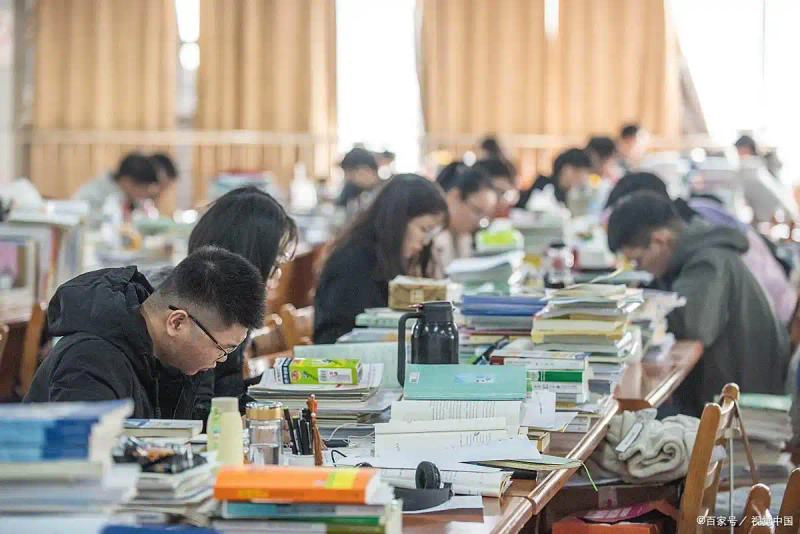
The basic theoretical course is firmly rooted in knowledge. Upon entering school, you will first be exposed to a number of basic courses to help you build an overall awareness of the film industry. The art review gives you an idea of the origins, classification and aesthetics of art and of why good video works can impress people; and the history of middle and foreign films, the history of radio and television, gives you a picture of the development of the film industry, from the classics of the silent film era to current media work, analysing creative styles and technological changes at different times. There is also the analysis of literary works, which fosters narrative thinking through reading novels, essays, dramas, etc. — and, after all, a good writer is first and foremost a “story master”。
Core creative lessons are used to practice combat skills. This part of the course is a “head-of-the-box” for professional production, directly related to future creative work. The scripts teach you how to write storylines, spectroscopy scripts, from character-setting to conflict situations, one step at a time, and the director's foundation focuses on field movement, for example, how to guide actors to perform, how to organize the lens, and even a simple conversation scene, can transmit different emotions through the lens。
Technical courses are also indispensable. Camera foundation gives you an idea of how the camera works, how the optical circle, the fast door, the focal length affects the image quality; video clip is a mandatory skill, from basic editing software to montagnard's techniques, to cut loose material into a smooth story -- - many students will be fully successful when they complete short clips on their own. There are also lights and recordings, which appear to affect quality perceptions, such as how to create a climate of suspicion with light and how to avoid noise during recording。
Speciality orientation courses expand the professional dimension. As learning progresses, the courses are broken down into different directions, such as video and video guides, television programming guides, documentaries, etc. If you focus on the direction of the film, you will learn from film director's post-video effects, and will study the narrative structure and visual effects of long films; if you are biased in the television field, the tv project's eclectic production will teach you how to design programming processes, control live rhythms, like familiar interview types, competitive shows, with a well-developed set of guiding logic behind them。
Practical courses to match industry needs. The compilation profession pays special attention to “doing”, and there are various practical projects from the beginning. The lower grades may start with short video production, school news production, familiarization with equipment and processes, while the upper grades are involved in short film creation, documentary filming and even simulation of the art festival catalogue. Many schools also organize internships for students at television stations and television stations, where they are involved in practical projects with their predecessors in the industry, such as bookings in theatres and recording the details of the film; and assisting with the production of the programme clippings on television, which rapidly enhances operational capabilities。
In addition, there are a number of optional courses available for selection on the basis of interest. New media content writing focuses on emerging areas such as short video and live broadcasting, and teaches you how to build the content of the billings with mind-writering; advertising creatives and design explores the creative logic of short commercial films and learns how to transmit brand messages over a limited period of time。
In general, the curriculum is like the "all-academic maker development package" that allows you to understand art, tell stories, operate equipment, control technology. After graduation, you may be able to write a script and carry a camera, and you may be able to do your work in front of a clipping table -- the "one-size-fits-all" feature, which is the charm of the profession。