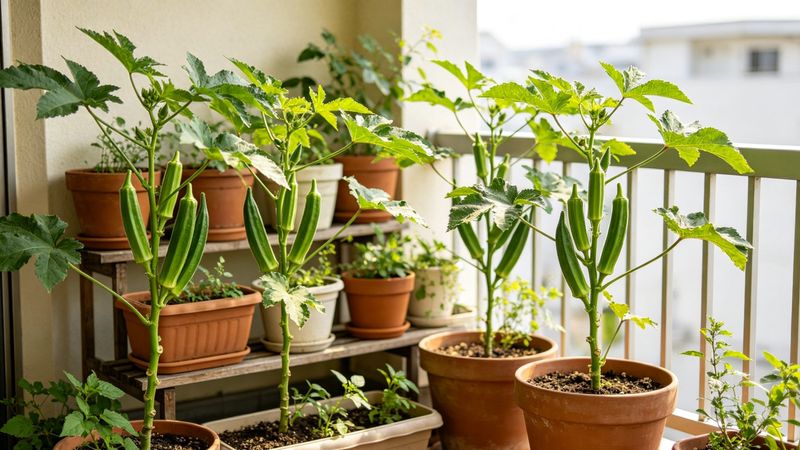
With the onset of the fall and winter, the weather is slowly turning cold and the huts are slowly running up. For both newcomers and pros, there are always many problems in the management of the sheds, which directly affect the production and quality of vegetables. So what are the measures that need to be taken to prevent and respond in advance
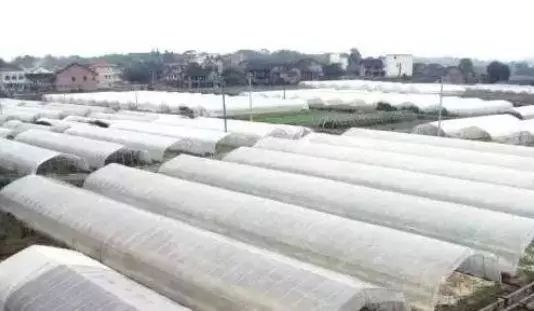
Why does the snow have to be lifted
Plants grow with and without photosynthetic and respiratory effects, which can only be performed with or without light. That is to say, during the day, while photocosm is used, it actually occurs。
During the daytime of the snowy weather, although there is no direct sunlight, there is still dispersing light, and plants can use these seemingly weak light for photocooperative purposes to sustain growth。
If the cotton is not removed or grass, there is no light in the shed, and there is no light for co-operation and only breathing. On the one hand, the nutrients stored in plants are reduced with respiratory effects, over a long period of time, the growth and resilience of plants are significantly reduced, their resistance to infestation is reduced and they are more susceptible to disease; on the other hand, the plants themselves have the habit of growing up in light, without light or light, leading to long fibers, which are prone not only to inversion but also to disease。
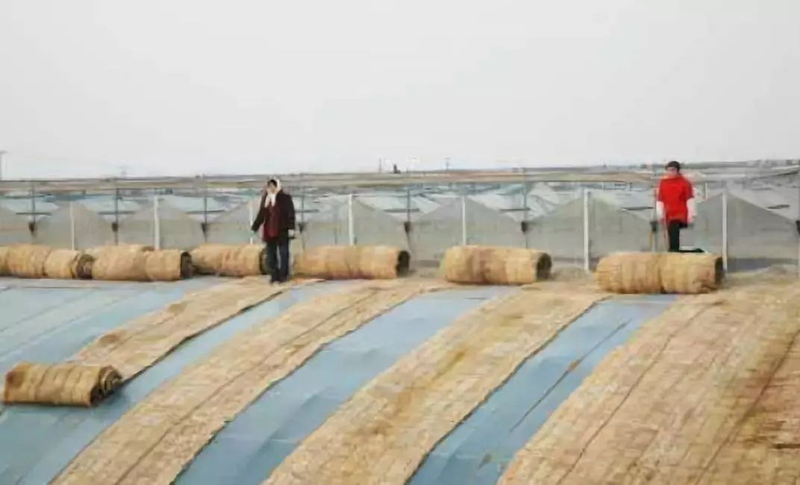
Therefore, in the middle of the day, in the middle of the day or in the light of the low snowfall, the cotton cover should be lifted as far as possible, and attention should be paid to cleaning up the snow cover of the shanty film。
2. Why prolong the light as much as possible
In theory, the longer the light takes, the more efficient it is, the more organic products are produced by crops, the higher the yield and quality。
In the northern winter, light is short, so it should be as long as possible。
As soon as the sun comes out, the cotton is unmasked or the grass is covered. Of course, given the temperature problem, it can be managed flexibly in time。
3. Why promote drip irrigation or underwater irrigation
The water in the soil, as a result of temperature and earth gravity, has always been a dynamic process。
Some of the water poured into the soil would sink, some would be absorbed by plants, water on the soil surface and water absorbed by plants would evaporate into the air, thereby increasing air moisture。
When water is poured out in the middle of a warm day morning, when the water is closed, the temperature of the sheds is raised, the evaporation of soil moisture is accelerated, the vent is opened, the water in the air of the sheds is scattered outside the sheds and the humidity of the air at night is not too high。
If water is poured in the middle of the day or afternoon, the temperature in the shed is lower, the soil moisture evaporates slowly, and the wind is not wet, resulting in high humidity of the air and more water drops on the surface of vegetable leaves, straws or fruit at night, and in the morning when the cotton is removed, when it is seen on the leaves or on the fruit, it feels beautiful, but this beauty can cause problems for the vegetables。
Many pathogens that live in the soil or in the air prefer water, which is the preferred habitat for these bacteria, and where aquatic bacteria breed more quickly and are more likely to enter plant organs through wounds or directly, leading to disease. The occurrence of diseases such as cucumber froste, cornea, asphyxia, tomato foetal, ulcer, marrow necrosis, etc., takes place in severe conditions of low-temperature weather and heavy humidity of indoor air。
This requires that the evaporation of water be avoided as much as possible when water is poured。
There are two specific measures, one of which is to water the sky and not in the afternoon. Watering in the clear mornings, higher temperatures in the sheds can lead to a faster evaporation of soil moisture, which can be discharged from the shed in a timely manner with the help of vent management, and high air moisture at night. However, this is related to the size and temperature of the water being poured at the time, and measures need to be taken to control it。
The second measure is to water small water and water or drip below membrane. One-time heavy water and more water evaporate into the air, especially when the temperature of the shed is low, and slow water evaporation takes a long time, inevitably leading to more water drops condensing on vegetable organs at night. Thus, in production, when water is required for the vegetable sheds during the winter season, it is required first to water the small or drip, and under the second membrane. This not only limits the proportion of water evaporation to air, but also makes it difficult to evaporate into air. It also allows better control of the humidity of the air in the shed and reduces the likelihood of disease。
Four. Why water
Under the existing cultivation patterns, crops absorb moisture from the soil through roots. Soils, in fact, are reservoirs where crops grow。
Therefore, when determining whether to water plants, it is important to look at the moisture of the soil. When you dig a piece of the soil, you find that the soil is made up of many large and small particles, with pores of varying sizes, where there are soil water solutions and soil air。
Water is a dynamic process in the soil, and water availability directly affects the growth of vegetables。
A specific numerical indicator is needed to measure the amount of moisture in the soil, i. E. The maximum water holding in the field。
While water is being poured into the soil, water is gradually increasing in the soil, and when water is abundant in all the soil holes, water continues to be pumped, and some of the excess water will sink down to groundwater with the attraction of the earth, or accumulates to depths, or spills into water sources such as rivers and lakes; water gathered on the surface (which is protected by large harvests of vegetables) will continue to evaporate into the air. When water is stopped, excessive water is gradually reduced down or up. To the extent that the soil is pore-filled with moisture, the amount of water in the soil is called the maximum water holding in the soil field。
In the case of sandy soil or border soil, the amount of water is squeezed by hand at a little force, at which point the amount of water is equivalent to 100 per cent; in a period of time, the water in the soil hole continues to decrease down or up, and the surface is slightly dry, when a piece of soil is taken into the ground, and the earth is taken into the ground into the ground, but the amount of water is not less than 50 per cent when there is no water, the earth is not spread out, the finger is stretched open, the earth is stretched to the chest, the soil is stretched to the point where the amount of water is between 85 and 95 per cent; if the soil is scattered, the amount of water is equal to 60 and 80 per cent; if the hand grabs the soil, the amount of water is scattered, the amount of which is less than 50 per cent; and if the hand grabs the soil is so hard, the amount of water is even lower。
Vegetables in shrunk season are sufficient for water holding in the field at 50 per cent or slightly lower; for vegetables at the beginning of the outcome, water holding in the field is required at more than 80 per cent, cucumbers are higher and tomatoes are slightly lower, and soil content should be higher at the peak of the result, at more than 90 per cent。
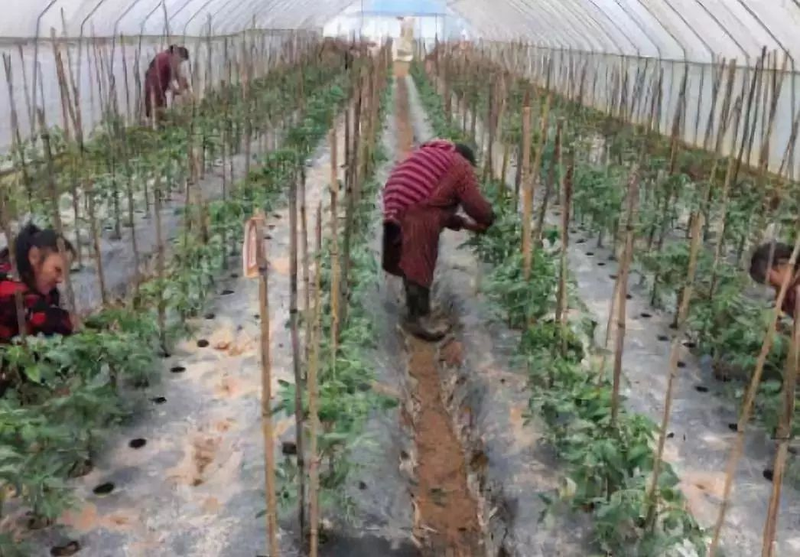
Why did you watch the seed water
Plants, although indispensable, sometimes demand for moisture during plant growth is more or less regular. In the management of vegetables, measures should be taken around this pattern of plants, and it is not appropriate to water them at will. In general, on the basis of sufficient bottom lumbers, there is a low demand for water during the seeding and later growth of vegetables and a high demand for water during the outcome period。
In production, a comprehensive assessment of whether or not to water vegetables is needed. That's what the sky looks like。
Let's see what you got. A seedling is referred to here as a plant of vegetables, not for a specific reproductive period. Whether it be cucumbers, tomatoes or even vegetables such as peppers, when the water supply is too high, it grows fast, leaves and straws are diluted and even yellow, chords are long and thin, leaves are large and thin, and the tip is higher than the lower leaves. On the contrary, when water is scarce, the leaves are thick and dark, their stem is short and thick, their tip is lower than the height of the leaves, and they are small. Specific performance, of course, is also related to water supply levels, temperature and nutritional conditions. For example, water is scarce at high temperatures, and the cucumber leaves show a focal point expression, i. E., the edge of the leaf is dry. Further development, when leaves atrophy occurs at noon; when nitrogen is abundant, more water will be poured, and the plant will have a thick appearance of leaves, long tubers, few or heavy flowers. When the soil is chronically overwatered and the temperature is low, the light root is red or brown, and the weight is no root or decay. If the soil is in a prolonged state of drought, the root system evolves from multiple roots to few and no roots。
Thus, the assessment of whether vegetables need to be watered depends on the period during which the vegetables grow, and the period during which the seedlings are to be treated as little as possible, but for greenhouse-planted vegetables, they are generally grown by large seedlings, which soon enter the flowering season and should be controlled with flexibility in water management. Most vegetables become sensitive to moisture before flowering, with special attention being paid to the fact that they require the largest amount of water during the festivities and that they need to control water in the later stages of the outcome and when the fruits change in color; the second depends on the specific performance of the vegetable plant, judged by the size of the plant, the colour of the leaf, the length of the penis and the root system. These judgements are also combined with a comprehensive analysis of vegetable varieties and their own characteristics, nutritional levels, temperature changes, etc。
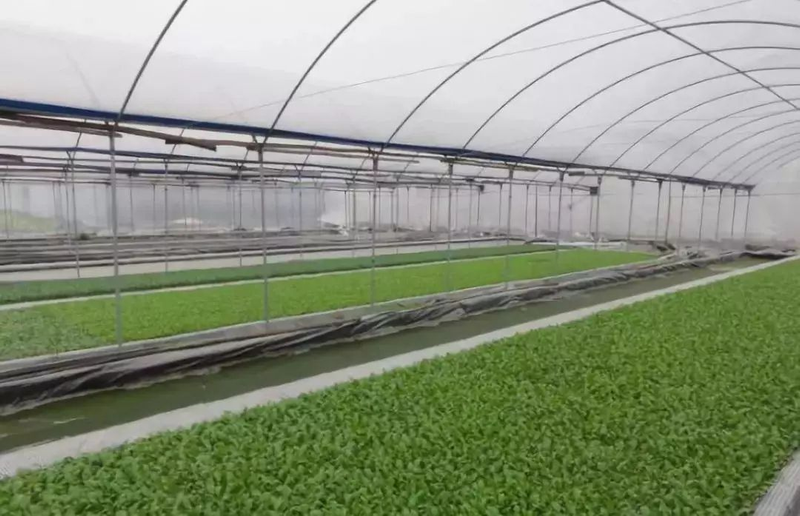
Why can't the surface tillage soil be diverted to the back wall when a large shed is being built
They are more economically efficient than open-field vegetables. Together with state policy support, a significant number of new vegetable sheds have been added each year throughout the country over the years。
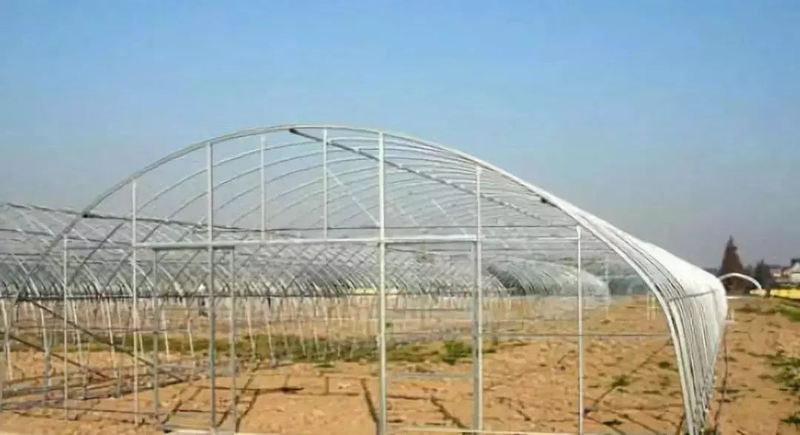
However, at the beginning of the construction of the sheds, a problem can easily arise, as the engineering teams that build the huts tend to dig up the former earth floors directly for the sake of economy and use them as rear walls. As a result, all of the soil in the sheds became unplanted。
Cultivated soils have been formed over many years of plant growth and management, with high levels of quick-activated potassium nitrogen phosphorus and micronutrients, a large variety of microorganisms in the soil and their number, and good water penetration and suitability for plant growth. On the contrary, the plants are growing, the food that they want is not adequate for their mouths, the permeability of the water and the fertilizer that is applied to the soil because of the small number of microorganisms that make it difficult to convert into a form that is easily absorbed by the roots in time. The end result is the planting of vegetables, which, because of their poor living environment, makes it difficult to grow new roots, with problems such as slow growth of plants and yellow leaves。
Therefore, when building new vegetable sheds, it is important to supervise the construction team and first move the surface tillage next to the shed, pending completion of the construction of the shed before returning the ground to the shed。