Oil tea, which is an important woody oil crop, not only has significant economic value, but also offers a wide range of development prospects in the market. This paper is intended to provide practitioners with comprehensive guidance on oil and tea cultivation and management, covering key aspects such as site selection, seeding, soil selection and rational planting, as well as specialized technical points such as periodic inspections, fertilisation, shearing, harvesting, forest management and breeding. At the same time, specific measures to combat oil and tea diseases and pests have been analysed in depth, with the aim of helping to improve the production and quality of oil and tea and contribute to the healthy development of the industry。
0. 11. Oil and tea cultivation and management
1. 1 plantation techniques
When growing oil and tea, local soil and climatic conditions need to be taken fully into account and appropriate planting and cultivation techniques selected accordingly. Through these measures, the healthy growth of oil tea can be ensured, thereby improving its production and quality。
Location and selection
The key to growing oil tea is site selection and seeding. In the process of growing oil and tea, site selection is crucial. Growers need to take full account of the demand for oil and tea and select suitable cultivation areas to provide them with a good growth environment. Since the tea is green and has a warm and chilling character, it must be selected in conjunction with local climatic conditions. Specifically, the tea prefers a well-soiled environment, so the selected areas should ensure adequate sunlight. At the same time, the slopes in the area of cultivation are moderate and are generally kept below 25° and above sea level between 100 m and 500 m. Furthermore, the moisture conditions in the region are important, and sites should be selected where the water is adequate and the irrigation system is well developed. Finally, consideration should be given to regional transport conditions to ensure follow-up management and easy harvesting. These conditions are met before large-scale oil and tea cultivation can take place。
Scientific selection is an essential part of the oil and tea process. Plantors should first select those oil and tea varieties that have been identified through national and provincial trials, thus ensuring their effectiveness. At the same time, the selection of suitable varieties, taking into account the specific circumstances of the place of cultivation, is crucial. In the guangxi region, for example, the tea varieties selected include zengsoon 3 and zengsoon 22. Ultimately, the oil and tea seeds selected should show a full appearance and not carry any disease。
Soil and layout
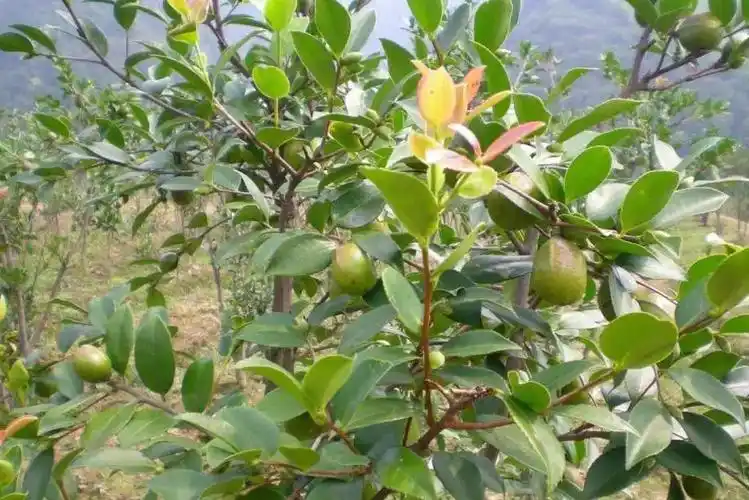
While there is no strict demand for soil fertility, oil and tea growth is closely related to soil conditions. To enhance the economic benefits of oil and tea cultivation, deep and fertile soil should be chosen, while soil ph should be kept within a suitable range of 4-6. In the process, the growers are required to develop a land rehabilitation programme based on local realities. For example, in areas with slopes of less than 15°, total land reclamation is often used, while in the range of slopes from 15° to 25°, a belt-based approach is appropriate. It is essential that bushes and weeds around the area under cultivation be removed before the whole land is cleared to ensure the healthy growth of oil tea. In the process of growing oil and tea, rational planting is key. As a rule, the planting distance per acre of oil and tea should be around 2. 5 metres, while the spacing needs to be adapted flexibly to the specific planting environment. To increase the efficiency of cultivation, the use of oil tea and other crop varieties could be considered. At the same time, scientific layouts can effectively reduce the probability of the occurrence of pests and diseases in growing areas。
1. 2 cultivation management
Oil tea, which is a part of the tea plant, is processed to extract precious fats. Such plants usually bloom in late october and bear fruit in october of the following year. Interestingly, in some areas, even the image of oily tea and fruit blooming at the same time. The excellent healing capacity of the tea and the strong demand for moisture and nutrients make it particularly strong in the warm and humid environment of the south. In mid-february each year, oil and tea began to recover, while march-april was a critical period for their roots to grow. It is worth noting that oil tea is an insect-based pollinator tree. Insects such as bees, megaphones and chinese bees are important agents of their pollination. During the period between mid-october and late december, the flowering of oil and tea continued, with november being a flowering period, at which time the best effect was to pollinate different flowers。
Regular inspections and scientific fertilization
Regular inspections are essential. In order to ensure healthy growth of oil and tea seedlings, it is recommended that fences be built around areas where oil and tea grow in order to prevent wild plant intrusion or livestock damage to plantations. At the same time, the growth of the trees should be regularly recorded and, in the event of damage to the trees, repairs or replacements should be undertaken immediately to ensure the overall quality of the oil and tea plantations。
In the process of growing oil and tea, rational fertilization is a key link. Growers need to develop scientific fertilization programmes to ensure that oil tea receives the necessary nutrient support. This involves determining the best timing of fertilization, such as increasing the application of quick-effect fertilizer in spring. At the same time, there is a need to carefully select and allocate the type and amount of fertilizer to ensure the science and effectiveness of fertilization, depending on the actual growth of the tea。
Cutting and harvesting
Proper cutting is an important technical measure in the management of oil and tea cultivation. It not only concerns the appearance of oil tea, but also directly affects the nutrient distribution and growth quality of the plant. We need to follow a number of key principles in the daily process of cutting. First, in order to distinguish between the age tree and the timing of its trimulation, young trees are usually trimmed in the spring, while the age tree is trimmed from november to december. Secondly, in triming the larvae, we should focus on retaining the side branches and ensuring that the main obstacles are removed in a timely manner in order to promote the healthy growth of the larvae. In the case of twigs, we usually combine winter and spring to replant the mountains and remove the large branches and the ants. By summer, it will be combined with chinese tillage management to trim long, lower and dead branches in order to increase the ventilation of oil tea and increase the production of flowers. In addition, trimped branches should be cleaned and burned in time to reduce the growth of pests and diseases。
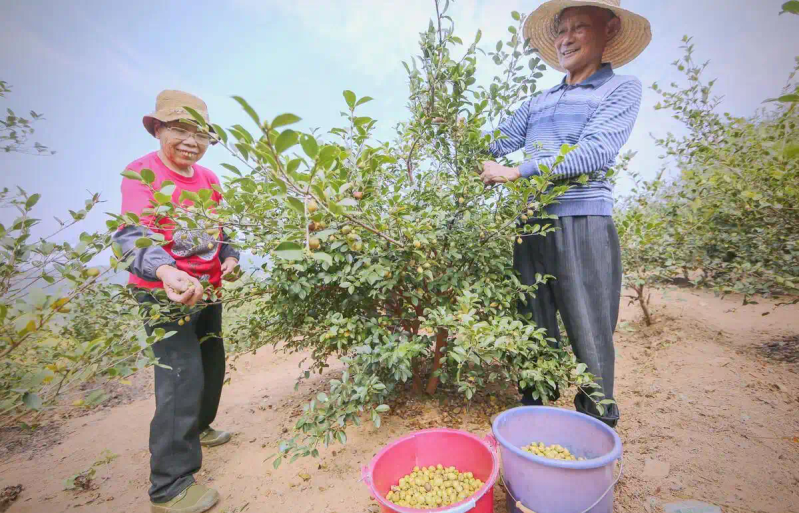
The management of the harvest of fruits is also essential in the process of growing oil and tea. It covers many aspects, including timing of harvest, post-harvest treatment and choice of storage environment. First, growers need precision in the timing of harvests, as premature or late harvests have a negative impact on the quality of oil and tea. For example, premature harvests can lead to lower oil production rates, while late harvests may result in the partial separation or release of tea nuts. Second, when harvest is completed, growers need to dry the fruit in a timely manner and ensure that the storage environment is ventilated and dry in order to maintain the good quality of the fruit。
Seng forest management and marriage
Forest management is an essential component in the production of oil and tea. It involves, inter alia, the protection of oil and tea roots, pre-plant preparation, inter-care choices and rational fertilization strategies. The period from november to march of the following year is a critical period for oil and tea plantations, at which time special emphasis needs to be placed on the protection of poor roots. It is recommended that slurry be used to reduce damage to the oil and tea root systems and that measures be taken to mitigate the effects of the environment on the root systems during day-to-day growth so as to ensure the health of the root systems and thus increase overall survival。
This technology can be effective in improving the production and quality of oil and tea cultivation and in promoting the sustainable development of the oil and tea industry. Adequate preparation, including selection of suitable logs and ears, as well as the preparation of necessary tools and materials, is required before marriage. During the marriage, care is taken to maintain the cleanness and humidity of the operating environment while ensuring a close connection between the ears and the wood. Upon completion of the marriage, there is also a need for careful management, including the timely detection of survival, pest control, etc., to ensure the success rate of the marriage。
Insect and pest control
2. 1 disease control
Soft rot and anthrax
Soft decomposition poses a serious threat to the production and quality of oil and tea. During the summer, the disease often erupts rapidly, leading to the fall of leaves in large areas of the oily tea forest within days, which, if not dealt with in a timely manner, may even cause the dead of the trees and devastating effects on the leaves and fruits. In the early stages of molluscing, yellow spots appear on the leaves, which, over time, gradually expand and become darker from light. Anthrax is the main disease facing the oily tea forest, caused by the adhesive anthrax. The disease, which was high between may and august, posed a serious threat to the leaves and fruits of the oil tea, causing widespread fallout。
The probability of molluscs occurring can increase significantly in environments such as rain, high planting density or poor management. There is therefore a need to work on a number of aspects of the prevention of soft corruption. First, during the nursery stage, growers should ensure good drainage and soil laxity in the nursery areas, while rationally controlling the planting density of oil tea in order to reduce the probability of an outbreak of soft decay. Second, oil and tea saplings are regularly trimmed, and once the branches are found, the stoves should be cleared immediately. During the winter, the frequency of inspections of oil and tea forests should be increased and the fruit and disease removed in a timely manner。
2. 2 pest control
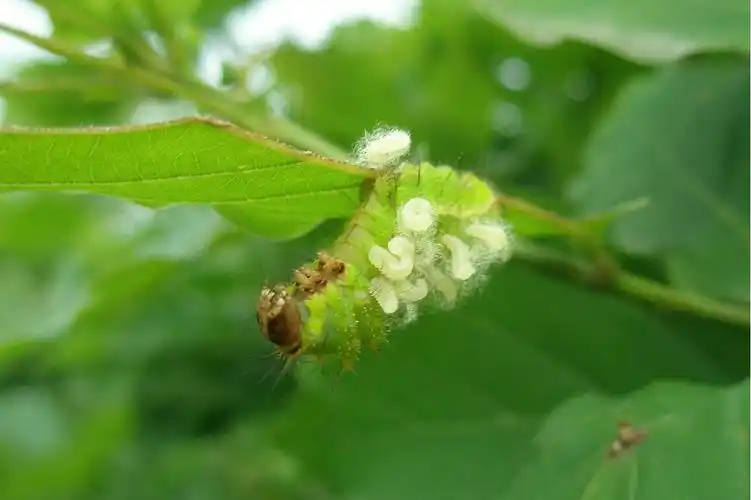
Blue-wing cattle, tea moths, termites, etc. Are common pests in oily tea forests. Once the moths are discovered, the planters should immediately trim the sick plant and recommend the use of the sourium fungus for preventive purposes, supported by insect-killing lamps and the lighting of the moths to focus on the eradication of such pests. For blue-wing cattle, treatment is mainly carried out using pyrethroids and organophosphorus. The control of termites suggests the use of food booby traps for integrated management. In addition, common pest control methods include the use of trichlorfon and specific agent spraying。
In the light of the above, detailed information is provided on the common pests in oil and tea forests and their methods of combating them. It is hoped that this information will help grower friends and inform their management of the oil and tea forests。