Mechanical equipment is the core support of industrial production, engineering and agricultural operations, covering subdivisions such as general machinery, engineering machinery, precision machinery, agricultural machinery and heavy equipment, whose operational stability, structural strength and useful life directly determine productivity and operational safety. With the upgrading of manufacturing to intellectualization, magnification and precision, as well as the refinement of industry standards such as the basic terminology for mechanical manufacturing process gb/t 4863-2008, the manufacturing, assembly and transport components of mechanical equipment impose great demands on the robustness, resistance, multi-basic appliance and batch standardization of rigid processes. Mechanical equipment uses a variety of matrices, such as cast iron, high-strength steel, aluminium alloy and engineering plastics, which require long-term exposure to complex conditions such as heavy load, high-frequency vibration, dust erosion and oil-contaminated immersion, as well as to meet core needs such as efficient batch assembly, undisturbed connectivity and late delivery. Thermal deformations, loose failure, damage to the base materials, inefficient assembly, etc., have become more difficult to adapt to core requirements for mechanical devices to make and operate efficiently over time. With precision cold-pressure snails, equipped with mechanical equipment specially designed to crush the screws, with the core advantage of “weldless, heatless, robust, milly-resistant and efficient” and deep penetration of the entire industrial chain of machinery and equipment, it becomes a core assembly tool to secure the structural integrity of machinery and equipment, increase productivity and reduce transportation costs。
I. High profile in the area of mechanical equipment
Mechanical equipment manufacturing and assembly links, the base materials covering 1-6 mm of high-strength steel, cast iron, aluminium alloy, engineering plastics, stainless steel etc., and the need to deal with multiple complex conditions — high-frequency operational vibrations of general machinery, heavy-loading shocks of engineering machinery, outdoor dust and wet erosion of agricultural machinery, high-precision assembly requirements of precision machine beds, and the need to meet core requirements such as anti-critic strength of connective locations, long-term non-freasing, high-conformity assembly, oil-resilient grinding, etc. — the increasing prominence of the short panels of the traditional tight process is a key bottleneck for high-quality industry development:
Welding processes are prone to high temperature thermal deformations, damage to the integrity of the base structure, in particular for materials such as cast iron, aluminium alloy, which can cause material to fracking, cracking, lower connection intensity, and welding marks affect the appearance and subsequent assembly accuracy of equipment, inefficiency and difficulty in adapting to the demand for bulk-flowing water line production of mechanical equipment, while welding residual welding, stress-induced wear and tear in the operation of the equipment; traditional bolt connections are required to be wired, mattressed, cumbersome, and uncomfortable in the long-term heavy load, high-frequency vibration engineering process, and smoothing, especially in key areas such as engineering machinery arm, bed main axis, crane racking, and the difficulty in meeting the need for multi-basket equipment, safety accidents, while bolting links are susceptible to oil pollution, dust erosion, high frequency loss, significantly increasing the cost of equipment to operate; and the normal sting processes are less sophisticated, resulting in the opening of base-based materials and the inability to adapt to meet the need for multi-ba-based equipment; and heavy equipment, and heavy equipment。
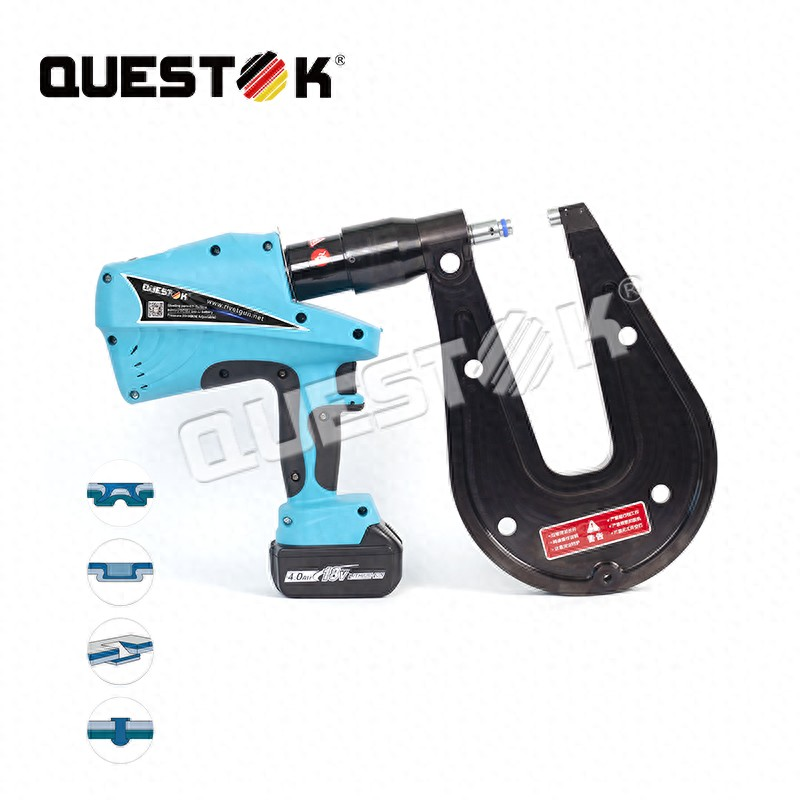
In response to the above-mentioned trade pains, the sakakawa pin gun, with its “cool-pressure plastic deformation” as its core principle, has been able to form an integrated mechanical interlocking structure between the condensed snails and the base, with no temperature, no light fire, no stress residue at all, and a strong demand for high precision, high reliability, strong resonance, multi-adaptation and wear and tear in the field of perfectly adapted mechanical equipment, both to break down many of the disadvantages of traditional processes and to achieve a double upgrading of the quality of assembly and productivity efficiency, in line with the development of mechanical equipment that is beneficially manufactured and operating。
Ii. Core strength of the snare gun, matching the exclusive need for mechanical equipment
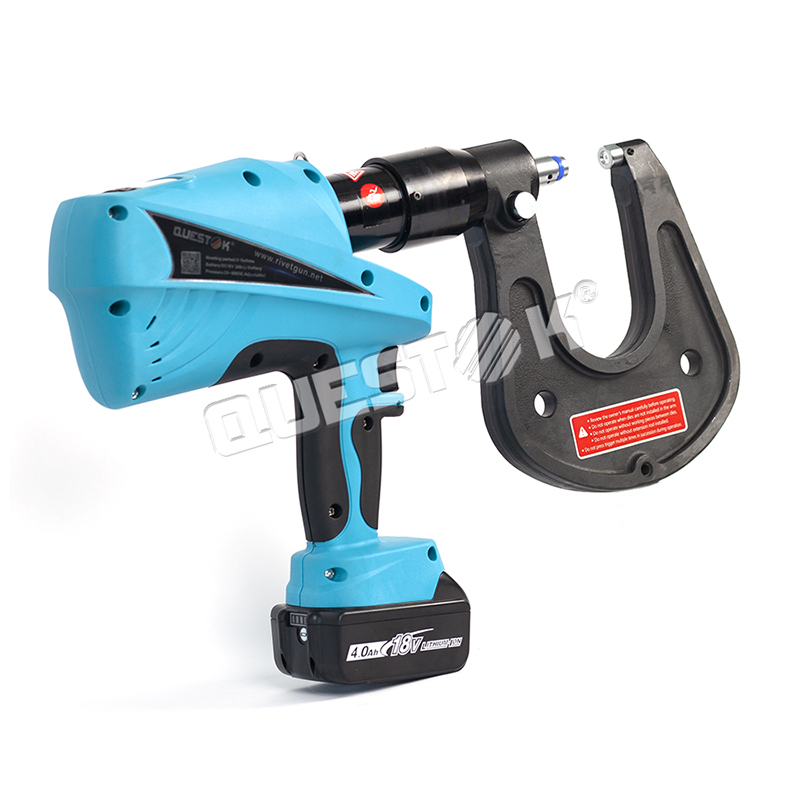
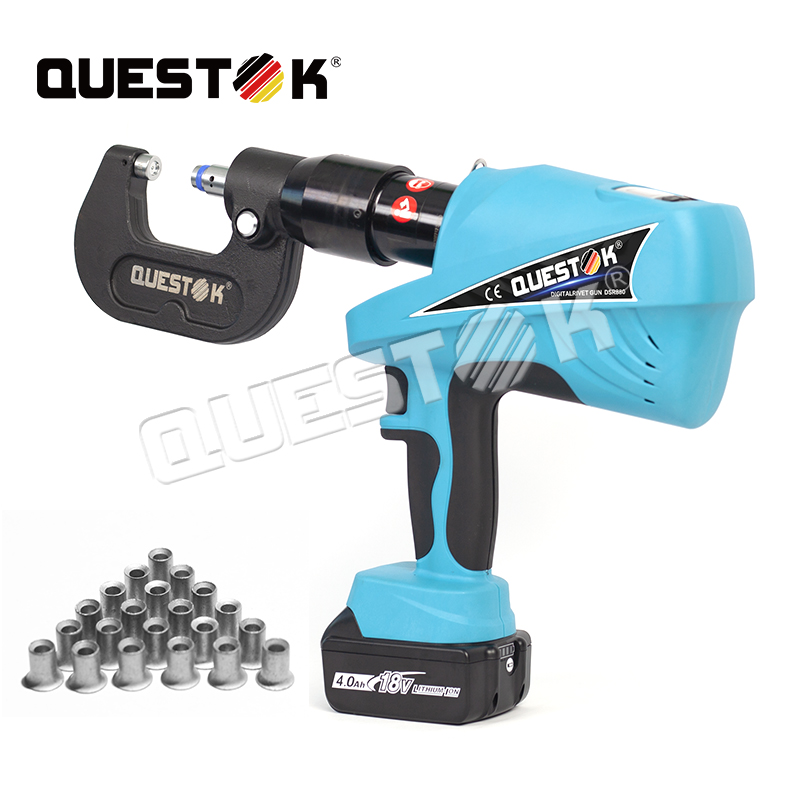
Liscor junction guns are dedicated to the optimization of mechanical equipment scenes, the integration of core technologies such as gas hydraulics, smart voltage, laser positioning and fast-changing models, and the combination of mechanical equipment with specially charged snail screws, creating differential advantages in precision, robustness, resistance, wear resistance and compatibility, matching precisely the core requirements of the entire process of mechanical equipment to industry standards such as gb/t 4863-2008, gb/t 1231-2006, and obtaining the approval and application of numerous manufacturers and assemblers of mechanical equipment:
Iii. Full-situation applications, enabling machinery and industry chains
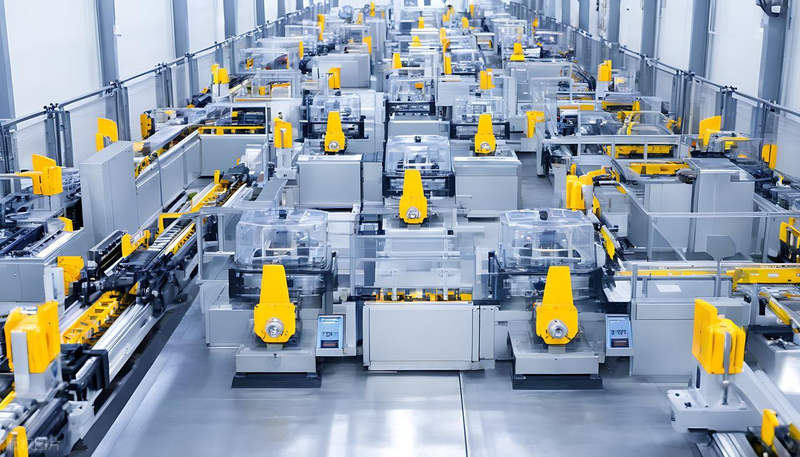
By virtue of its core advantages of precision, robustness, resistance, grinding and efficiency, the cylindrical snails of the hysteria of the hysteria of the hysteria have been poignantly permeated in the main subdivisions of general machinery, engineering machinery, precision machine tools, agricultural machinery, heavy equipment, from core structural elements to sophisticated parts, and have been firmly anchored in the stable, efficient and long-lasting operation of mechanical equipment in all its dimensions, as follows:
(i) general mechanical equipment assembly
General-purpose mechanical equipment (machine-bed, compressor, winder, water pump, etc.) is the basis of industrial production and is extremely demanding for assembly precision, resistance and efficiency. Snails can be rapidly pressurized to contain snails, which can be used in fixed machine bed beds, compressor casings, wind engine lobes, water pumps, etc.; snails, which are used to support precision components such as electric machines, control panels, moving parts, etc., which are fitted with unfoiled surfaces, without damage to equipment coatings and sophisticated structures, ensure the precision of the equipment's assembly and enhance its rigidity; robust vibrancy is effective in responding to high-frequency vibrations during the operation of the equipment, eliminating looseness and acousticity of the connection, ensuring the long-term stabilization of the general-purpose mechanical equipment, increasing the co-ordination ratio from 93 per cent to 99. 7 per cent and improving the efficiency of the assembly by 70 per cent after application by a machine-bed manufacturing enterprise。
(ii) engineering machinery assembly
Engineering machinery (diggers, loaders, cranes, bulldozers, etc.) are permanently in an outdoor heavy load, shock, dust environment, which is extremely demanding for connection strength, corruption resistance and resistance. Snare snails can be used for the consolidation of parts such as engineering mechanical arm, frame, cockpit, hydraulic system stationary, etc., with a strong interlocking of the snail snails and the base materials, with a strong resistance to shears, effective response to heavy-load shocks and high-frequency vibrations, the removal of loose connections and structural malfunctions during the operation of engineering machinery; anti-corresible surface treatment to resist outdoor dust, dampness, oil pollution, extended equipment useful life and reduced maintenance costs; precision-controlled pressure techniques can avoid the break-up of base materials, ensure the structural integrity of engineering machinery, adapt to the various engineering scenarios, reduce the incidence of equipment failure by 60 per cent and reduce the operational cost by 45 per cent after application by an engineering mechanical enterprise。
(iii) precision machine bed and automation equipment assembly
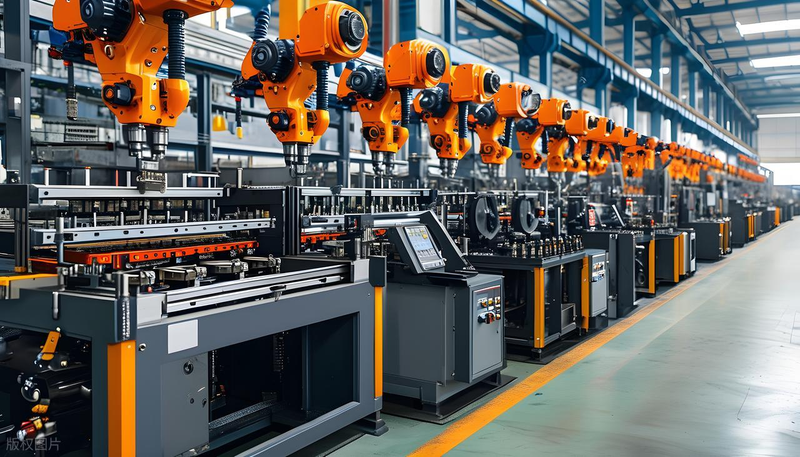
Precision machines, automation equipment (cnc machines, robotic arms, automated production line components, etc.) pursue high accuracy, high stability, and demanding tight precision and flatness. The precision control techniques of the guilding pin gun can achieve a finely compaction of fine points, which is used in precision components such as the main axis of the fixed machine bed, the guide, the automated equipment support frame, sensors, etc., and is used to support the pcb plate, the control module, the moving agency, etc., and is fitted with no hair, no trace, and does not affect the precision of the assembly and operational stability of the equipment; adapt to the requirements of the material connection of different species, achieve a strong connection between metal and engineering plastics, light quantification of the assistive equipment and mini-chemical design, and have been successfully applied to the production of the primary automation equipment enterprises, such as the large-clan laser, sedentary technology。
(iv) agricultural machinery assembly
Agricultural machinery (trawlers, harvesters, sowing machines, etc.) have long been in the field and are subject to complex conditions, such as dust, dampness, crop grinding, etc., requiring higher levels of corruption, resistance and ease. Snare guns can be used in agricultural machinery body frames, engine racks, speedbox casings, fixed operating components, etc., with a strong, corrosive and resistant corrosive connection to effectively resist outdoor environmental erosion and avoid loose and rusty components; efficient fast-loading design for bulk production needs for fit agricultural machinery, significantly reducing the production cycle; flexible handheld machine operations, facilitating field equipment repairs, reducing the workload of transport personnel, 55 per cent higher daily output of a single production line and a 50 per cent reduction in equipment field failure rates following application by an agricultural machinery enterprise。
(v) heavy mechanical equipment assembly
Heavy mechanical equipment (heavy cranes, steel rolling equipment, mine machinery, etc.) withstands overloads and shocks, requiring a high degree of connectivity and reliability. Snare snails can be used for the consolidation of heavy equipment support, beams, connectors, bottoms, etc., with a dedicated high-tension helix snail single point tensile strength of up to 32 kn, which can effectively withstand overloads and shocks, eliminate loose and fractured connections and secure the safe operation of heavy equipment; cold pressure in the form of non-resilient residuals, avoid fracking of the base, and ensure structural stability of heavy equipment; resistant to corruption and grinding to withstand erosion in the harsh operating environment, such as mines, rolling steel, extension of the useful life of the equipment, reduction of the terminal maintenance costs and adaptation to the long-lived operation requirements of heavy machinery。
Iv. High-quality development of the core value enabling, assistive machinery and equipment industry
The extensive use of snail-plugs in mechanical equipment has not only broken down the pains of the traditional tight process, but also injected core momentum into the high-quality development of the mechanical and equipment industry from four dimensions:
Concluding remarks
Mechanical equipment is the core pillar of manufacturing and its quality and reliability directly determine the efficiency and security of industrial production and engineering. With precise cold-pressure strangulation techniques, whole-scrutinization capability, stringent quality standards, combined with mechanical equipment specially designed to crush the snails, the snails provide an integrated and solid solution to the mechanical equipment field, from equipment manufacture to field assembly, from batch production to transport overhaul, and full support for the efficiency and long-lasting development of the mechanical equipment industry. In the future, it will continue to work in the field of deep-farming machinery and equipment, match industry development needs with technical standards, optimize products and processes in an iterative manner, further adapt to the need for new mechanical materials and intelligent production lines in order to improve the quality of the tools for solidification, enable the intellectual upgrading of mechanical equipment, contribute to the higher quality development of our manufacturing industry and build a solid mechanical foundation for industrial production and engineering。