The following is a case of using stm32 to control the content of the led array. The case was developed using stm32cubeide, using the stm32f4 series development boards。
First, we need to prepare the following hardware materials:
Stm32f4 board led dot-form module du pont line
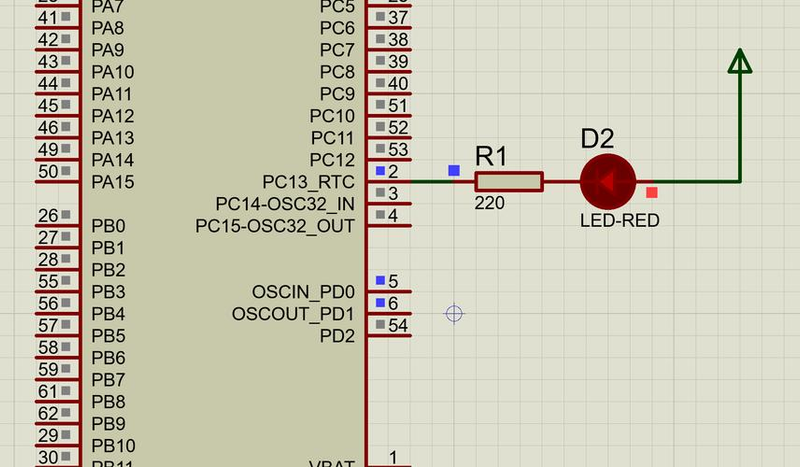
Next, we need to take the following steps:
Creates a new stm32cubeide project in stm32cubeide, select "file"-> "new"-> "stm32 project" and then configure it with the wizard. Select the appropriate stm32f4 series chip in the "select office " , then enter the project name in the "projectname " and then click "finish " to create the item。
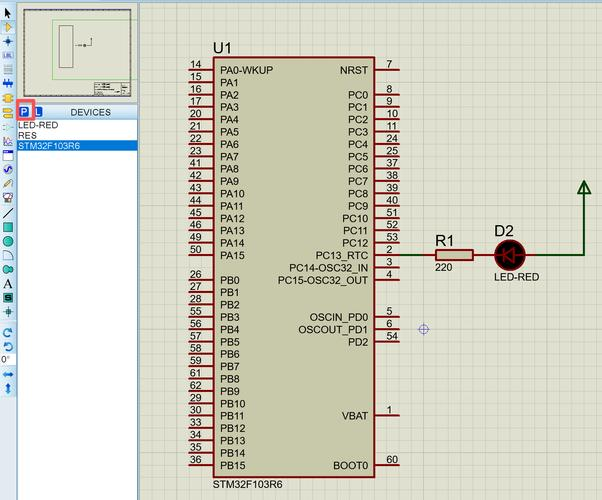
Configure gpio inducements in stm32cubeide's "pinout & construction" view, select the appropriate gpio guide and configure it as an output mode and set it as a high-speed push output mode。
Configure the clock in stm32cubeide's “clock regulation” view with the appropriate clock source and frequency。
Write code create a new c file and add the following code:
"stm32f4x. H"
// define the number of rows and columns for led lines
#definine row count8
#definine col count8
// define led-point array data
uint8 t ledmatrixdata [row count] = {0xff, 0xff, 0xff, 0xff, 0xff, 0xff, 0xff, 0xff};
/ gpio quote definition
#define gpio port gpioa
#definine gpio pin gpio pin 0
/ / initialization of gps tabulation
void initgpio (void)
other organiser
other organiser
/ open gps clock
hal rcc gpioa clk enable();
// configure gpio boots
gpio initstruct. Pin =gpio pin;
gpio initstruct. Mode = gpio mode output pp;
gpio initstruct. Pull =gpio pullup;
gpio initstruct. Speed =gpio speed freq high;
hal gpio init (gpio port, & gpio initstruct);
♪ i'm sorry ♪
// control led point array display
void displayledmatrix (void)
other organiser
= 0; col
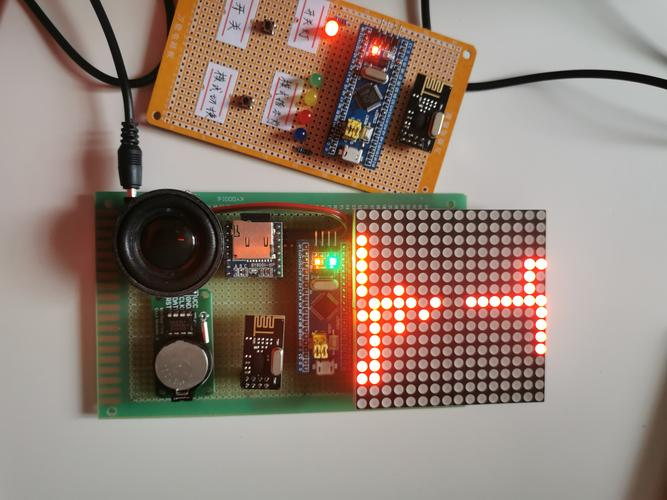
Compile and burn the program by clicking the "build " button on stm32cubeide, then connecting to the stm32f4 development board and burning by clicking on the " run " button。
To connect led-point-form modules to gpio and provide power to development boards. Led dot arrays will show the predefined content. You can change the content by changing the values in the ledmatrixdata array according to your needs。
The above is an example of a code using stm32 to control led arrays. You can modify and expand the code according to your needs. Note that this is only a basic example of controlling the display of led points by controlling the gps lead state. In practical applications, you may need to adapt and adjust to specific led-based modules。