


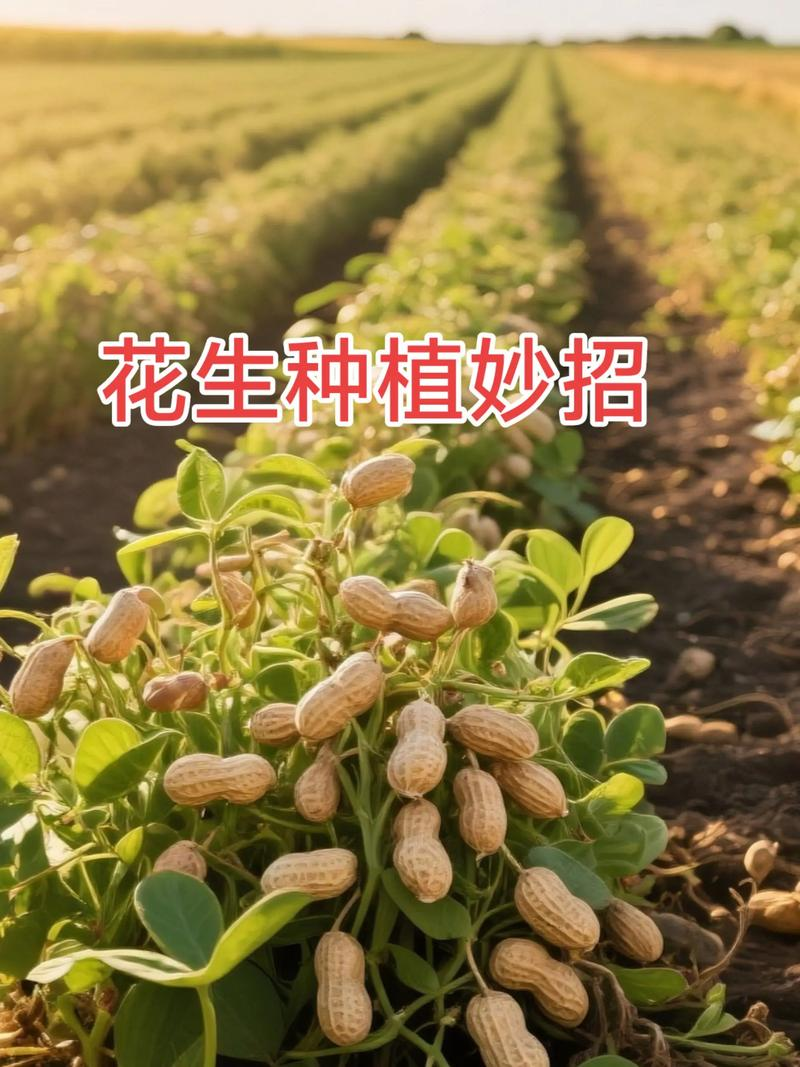
Ammonium molyte blends. Before seeding, 2 grams of ammonium molyte per 0. 5 kg peanut seed, a small amount of hot water is used to dissolve ammonium molyte and then a 1% concentration solution is diluted with cold water before seeding can occur for 3-4 hours. This law has contributed to an increase in the number of peanut root tumors, an increase in the number of plant-planted individuals and an increase in the production of peanuts by 11-20 per cent. Drumb seed. The seed is immersed in hot water at 30°c for three hours, it is taken out on an old cloth in a basket, rinsed once at 30°c at intervals of three to five hours, and seeded 24 hours after it sprouts, allowing peanuts to grow and grow by about 15%. Cultivation. It can save about half of the seedlings and reduce the shortage of seedlings, as well as the membrane and labour. This is done by seeding first on the bed, with seeds around 3 cm apart. When seeded, it is covered with grasswood ash and dung, and it is then mounted on an archer, which is three centimetres tall. When leaves grow, care is taken to water and when temperatures are high, appropriate ventilated ventilation cools. 3-4 days before planting. The seedlings of 3-4 saplings and one pair of side leaves are grown when they are grown, with two leaves per lavender showing soil and water. Increasing output by 10-30 per cent. Prevention of master. Artificial and chemical regulation of fields with more fertile soil, more nitrogen-intensive, more dense, pre-rained feet, and more dynamic fields should be carried out to control branches within 35 cm and form productive groups. In general, 100 grams of condenser-to-water, or 150 ppm of multi-activated fumes, are used during the first flower period to effectively control the boom, shorten the noose and increase the sit-in and saturation rates by 15-25 per cent. Increased calcium fertilizer. Peanuts are sulfur crops for hectic demand, requiring large amounts of calcium nutrients, especially during the maturity period. As a result, 20-30 kg of plaster powder was applied to soil acres with calcium or sulphur deficiency, which facilitated the formation of peanut shells and increased saturation rates. Buried fruit. When a large number of peanut needles enter the soil, some of them are hard to find, such as grafting them in the middle of the business and then rubbing them with their hands around the seedlings, increasing the rate of sit-in and saturation and producing about 15 per cent more. Remove the principal. The groundnuts cut off their main tubers and left their two-to-side branches. According to the experiment, the acre production was increased by 9-12 per cent。



