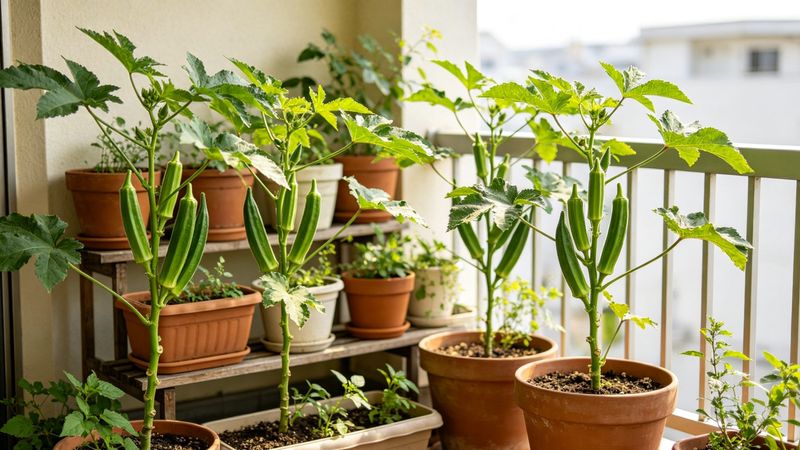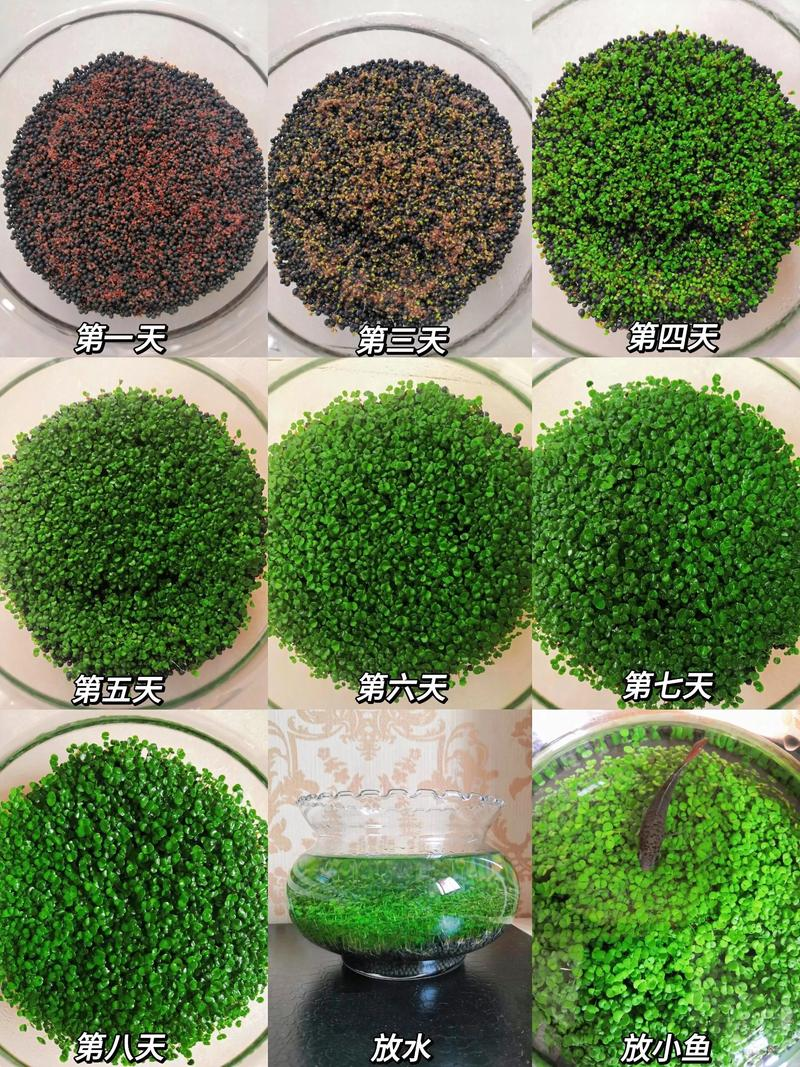
The conservation of aquatic plants is mainly water management, and sedimentation, floating water and leafy plants cannot leave the water for long periods of time, from seedling to planting, especially during hot summers, when the trees are transported in a way that is cooling and humid, ensuring that plants are humid, so that they are pumped first, then planted. If water cannot be poured in time, the planting can only be postponed. Plumbing and humid plants are cultivated in a timely manner, and if the water system is unable to do so in a timely manner, water is often poured to keep the soil saturated. In the case of aquatic plants, principles must be in place to enable them to grow well. Daily: most aquatic plants require adequate sunlight, especially for long periods (i. E. Between april and october of each year), such as low sunlight exposures, which can lead to long, small and thin leaves and no flowers. Land use: plantation of other types of aquatic plants, other than drifting plants, with organic adhesives such as soil and pond mud massed soil is made of subsoil, covering 1*** square centimetres of rough sand in the surface, which prevents water mixing from being poured or shaken. 3. Fertilizers: with oil, bone powder and jade fat as the base, approximately four or five jade fats will be put in the corner of the container, and plants on the waterside will not require base fat. Fertilizers are replaced by chemical fertilizers in order to avoid contamination of water quality and use 10 times less than normal plants. Water level: aquatic plants vary according to their growth habits and requirements for water depth. Floating plants are the simplest, with sufficient water depth to float them; water-sink plants must be taller than plantations, so that the leaves can extend naturally. Watery plants maintain a moist soil and a slight water accumulation. Aqueous plants are expected to rise above the surface by maintaining a depth of about 50 centimetres*** per metre. Plumbing plants are more troublesome, and water levels need to be adjusted to the length of the truncheon, so that leaves are in a natural state. Library 5, separatism: if a variety of aquatic plants are planted in the same pool, the fast-growing species must be removed from time to time in order not to overwhelm the water, affecting the growth of the sleeping lotus or other water-dwelling plants; when the floating plant is too large, the leaves must also be separated from each other. 6 water exchange: in order to avoid mosquito breeding or deterioration of water quality, when water is used in a state of confusion, it is necessary to change water and the number of times it is exchanged in summer。