Garlic is a common veggie on the table, and many families grow some garlic every year. The cultivation of garlic, like the cultivation of other vegetables, is dependent on fertilizers, which are the key to the growth and production of garlic, which, in order to grow well and produce well, is the highest priority for the application of fertilizers, which, in addition to the use of bottom fertilizers, must be properly followed up. So, why don't you give the garlic some urea or some compound fat? Or some other fertilizer? Let's talk today about some of the tricks that fertilizer garlic。
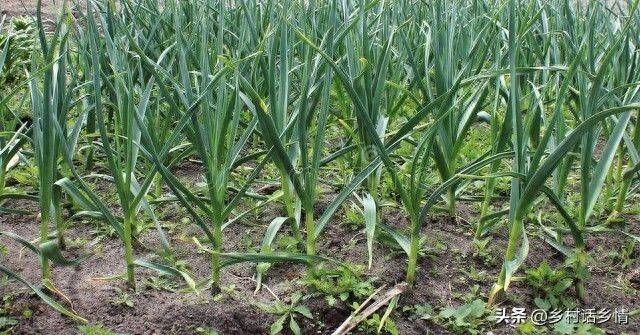
Garlic is generally grown with bottom fat, such as fermented chicken dung, pig dung, bean cake, etc., mixed fats, etc., or with fewer or no bottom fertilizers used in planting, so it is necessary to have proper fatting once the garlic is grown, even though it is mainly supplied with garlic mother to feed during seeding, but it is not possible without fertilizer, and if it is missing, it can easily lead to yellow, dry tipping and poor growth. Therefore, proper fertilization of garlic is key to ensuring that garlic is robust。
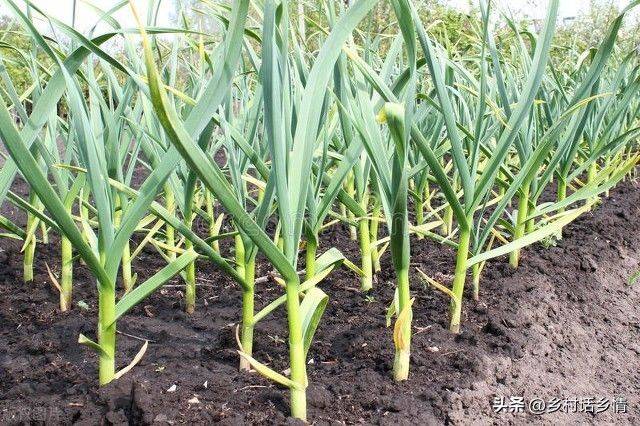
Garlic can be followed up once from seedlings to winter. Nitrogen fertilizer is growing fat, especially during seeding periods. A reasonable supplement to nitrogen fertilizer can make the seedling grow well. But when it comes to the application of nitrogen, it can be matched with a modest amount of potassium fat, which allows the seedling to grow strong and flourish. We can choose urea, and potassium fat can choose potassium sulphate, with three urea combined with a potassium sulphate chase, or directly with high nitrogen compound fertilizer. Fertilizer is best pursued in the middle of two rows of garlic, and if it covers the membranes, it can be applied in the eye 6-8 cm from the garlic root。
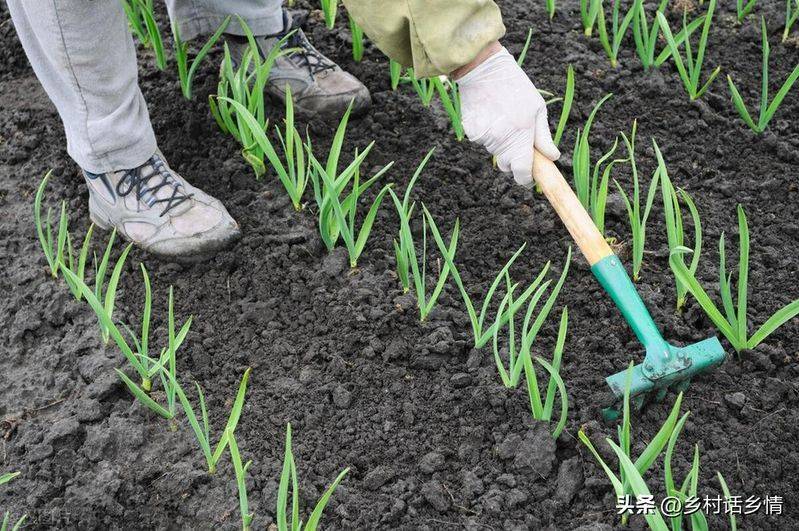
If bottom fertilizers are fully used in the planting of garlic, they may not be applied until winter, and if bottom fertilizers are underused or not applied, they can be followed up once after seeding. By the time the garlic returns to the chrysanthemum in the spring of next year, there will be no shortage of potassium nitrophos-phosphate, and the proportion of demand for potassium nitrogen is approximately 1:0. 3:0. 9 for the garlic development and expansion period. So we can use a combination of urea, calcium perphosphate and potassium sulphate. Of course, organic fertilizers can also be followed, but the pursuit of organic fermented organic fermentation must be based on high-quality organic fermented fertilizers, such as chicken dung, pig dung, bean cake and so forth, depending on their circumstances。
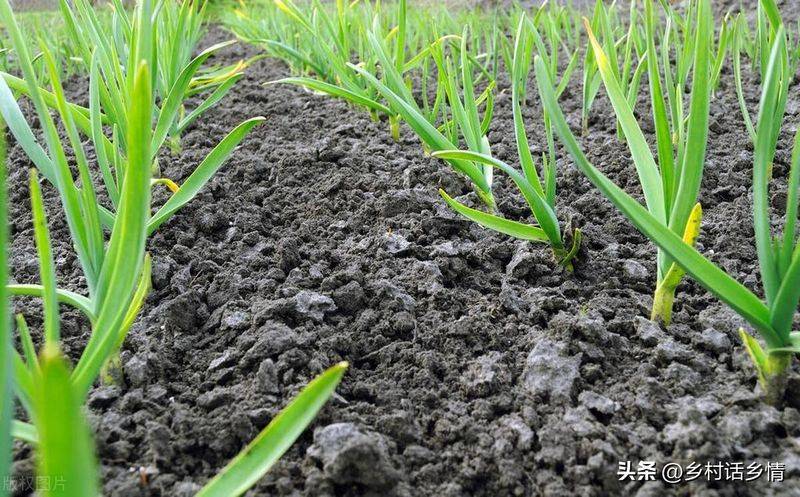
In addition to bottom and rational pursuit of fat, the cultivation of garlic is also very important, and the benefits of leaf spraying are many, first, to protect the leaves and prevent the early decay of seedlings. Secondly, it allows for rapid absorption and fills the underlying absorption gap. Thirdly, root diseases can also be prevented and reduced. Fourth, it also enhances the resistance of seedlings to low temperatures. The most common is potassium phosphate, esters, esters, etc., which can be used alone or in combination. In general, one before winter and one after spring when it returns to chrysanthemum, can only be sprayed once more during the garlic boom。
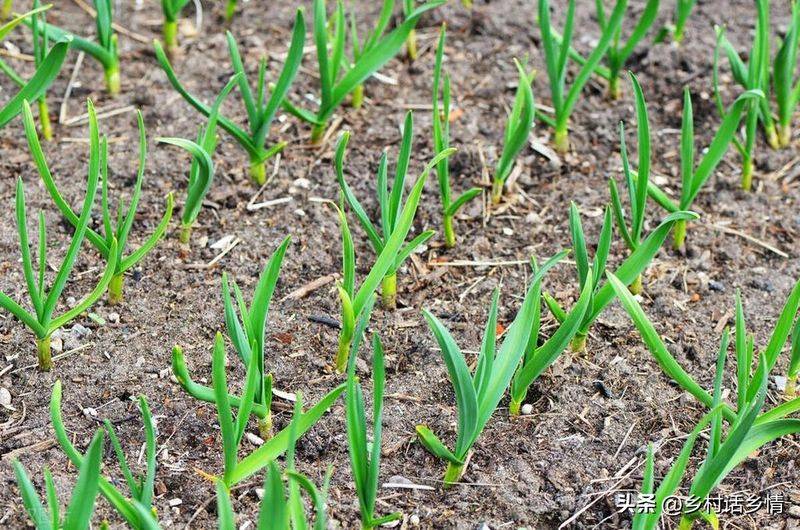
It is better to get fat for garlic or for other vegetables, to be careful about the timing and methods of catching fat, not to say when to chase it, and to decide and adjust to garlic trends and soil fertility. Fertilizers are not as good as they are, cannot be over-utilized at once, need to be applied repeatedly and adjusted as they grow. For example, more organic fertilizer can be used during the seeding season, more nitrogen fertilizer can be used, less potassium phosphorus fertilizer can be used, and, in the case of garlic growth and expansion, less nitrogen fertilizer can be used to increase potassium fat so that we can produce good harvests。
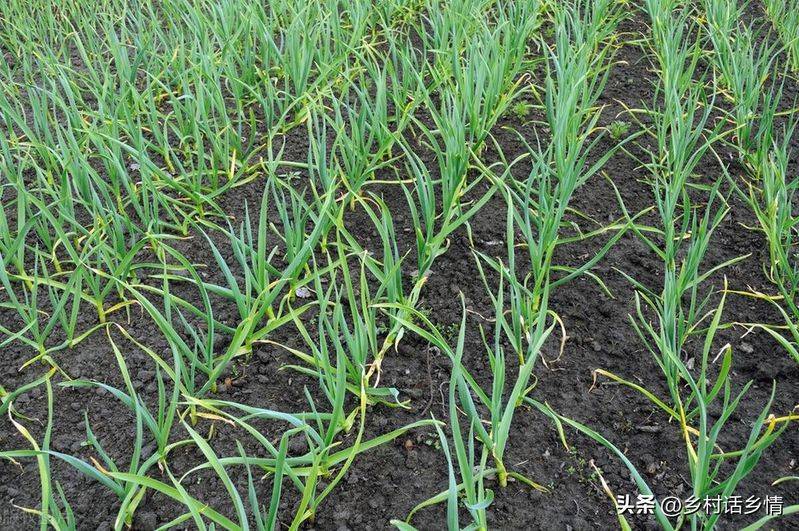
In short, there is no fixed pattern of fertilization of garlic, and everything needs to be adapted flexibly to specific circumstances, such as longness and soil。