In the supermarket, you may have seen vegetables with organic "green" labels at a much higher price than ordinary vegetables. But do you know where they are
There is a demonstration base in the qin province of xinlongan county. Here, at 800 to 1,200 metres above sea level, air quality days reached 350 days last year, water is a national standard and the soil is naturally rich in selenium. But it's not just these natural endowments that make the vegetables here truly “sure”. The assistant secretary-general of the liu yi community party introduced: “the criteria for the production of foods are consistent with our modern quest for a healthy quality of life”. A quality control system called the “three controls and three tests” is their “pyramid”。
So, what's the three controls and three tests standard? What are the “levels” to go through from seeds to tables
Triple: getting bugs lost, getting hormones laid off
The first level of planting is pest control, drug control, hormone control. In traditional cultivation, these three types are often “unmanageable” — the insects come to the foretell, grow slowly with hormones, and in the long run the residue becomes a hazard。
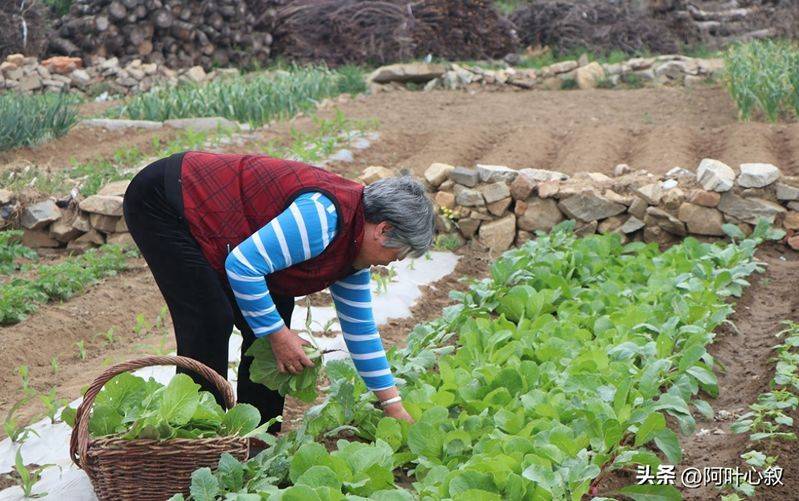
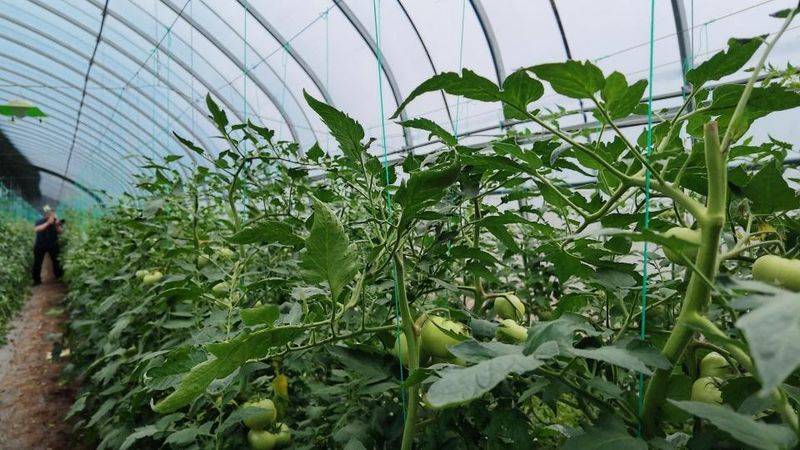
Ronan's approach is interesting. Instead of giving priority to chemical pesticides, they planted mints on both sides of the shed. The smell of mint has a natural evasive effect on many pests. Combined with the physical booby traps of deworming lamps, chemical agents were minimized. “we rarely use chemical fertilizers, nor do we use chemical agents for deworming.”
As for fertilizer, lonan is following the path of waste to treasure. There are two local enterprises — the weilo dairy and european rabbit industries, which produce cow and rabbit dung and are fully fermented and turn into high-quality organic base fat. Day-to-day fertilization is followed by an integrated water fermentation system: liquid faeces, after full fermentation, are automatically proportional to water and are accurately transported to the root of each crop. The cycle of “septic organic fatty vegetables” is both environmentally friendly and healthy。
The use of hormones is strictly regulated. In ronan's planting standards, the natural growth and maturity of vegetables is a prerequisite for “assurance”. In his presentation, wang xian, the heart of the food is the “3 by 3” standard, which controls pests, pesticides and hormone use and reduces residues. The ultimate objective of the three controls is not to eliminate all risks, but to minimize residues from source。
Three tests: from environment to residue, each level is “examining”
If “three controls” are the “self-regulatory” of the production process, the “three tests” are the “others” that run through。
To be marketed, ronan vegetables must be tested in three ways: the environment, residues and quality. Environmental testing ensures continuous compliance with standards for soil, water and air; residual testing screens for harmful substances such as pesticides and heavy metals; and quality testing assesses such indicators as taste, nutrition, appearance, etc。
It may sound a little cumbersome, but it's the kind of “no trouble” that gives every vegetable out of the garden an “identity card”. Wang ivan said, “we make a difference through strict standards of control. The target customer is the person who focuses on healthy food.” this transparent and traceable quality system is in itself the most persuasive in the immediate aftermath of food safety incidents。
The test is not "scrutinizing" but a regularized operation. Quality screening centres have been built at the park, from soil to finished products, and are regularly sampled and analysed. In the words of the locals, “let the people enjoy a life of comfort, comfort and comfort”
Three standards: standardization is not a “flow line”, but a “backline”
Control and detection are not enough. Standards must be established to make food truly “replicable” “sustainable”。
The “three standards” for lonan include standardized management, standardized fertilization, and standardized packaging. Standardized management refers to the production of seedlings, planting, watering, fatting and harvesting, each of which has clear operational norms. Standardized fertilization is the precise control of the type and use of organic fertilizer, based on the long-term pattern of fertilisation in different crops. Standardised packaging to ensure that vegetables are not subject to secondary contamination and that the products are uniform during their journey from field to shelf。
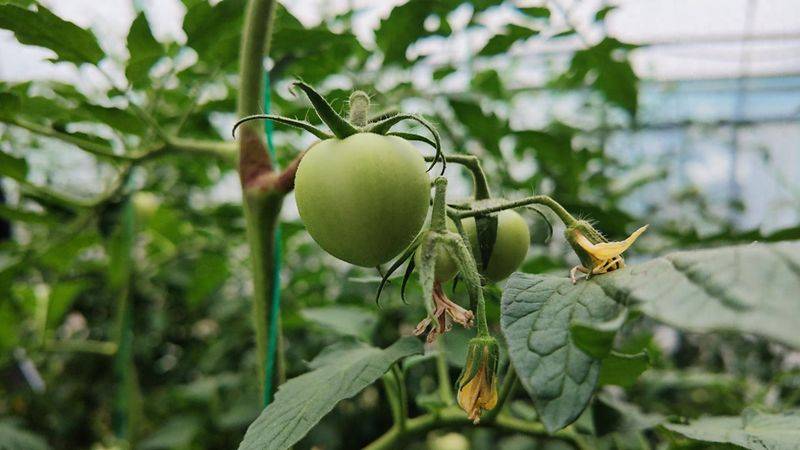
In the case of plant density, the spacing of tomatoes is significant. The king explained: “the plant also needs a control distance, which can lead to a decline in yields, nutrition can take nutrients and so cannot be too dense. Once too rare, nutrients in the land are wasted.” it is precisely this finely standardized management that gives both production and quality。
In the selection of varieties, lornam has grown high-value-added varieties such as sweet tomatoes, tomatoes from provence, powder, fruit cucumbers, bebed pumpkins and kale. In the case of sugar, for example, 108, it has a taste of powder, unlike the “jellow sense” of a common tomato; the fruit cucumber surface is smooth and tastes free. These features are both the result of standardized management and the reason why consumers are willing to pay for their “priorities”。
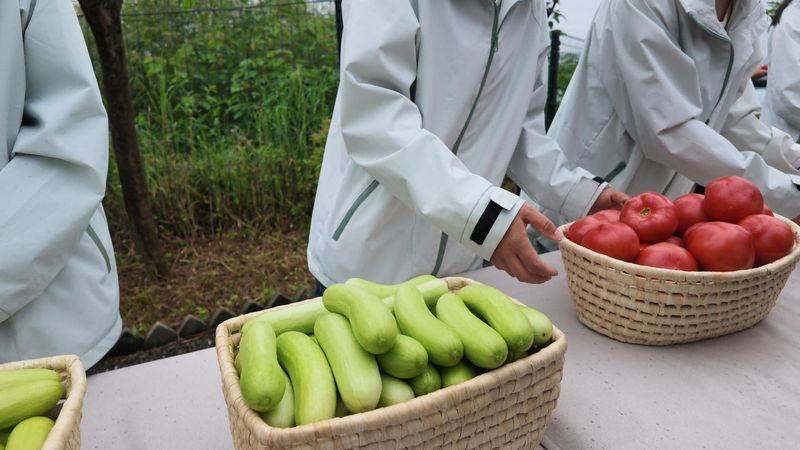
At the production level, for example, tomatoes produce about 10,000 pounds of acre. As a result of the use of shanty-boats, three plots — a two-acre-over-a-centre shed — can produce more than 20,000 pounds a year. This output efficiency, combined with higher unit prices, makes the food “quality” and “efficiency”。
Wang yifan said that the goal of the project was “to become the backbone of the rich and powerful districts”. And the starting point for all of this is just a tomato, a cucumber -- every step they take, they can afford to ask. The next time you pick up a tomato, think about the levels behind it, the invisible kung fu, the real weight of the word "assure." (li hin cheol)