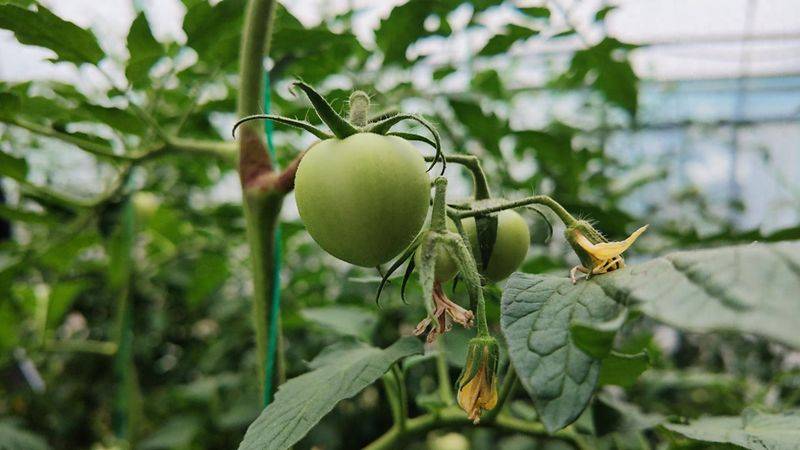
It is also an acre, with a net income of $1,200 for individual maize, and more than 3,000 for beets. This three-dimensional pattern of "sweet corn + beet" cultivation has been expanded extensively in the northern production areas of inner mongolia, heilong river and hebei, making it the most stable new path for farmers this year。
Many might ask, "does not the two species work together to rob each other of their nutrients?" will the production drop? Today we will be able to tell you about the three hard core advantages of a sweet corn set and the proven scientific set method。
1. Sweet corn set beet, with three significant advantages
Advantage one: direct increase in land use by more than 30 per cent
Sweet corn is a high-dry crop, beet is a short-dry crop, with a height of one short to form a perfect stereoculture structure, making full use of different levels of light and space. The land equivalent (ler) can be 1. 3-1. 5, or simply an acre of crop yields, up to 1. 3-1. 5 acres of monocropping。
Advantage two: natural reduction of pests and diseases and reduction of pesticide costs by 30 per cent
Two different species of crop varieties can effectively disrupt the transmission chain of pests and diseases. The incidence of major pests, such as maize troubles and beet night moths, has declined significantly, with pesticide use falling by 20-30 per cent, both financially and in line with green cultivation requirements。
Strength three: wrong harvest, zero pressure on liquidity
Sweet maize is generally available for marketing in mid-july, and beet is not harvested until late october. The money obtained after the sale of sweet corn is just enough for later management of beets, which greatly eases the financial liquidity pressure on farmers。
2. Golden stocking pattern, precision to centimetre
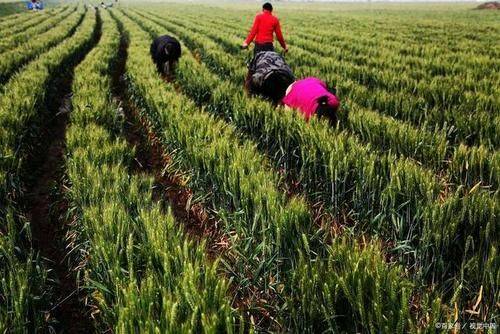
The broad and narrow pattern of "sweet corn + beet in line 4" is the most effective after three years of practice in many parts of the country, guaranteeing both crops the space to grow and completely affecting mechanization operations。
Specific specifications:
- total bandwidth 2. 4 m, sweet corn 1. 2 m, beet 1. 2 rice
- sweet corn lines 30 cm, 30 cm, 2,200-2500 plants per acre
- beet line, 30 cm, 25 cm, with 4,400-5,000 plants per acre
Seed time:
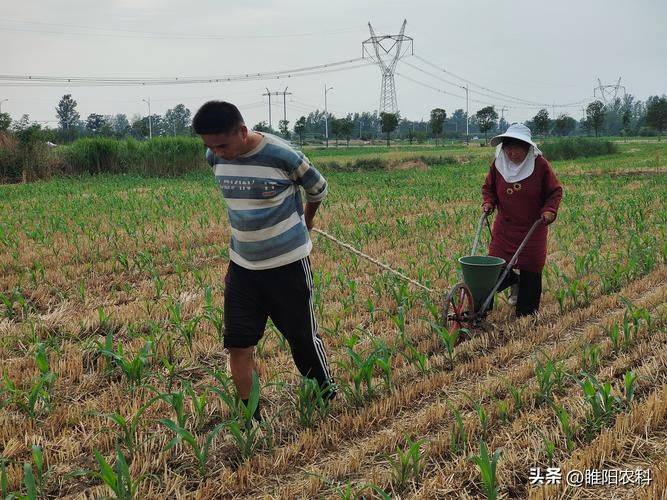
- sweet corn: planting from late march to early april, with membrane cover up to mid-march
- beets: planting with sweet corn, or 5-7 days later

3. Field management key technologies with the highest yield
Fertilizer management:
- bottom fertilizer: 3,000 kg + 45% compound + 4 kg sulfate per acre
- fertilizer: 40 pounds of urea per acre during the sweet corn horn; 30 pounds of urea + 20 pounds of potassium sulphate per acre during the expansion of beets
Water management:
- the period of male sugar corn and root expansion is the peak of water demand
- during the rainy season, pay attention to the timely drainage and prevent the rooting of beet in the field
Pest and pest control:
- corn focuses on corn distress, aphids and small-scale diseases
- beets focus on beetheads, brown spots and root rotors
- prioritize the use of biological and low-toxic pesticides and strictly observe safety intervals
4. Analysis of real economic benefits
At the latest market prices in 2026:
- sweet corn acres produce 2,500 ears, 1. 2 per ear, 3000
- 4 tons of beet acre, $530 per ton, 2120
- total income of $5120, net income of $3120 per acre, net of total cost of $2,000
The net income per acre from individual maize is only about $1,200, and the net earnings per acre from the condom model are close to $2,000, more than doubling the benefits directly。
Finally, a special reminder is that the condom model is based on the selection of compact, pre-established sweet maize varieties and highly pathogenic and productive beet varieties. It would be preferable to enter into an order contract with the sugar factory in advance and ensure that beet sales are safe。